





What's Happening?
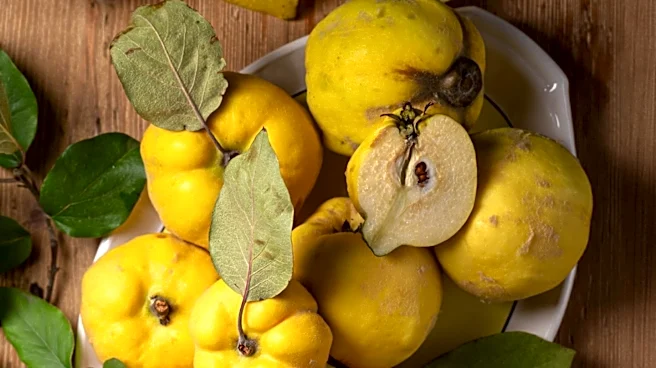
Quince, a hard, sour yellow fruit, is recognized for its culinary applications, particularly in jams, and its various health benefits. Originating from Persia, quince is rich in vitamin C, sodium, potassium, iron, zinc, copper, manganese, and fluoride.
It also contains tannins, tannic acid, pectin, and mucilage. A decoction made from quince seeds is traditionally used to soothe coughs and sore throats. The fruit's fiber content aids in digestion, while pectin helps lower cholesterol and binds toxins for detoxification. Quinces also possess antioxidant properties, which help combat free radicals. The fruit is in season from September to the end of November and can be found in markets and Turkish grocery stores, with varieties including the tart apple quince and the milder pear quince.
Why It's Important?
The recognition of quince's health benefits highlights the potential for natural remedies and dietary supplements derived from fruits. Its ability to soothe coughs and sore throats, aid digestion, lower cholesterol, and provide antioxidant support could be significant for individuals seeking alternative or complementary health solutions. For the food industry, quince offers a versatile ingredient for various products, from jams and jellies to savory dishes, potentially expanding market offerings for health-conscious consumers. The fruit's seasonal availability also supports local agriculture and specialized markets, providing economic opportunities for growers and retailers. As consumers increasingly prioritize natural and functional foods, quince could see a rise in demand, influencing agricultural practices and food product development.
What's Next?
Further research into the specific compounds responsible for quince's health benefits could lead to new pharmaceutical or nutraceutical applications. Increased consumer awareness of quince's properties may drive demand, encouraging more widespread cultivation and availability in U.S. markets. Food manufacturers might explore incorporating quince into a broader range of products, beyond traditional jams, to cater to health-conscious consumers. Educational campaigns could also be launched to inform the public about the nutritional value and culinary uses of quince, potentially boosting its popularity and integration into American diets. The seasonal nature of quince suggests that its market presence will continue to be concentrated during the autumn months, but processing techniques could extend its availability year-round.
Beyond the Headlines
The cultural significance of quince, particularly its historical association with love, happiness, fertility, wisdom, constancy, and immortality in mythology, adds a unique dimension to its appeal. This rich cultural background could be leveraged in marketing efforts, connecting consumers with a deeper narrative beyond just its nutritional value. The traditional uses of quince, such as grandmothers placing them in wardrobes to freshen laundry, illustrate its aromatic qualities and historical versatility. This blend of ancient wisdom and modern scientific validation positions quince as more than just a fruit; it's a symbol of natural wellness and cultural heritage. Its re-emergence in contemporary health and culinary discussions reflects a broader trend towards appreciating traditional foods and their holistic benefits.