



What's Happening?
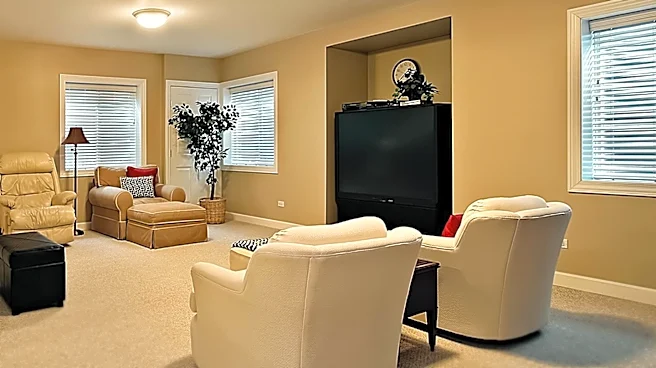
Modern basement design trends for 2026 are focusing on flexibility and layered living, moving away from single-purpose basements towards multifunctional zones. Homeowners are creating adaptable spaces where, for instance, a home office can transform into
a fitness studio or a game room can become a guest bedroom. This approach aims to maximize investment and align basements with contemporary lifestyles. Key strategies include intentional zoning using area rugs, varied lighting, and subtle flooring transitions to define different areas without permanent barriers. Multipurpose furniture, such as Murphy beds and storage ottomans, is becoming essential for maximizing flexibility in these adaptable spaces. Additionally, there's a strong emphasis on addressing practical considerations like ceiling height, egress requirements, and obtaining necessary building permits to ensure safety and compliance. Professional assessments by structural engineers or licensed contractors are recommended to identify potential issues like moisture or foundation cracks before design work begins. The trends also highlight the importance of efficient space planning, especially for smaller basements, by minimizing circulation space and utilizing vertical storage solutions.
Why It's Important?
These evolving basement design trends are significant for U.S. homeowners and the home improvement industry. For homeowners, the shift towards multifunctional basements offers increased utility and value from existing spaces, allowing properties to adapt to changing family needs without costly expansions. This can enhance property appeal and resale value, with well-executed basement finishes potentially recovering 50-70% of their cost. For the construction and interior design sectors, these trends drive demand for flexible furniture solutions, advanced lighting systems, and specialized moisture-resistant materials. Contractors and designers must adapt their offerings to provide integrated solutions that combine aesthetics with practical functionality and durability. The emphasis on code compliance and professional assessment also underscores the importance of skilled labor and adherence to building standards, potentially increasing demand for qualified professionals in these areas. Furthermore, the focus on moisture control and durable materials highlights a growing consumer awareness of long-term home maintenance and health, influencing product development and material choices in the market.
What's Next?
Looking ahead, the adoption of these basement design trends is likely to continue influencing the home renovation market. We can expect to see further innovation in multipurpose furniture and modular design elements that facilitate easy transformation of spaces. Manufacturers of building materials will likely focus on developing more aesthetically pleasing and durable moisture-resistant options suitable for basement environments. Homeowners planning renovations will increasingly prioritize professional consultations to ensure compliance with building codes and to address potential structural or moisture issues proactively. The demand for integrated smart home technologies, particularly in lighting and climate control, will also likely grow as homeowners seek to optimize the functionality and ambiance of their multifunctional basement zones. Educational resources for homeowners on basement waterproofing and proper material selection may also become more prevalent, driven by the emphasis on durability and moisture control. This trend could also lead to a greater specialization among contractors who focus specifically on basement finishing and renovation, offering comprehensive solutions from structural integrity to interior design.
Beyond the Headlines
Beyond the immediate implications, these basement design trends reflect broader societal shifts towards more efficient and adaptable living spaces. As housing costs rise and urban living becomes more common, maximizing the utility of every square foot within a home becomes crucial. Multifunctional basements represent a micro-level response to this macro-trend, allowing homeowners to create diverse environments within a single property. This also touches upon sustainability, as repurposing and optimizing existing spaces can be more environmentally friendly than new construction. Ethically, the emphasis on safety, code compliance, and professional assessment highlights a growing consumer expectation for quality and reliability in home improvements, pushing the industry towards higher standards. Culturally, the basement is evolving from a mere storage area or utility space into a fully integrated, valuable part of the home, reflecting a desire for personalized and flexible living environments that cater to a dynamic range of activities, from work and fitness to entertainment and guest accommodation.