







What's Happening?
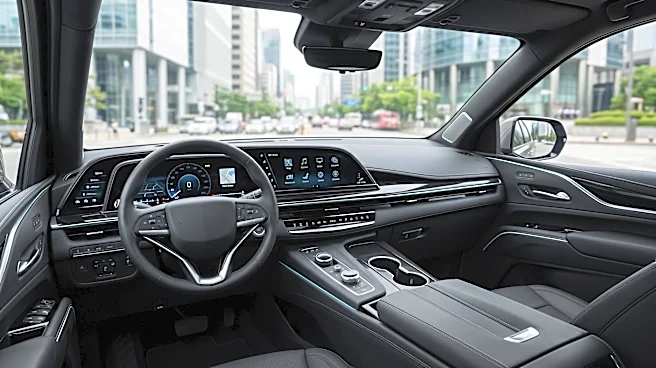
The 2026 Buick Envision is set to offer a technologically advanced and luxurious interior, emphasizing connectivity, comfort, and personalization. A key feature is an immersive 30-inch ultrawide diagonal touchscreen that spans the dashboard, providing
access to apps, navigation, and streaming services through wireless Apple CarPlay or Android Auto. This display also integrates the myBuick app for vehicle information and offers seamless Google built-in compatibility for Google Maps, Google Assistant, and Google Play, enabling hands-free operation. Furthermore, the vehicle includes customizable ambient lighting with 126 color options, allowing drivers to set the cabin's mood. Comfort features such as QuietTuning Technology with Active Noise Cancellation, all-weather heated and ventilated front seats, and a power-adjustable massaging driver's seat are also highlighted. Advanced driver assistance and safety features, including Side Cyclist Alert, Rear Pedestrian Alert, and Intersection Automatic Emergency Braking, are incorporated to enhance safety. A convenient hands-free programmable power liftgate adds to the vehicle's practicality.
Why It's Important?
The introduction of the 2026 Buick Envision with its array of advanced features signifies a strategic move by Buick to elevate the compact SUV segment, focusing on luxury, technology, and driver experience. The expansive 30-inch ultrawide display and integrated Google services reflect a broader industry trend towards more sophisticated in-car infotainment and connectivity, aiming to meet consumer demands for seamless digital integration. The emphasis on customizable ambient lighting and premium comfort features like massaging seats and active noise cancellation indicates a focus on creating a personalized and serene driving environment, which could attract a wider demographic of buyers seeking a premium experience in a compact SUV. This development is important for the automotive industry as it showcases how manufacturers are differentiating their offerings through advanced technology and enhanced user comfort, potentially setting new benchmarks for interior design and functionality in this vehicle class. For consumers, it means access to more refined and connected driving experiences, blurring the lines between personal devices and vehicle interfaces.
What's Next?
Consumers interested in the 2026 Buick Envision can anticipate test drives becoming available at dealerships like LaFontaine Buick GMC Highland. The focus will likely be on demonstrating the functionality of the 30-inch ultrawide display, the Google built-in integration, and the customizable ambient lighting to potential buyers. Dealerships will highlight the comfort features, such as the massaging seats and QuietTuning technology, to emphasize the premium driving experience. Marketing efforts will likely concentrate on the vehicle's blend of luxury, technology, and safety to attract a diverse customer base. As the vehicle becomes available, industry analysts will monitor its sales performance and consumer reception to gauge the effectiveness of Buick's strategy in the competitive compact SUV market. Future updates may include further enhancements to the infotainment system or additional customization options based on user feedback and technological advancements.
Beyond the Headlines
The 2026 Buick Envision's advanced interior features, particularly the extensive digital integration and customizable ambient lighting, point to a broader shift in automotive design philosophy. The vehicle is becoming an extension of the digital lifestyle, with seamless connectivity and personalized environments taking precedence. This trend raises questions about driver distraction and the balance between technological convenience and road safety, even with hands-free operations. The emphasis on creating a 'mood' within the cabin through lighting and comfort features suggests a psychological approach to automotive design, aiming to enhance well-being and reduce stress during commutes. This could lead to further innovations in sensory experiences within vehicles, such as integrated aromatherapy or personalized soundscapes. The integration of Google services also highlights the increasing reliance on third-party tech ecosystems within vehicles, potentially impacting data privacy and ownership of in-car experiences. This evolution transforms the car from a mere mode of transport into a personalized, mobile sanctuary.