
What's Happening?
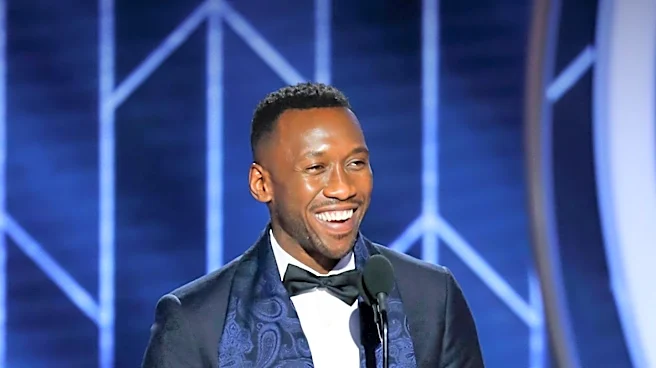
Mahershala Ali, a two-time Oscar winner, was only featured in seven episodes of Marvel's 'Luke Cage' as the villain Cornell 'Cottonmouth' Stokes due to a pre-arranged limited appearance. Showrunner Cheo
Hodari Coker confirmed that Ali's character was always intended to die in episode seven, a decision made to accommodate the actor's busy schedule. This agreement allowed Ali to simultaneously work on 'Luke Cage', 'Hidden Figures', and 'Moonlight'. The limited commitment to 'Luke Cage' ultimately freed Ali to film 'Green Book', for which he later won a Best Actor Oscar. Coker stated he honored a handshake agreement with Ali, resisting calls from other actors and Marvel TV to extend his role, which would have locked Ali into a long-term contract and potentially prevented his Oscar-winning performance in 'Green Book'. Ali's experience with another Marvel project, 'Blade', was less successful, with the film ultimately not moving forward despite his attachment and a voice cameo in 'Eternals'.
Why It's Important?
This situation highlights the intricate balance actors and production companies navigate in the competitive entertainment industry, particularly concerning scheduling and contractual obligations. For actors like Mahershala Ali, strategic career choices and the flexibility offered by production teams can significantly impact their trajectory, leading to prestigious awards and critical acclaim. For studios, honoring such agreements can foster positive relationships with talent, even if it means a shorter run for a popular character. The revelation also underscores the often-unseen factors that shape television narratives, where an actor's availability can dictate plot developments, including the demise of key characters. This instance serves as a case study in how an actor's limited commitment to one project can serendipitously open doors to more significant opportunities, ultimately benefiting their career and potentially leading to higher-profile roles and accolades.
What's Next?
While Mahershala Ali has moved on from the 'Blade' project, his career continues to evolve with new roles. He is set to appear in the second season of HBO's 'Task' as a Philadelphia DEA agent, indicating his continued presence in high-profile television productions. This new role suggests a shift towards different types of characters and potentially longer commitments, contrasting with his 'Luke Cage' experience. The entertainment industry will likely continue to see actors balance multiple projects, and the lessons learned from Ali's career path may influence how future contracts are structured, particularly for in-demand talent. The success of 'Green Book' following his 'Luke Cage' departure could encourage other actors to seek similar flexible arrangements, prioritizing diverse and impactful roles over lengthy, exclusive contracts.
Beyond the Headlines
The narrative surrounding Mahershala Ali's 'Luke Cage' departure and subsequent Oscar win for 'Green Book' delves into the broader discussion of artistic integrity versus commercial demands in Hollywood. Coker's decision to honor his word to Ali, despite pressure to retain a popular character, speaks to a professional ethos that values talent and personal agreements. This approach, while potentially risky for a TV series, ultimately allowed Ali to achieve a significant career milestone, reinforcing his status as a highly respected actor. It also subtly critiques the often-rigid contractual structures in major franchises like Marvel, suggesting that flexibility can sometimes lead to greater artistic and critical success for individuals involved. The 'Blade' project's failure to launch, despite Ali's involvement, further illustrates the unpredictable nature of film development, even for established stars, and the importance of an actor's ability to pivot and pursue other opportunities.