



What's Happening?
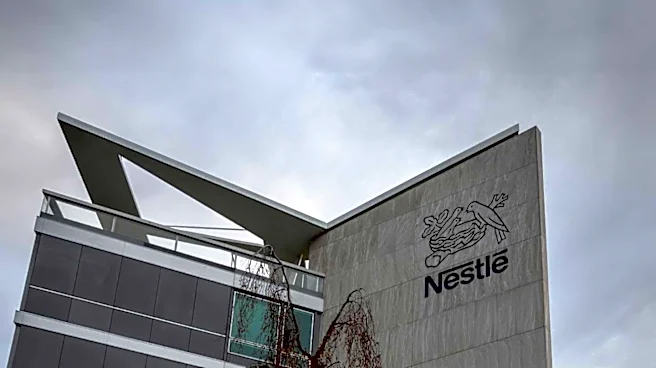
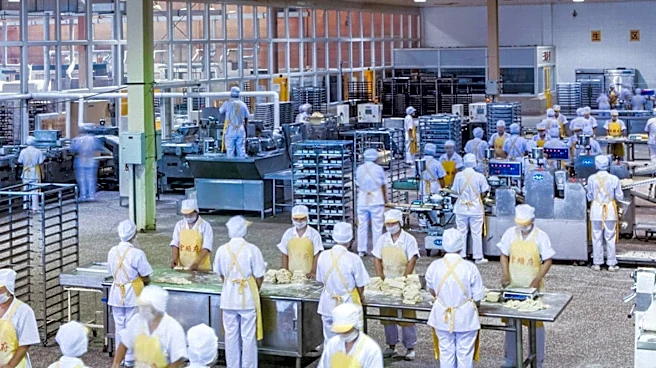
Nestlé has announced the closure of its historic chocolate factory in Diósgyőr, Hungary, by the end of 2026. This facility, which has been operating for over 60 years, is known for producing seasonal chocolate figures such as Santa Clauses and Easter
bunnies. The decision will affect 250 employees. The production of these seasonal chocolate figures will be transferred to an independent factory in Olomouc, Czech Republic, as part of Nestlé's strategy to optimize logistics and modernize processes in Central Europe. The company cited physical limitations at the Diósgyőr site for expansion and technological modernization as key reasons for the closure, making further investments in productive capacity unfeasible. Nestlé has stated that the traditional festive chocolate figures will continue to be available in European and international markets, manufactured from the new location.
Why It's Important?
The closure of Nestlé's Diósgyőr factory highlights a broader trend of corporate restructuring and optimization within the global food industry. While this specific closure is in Hungary, it reflects how multinational corporations evaluate their manufacturing footprints based on efficiency, technological capabilities, and market demands. For the U.S. market, such strategic shifts by major players like Nestlé can influence supply chains, product availability, and potentially pricing for imported seasonal confectionery. Although the immediate impact is local to Hungary, the underlying drivers—such as the need for modern infrastructure and optimized production—are universal and could foreshadow similar decisions by other companies with older facilities, potentially affecting U.S. consumers and the competitive landscape of the confectionery market. The move also underscores the continuous pressure on companies to adapt to evolving industrial standards and cost efficiencies.
What's Next?
Nestlé plans to implement a comprehensive support package for the 250 affected employees at the Diósgyőr factory. This includes a voluntary redundancy and severance plan offering financial compensation exceeding legal requirements. Additionally, the company will provide a career transition and outplacement support program to assist employees in finding new opportunities in the regional market until the factory's final closure at the end of 2026. Nestlé will also offer internal redeployment opportunities at other Hungarian facilities, such as its pet food factory in Bük. The transfer of seasonal chocolate figure production to the Olomouc plant is expected to be completed by the upcoming festive seasons, ensuring continuity of supply for consumers. This transition period will allow Nestlé to consolidate its molding and packaging technologies in a more equipped industrial hub.
Beyond the Headlines
The closure of the Diósgyőr factory, despite being a strategic business decision for Nestlé, carries significant social and cultural implications for the local community. A factory that has operated for over six decades often becomes an integral part of a town's identity and economy, providing stable employment and contributing to local heritage. The loss of 250 jobs, even with severance and support programs, can have a ripple effect on local businesses and families, potentially leading to economic downturns in the immediate area. This situation underscores the tension between global corporate efficiency goals and local community well-being. It also raises questions about the long-term sustainability of traditional manufacturing sites in an era of rapid technological advancement and consolidation, prompting discussions on how governments and corporations can better manage such transitions to mitigate adverse social impacts.