



What's Happening?
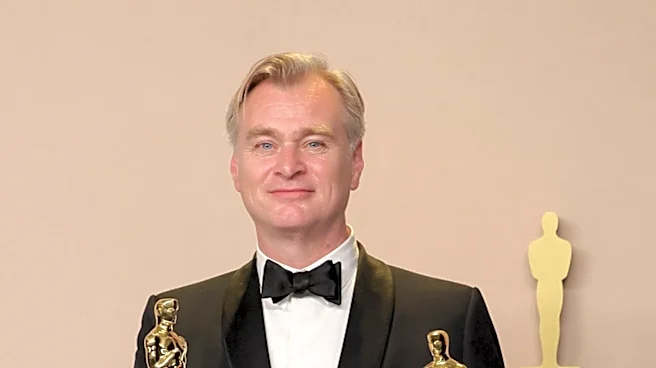
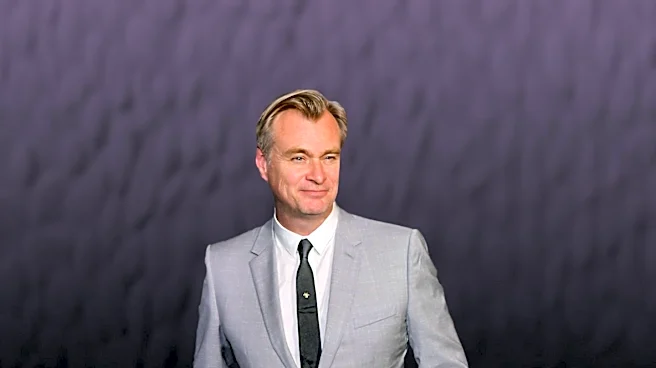
Christopher Nolan's film adaptation of 'The Odyssey' has sparked significant discourse regarding its interpretation of the classic text. Critics have noted the film's focus on Odysseus' personal journey, with some arguing that it oversimplifies the original's
complexities. The adaptation has been criticized for its thematic choices, such as emphasizing Odysseus' feelings over broader narratives. The film's portrayal of characters and events has been seen as a reflection of Nolan's own preoccupations, with some suggesting it lacks the depth of the original epic. The film's success, however, indicates a strong audience interest in reimagined classics.
Why It's Important?
The debate surrounding 'The Odyssey' highlights the challenges filmmakers face when adapting revered literary works. Nolan's interpretation has reignited discussions about fidelity to source material and the balance between creative license and respect for the original text. This discourse is crucial as it reflects broader cultural conversations about how classic stories are retold in modern contexts. The film's reception also underscores the influence of directors like Nolan in shaping public perceptions of literary classics, potentially affecting how these stories are taught and understood in contemporary society.
Beyond the Headlines
Beyond the immediate reactions, 'The Odyssey' raises questions about the role of adaptations in preserving or altering cultural heritage. The film's focus on individualism and personal struggle may resonate with modern audiences but could also shift the narrative away from communal and societal themes present in the original. This adaptation serves as a case study in how modern storytelling techniques can both illuminate and obscure the intentions of ancient texts. As adaptations continue to be a popular form of storytelling, the ethical considerations of altering foundational narratives will remain a pertinent issue.