
What's Happening?
IREN, a prominent data center and Bitcoin mining company, is experiencing delays in its $9.7 billion artificial intelligence project. The company attributes these setbacks to networking changes requested
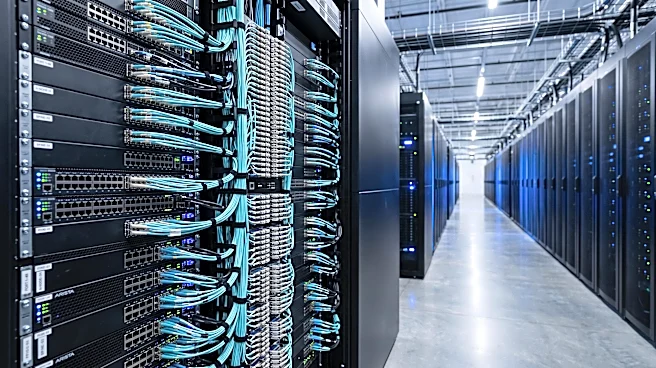
by Microsoft, a major customer. This situation highlights the complex challenges in building large-scale AI infrastructure, which requires advanced processors, high-speed networking, and substantial electricity. Microsoft's investments in AI infrastructure necessitate customized facilities, and modifications to networking specifications can significantly impact installation, system integration, and overall construction timelines. The delays underscore the difficulty developers face in balancing construction speed with stringent technical requirements, reliability, and long-term operational performance in the rapidly expanding AI infrastructure market.
Why It's Important?
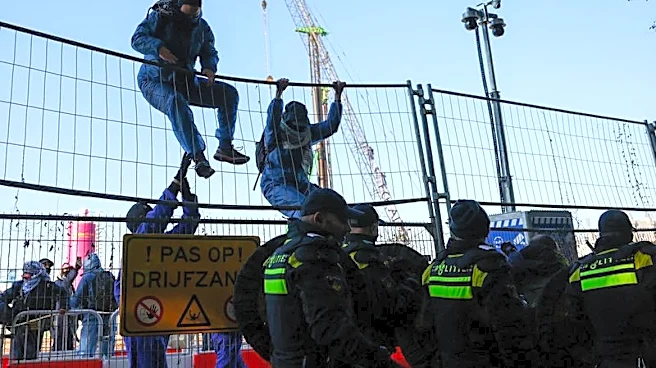
This development is highly significant for the U.S. business and technology sectors. The delays in IREN's project, driven by customer-specific technical demands and broader political considerations, illustrate the growing complexities in scaling AI infrastructure. The U.S. is a global leader in AI development, and the ability to build and operate these massive data centers efficiently is crucial for maintaining technological competitiveness. The political discussions surrounding data centers—concerning electricity consumption, water usage, land use, and potential impacts on utility bills—create regulatory hurdles and public opposition. These factors can increase costs and slow down project approvals, affecting the pace of AI innovation and the profitability of companies like IREN and their partners, including major tech players like Microsoft.
What's Next?
The AI infrastructure boom will continue to face challenges beyond financial investment, requiring technical coordination, reliable energy, and supportive government policies. Companies like IREN must navigate complex investment environments, balancing customer technical requirements with regulatory expectations and construction expenses. The ongoing political debate, particularly concerning environmental impact and resource consumption, will likely lead to increased scrutiny and potentially new regulations for data center development. Companies capable of effectively managing these technical, environmental, and political obstacles will be better positioned to capitalize on the next phase of artificial intelligence expansion in the U.S.
Beyond the Headlines
The IREN project's delays reveal deeper implications for the U.S. economy and society. The immense demand for computing power for AI is creating a new form of infrastructure race, akin to past industrial revolutions, but with unique environmental and social considerations. The tension between rapid technological advancement and sustainable development is becoming increasingly apparent. This situation could lead to innovative solutions in energy efficiency and renewable energy integration for data centers, or it could exacerbate existing resource strains. Furthermore, the political dimension highlights the need for a comprehensive national strategy for AI infrastructure, addressing not only technological needs but also community concerns and environmental stewardship to ensure equitable and sustainable growth.