









What's Happening?
The U.S. dollar experienced a decline on Thursday as traders anticipated the release of U.S. payroll data, which could influence expectations of a Federal Reserve interest rate hike. The data, scheduled for release due to the Independence Day holiday,
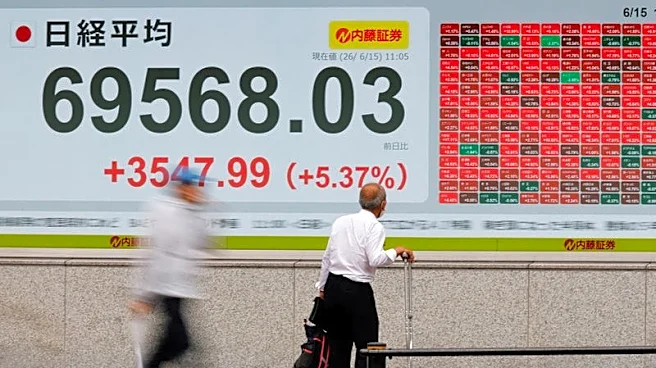
is expected to show a rise of 110,000 jobs for June, although forecasts vary widely. The jobless rate is projected to remain steady at 4.3%. The yen gained strength against the dollar, prompting speculation about potential intervention by Japanese authorities to support their currency. Meanwhile, chipmaker stocks struggled following a significant surge in the previous quarter, with South Korea's KOSPI index dropping sharply due to profit-taking and concerns over competition from Chinese memory makers.
Why It's Important?
The outcome of the U.S. payroll data is crucial as it could either reinforce or challenge market expectations of a Federal Reserve rate hike. A strong jobs report might lead to higher U.S. yields and a stronger dollar, while a weaker report could dampen these expectations. The yen's movement and potential intervention by Japanese authorities highlight the global impact of U.S. economic data. Additionally, the decline in chipmaker stocks reflects broader market volatility and the influence of geopolitical factors, such as competition from Chinese manufacturers, on global tech markets. These developments have significant implications for investors and policymakers monitoring economic trends.
What's Next?
Market participants will closely watch the U.S. payroll data release for indications of future Federal Reserve policy actions. A strong report could solidify expectations of a rate hike, while a weaker report might lead to a reassessment of monetary policy. In Japan, any intervention to support the yen will be scrutinized for its effectiveness and impact on currency markets. The tech sector, particularly chipmakers, may continue to experience volatility as investors adjust their positions and respond to competitive pressures from China. These dynamics will likely influence global financial markets in the coming weeks.