





What's Happening?
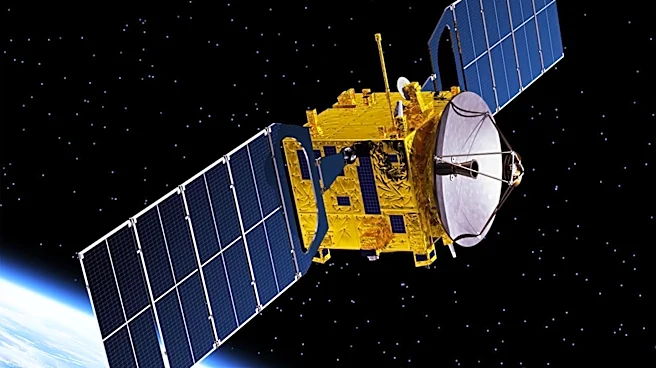
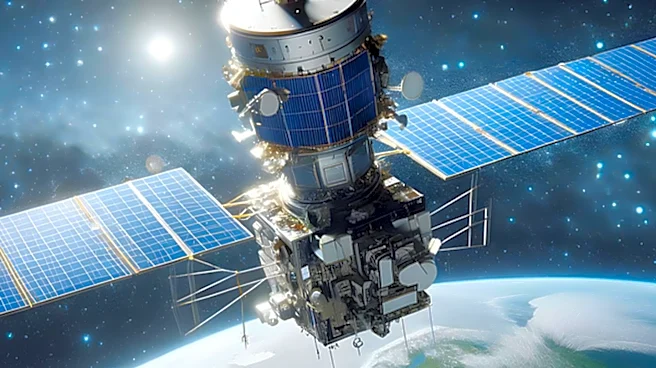
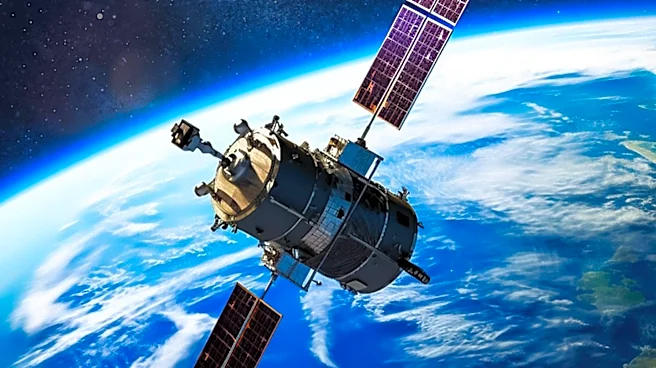
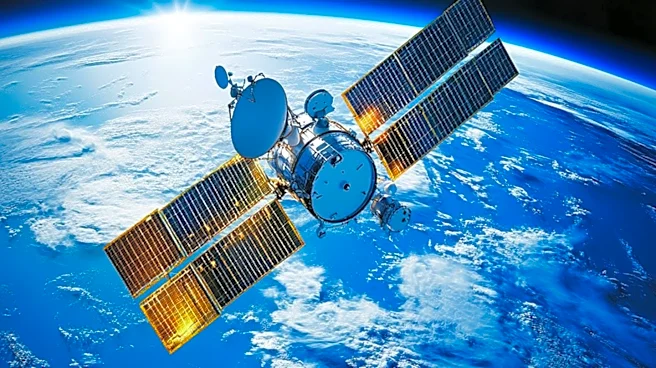
Amazon's Leo has proposed a satellite constellation of up to 5,105 satellites to provide direct-to-device voice and data connectivity. This initiative aims to offer services in areas beyond the reach of terrestrial cellular networks, with satellite deployment
expected to begin in 2028. Amazon has filed an application with the US Federal Communications Commission (FCC) for approval. The service will partner with mobile network operators globally and utilize the mobile satellite spectrum of Globalstar, which Amazon agreed to acquire earlier this year. This move expands Amazon's satellite ambitions beyond broadband Internet and intensifies competition with companies like SpaceX, AST SpaceMobile, and Lynk Global, which are also developing similar services.
Why It's Important?
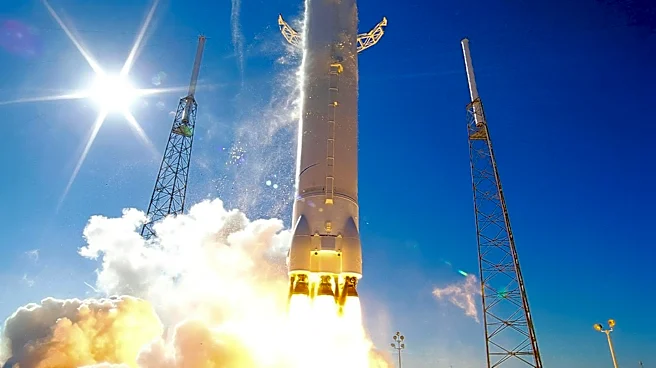
Amazon's entry into the direct-to-device satellite connectivity market represents a significant expansion of its satellite ambitions and could reshape the telecommunications landscape. By providing connectivity in remote areas, Amazon's initiative could bridge the digital divide and enhance communication capabilities globally. This development also intensifies competition in the satellite-to-phone market, potentially driving innovation and reducing costs for consumers. However, the growing demand for rocket launch capacity poses a challenge to deploying these next-generation satellite constellations. The success of Amazon's plan could have far-reaching implications for global connectivity, emergency services, and the telecommunications industry.