






What's Happening?
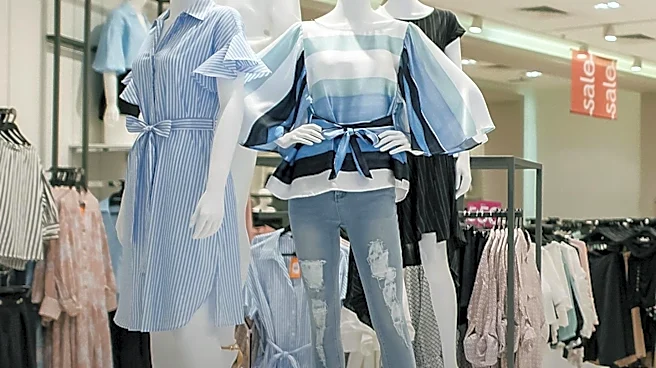
Zara, owned by Inditex, the world's largest fashion company by revenue, is facing ethical concerns regarding its recent collections that incorporate traditional Chinese wear. Critics highlight a problematic juxtaposition between the use of Chinese motifs
and the 'Made in China' label, which has become associated with cheaply made goods, sweatshops, and worker exploitation. While half of Zara's garment production occurs in Europe, the remainder is outsourced to countries including China, Bangladesh, Pakistan, Vietnam, India, Cambodia, Brazil, and Argentina. Inditex has previously faced accusations of profiting from forced labor in China's Xinjiang region, where Uyghur Muslims are allegedly compelled into agricultural labor for cotton production. The company maintains over 400 suppliers in China, employing over 400,000 individuals. These issues bring to light the complexities of fast fashion's supply chain and its ethical implications.
Why It's Important?
This situation is important as it underscores the ongoing ethical challenges within the global fast fashion industry, particularly concerning labor practices and cultural appropriation. For U.S. consumers, it raises questions about the origins of their clothing and the human cost behind affordable fashion. The controversy could influence consumer purchasing decisions, potentially leading to increased demand for ethically sourced and transparent supply chains. For businesses in the fashion sector, Zara's scrutiny serves as a reminder of the growing pressure from consumers and advocacy groups to ensure fair labor practices and avoid complicity in human rights abuses. It also highlights the delicate balance between cultural inspiration and exploitation, prompting a re-evaluation of how brands engage with diverse cultural aesthetics.
What's Next?
In response to growing ethical concerns, Zara and its parent company, Inditex, may face increased pressure from consumers, human rights organizations, and potentially regulatory bodies to enhance transparency in their supply chains and implement more stringent ethical sourcing policies. This could involve independent audits of their supplier factories, particularly in regions like Xinjiang, and a public commitment to eradicating forced labor. There might also be a shift in their design philosophy to ensure cultural appreciation rather than appropriation, potentially through collaborations with designers from the cultures they draw inspiration from. Consumers, particularly in the U.S., are likely to become more discerning, favoring brands that demonstrate clear ethical commitments, which could lead to a broader industry trend towards more sustainable and ethical fashion practices.
Beyond the Headlines
Beyond the immediate concerns, this situation reflects a broader societal reckoning with globalization, consumerism, and corporate responsibility. The 'Made in China' label has evolved from a simple indicator of origin to a symbol laden with ethical implications, prompting consumers to consider the social and environmental impact of their purchases. This development could accelerate the movement towards 'slow fashion' and conscious consumption, where quality, ethical production, and sustainability are prioritized over rapid trend cycles and low prices. Furthermore, it highlights the complex interplay between economic interests, cultural exchange, and human rights, challenging the fashion industry to redefine its role in a globally interconnected yet ethically sensitive world. The debate also touches upon the evolving understanding of 'political correctness' and cultural sensitivity in commercial contexts.