





What's Happening?
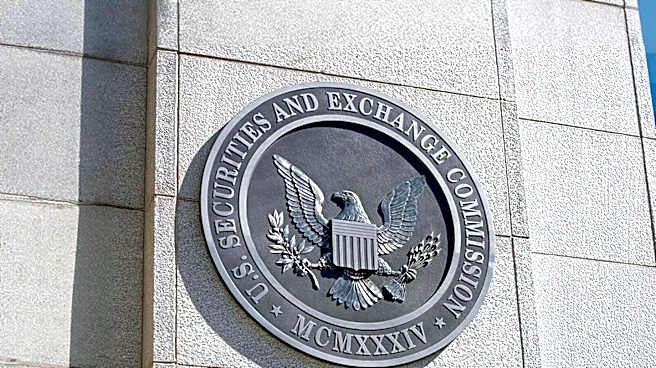
In April 2010, the Securities and Exchange Commission (SEC) was embroiled in a scandal when its Office of Inspector General revealed that 33 employees and contractors were found viewing pornography on government computers during work hours. This misconduct
involved senior staff and led to significant media and congressional scrutiny. Representative Darrell Issa criticized the SEC, suggesting that officials were neglecting their duties during a critical economic period. The scandal prompted an internal response, with the SEC increasing its enforcement actions, particularly in offices implicated in the scandal. These offices, including those in Washington, D.C., and six regional offices, saw a surge in investigations and enforcement actions, although these efforts were short-lived.
Why It's Important?
The scandal highlights the importance of maintaining ethical standards within regulatory bodies like the SEC, which are crucial for ensuring market stability and investor confidence. The SEC's response to the scandal, including increased enforcement actions, underscores the agency's need to repair its reputation and demonstrate accountability. This incident also raises concerns about the potential impact of internal misconduct on the agency's ability to perform its regulatory duties effectively. The increased enforcement actions, while addressing reputational damage, also had significant implications for the firms involved, as SEC investigations can lead to substantial financial consequences.
What's Next?
The SEC's response to the scandal suggests a need for ongoing internal reforms to prevent similar incidents in the future. This may include strengthening ethics codes and training programs to safeguard the agency's reputation and ensure consistent enforcement practices. The incident also serves as a reminder for other regulatory bodies to maintain high ethical standards to avoid similar reputational damage. The SEC's actions following the scandal may lead to increased oversight and scrutiny from Congress and other stakeholders to ensure accountability and transparency in its operations.