






What's Happening?
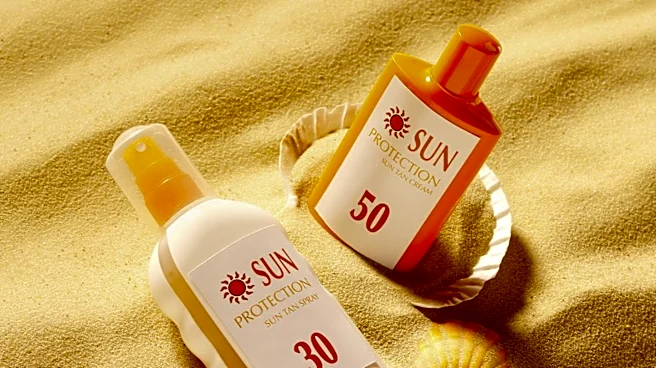
Naked Sundays has launched its SPF50 Clear Glow Sun Stick, a multi-purpose sunscreen designed for seamless and invisible application. This new product is formulated to absorb into the skin without leaving any visible residue. The company emphasizes its role
in preventing sunburn and, when used as directed with other sun protection measures, decreasing the risk of skin cancer and early skin aging caused by sun exposure. The product is intended for external use only, with warnings against use on damaged or broken skin and advice to keep it out of eyes. Users are instructed to apply generously and evenly 20 minutes before sun exposure and to reapply at least every two hours, or more frequently if swimming or sweating. The sun stick is part of a broader recommendation for sun protection, which includes limiting sun exposure during peak hours (10 a.m. - 2 p.m.) and wearing protective clothing like long-sleeved shirts, pants, hats, and sunglasses. It is also advised that children under six months consult a doctor before use.
Why It's Important?
The introduction of products like the SPF50 Clear Glow Sun Stick is significant for public health in the U.S., particularly in promoting consistent sun protection. Skin cancer, including melanoma, remains a prevalent health concern, and accessible, user-friendly sunscreen options can encourage broader adoption of preventative measures. The 'invisible' and 'seamless' application features address common consumer complaints about traditional sunscreens, such as white cast or greasy feel, which often deter regular use. By making sun protection more convenient and aesthetically pleasing, Naked Sundays contributes to efforts to reduce UV-related skin damage. This product also highlights a growing trend in the beauty and skincare industry towards integrating high-SPF protection with cosmetic appeal, potentially expanding the market for daily sunscreen use beyond traditional beach or outdoor activity contexts. The emphasis on broad-spectrum protection and reapplication reinforces critical public health messages about effective sun safety.
What's Next?
The market will likely see continued innovation in sunscreen formulations, with a focus on enhanced user experience, broader spectrum protection, and integration with daily skincare routines. Consumers can expect more products that offer invisible finishes, diverse application methods (like sticks), and added skincare benefits. Regulatory bodies may continue to evaluate and update guidelines for sunscreen efficacy and labeling, potentially influencing product development and marketing claims. Brands will likely engage in educational campaigns to inform consumers about the importance of consistent and correct sunscreen application, moving beyond seasonal use to year-round protection. The success of products like the Clear Glow Sun Stick could also spur competitors to develop similar offerings, leading to a more competitive market with a wider array of convenient sun protection solutions. Furthermore, there may be increased scrutiny on the environmental impact of sunscreen ingredients, particularly concerning aquatic ecosystems, driving research into reef-safe alternatives.
Beyond the Headlines
The rise of 'invisible' and 'seamless' sunscreen products like the SPF50 Clear Glow Sun Stick reflects a deeper cultural shift in how sun protection is perceived and integrated into daily life. Historically, sunscreen was often associated with recreational outdoor activities, but there's a growing understanding of the need for daily, year-round protection against UV radiation, even during incidental exposure. This product caters to a modern consumer who values both efficacy and convenience, seeking skincare solutions that fit effortlessly into their routine without compromising on appearance. The emphasis on preventing skin cancer and premature aging also taps into broader health and wellness trends, where proactive self-care and preventative measures are increasingly prioritized. This product's design implicitly encourages a more consistent and less burdensome approach to sun safety, potentially fostering long-term behavioral changes that could have significant public health benefits in reducing the incidence of sun-related skin conditions. It also underscores the evolving intersection of cosmetics, health, and technology in product development.