




What's Happening?
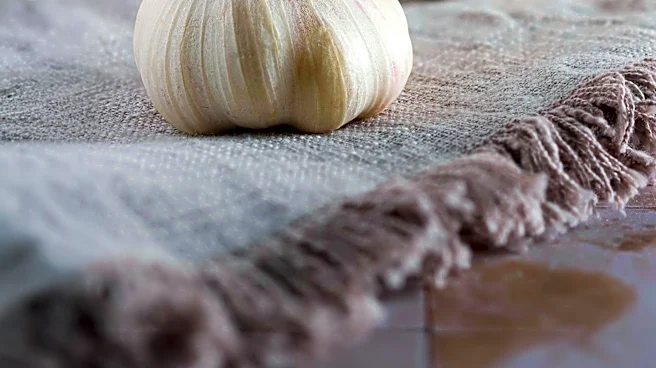
Garlic, a global cooking staple and ancient medicinal aid, is gaining recognition as a superfood, but its health benefits are highly dependent on how it is prepared and consumed. Decades of scientific research now support the long-held belief that garlic
is packed with nutrients and bioactive compounds. It is rich in vitamins C and B6, and minerals such as manganese, selenium, copper, and calcium. More importantly, garlic contains approximately 200 bioactive compounds that offer protective health effects even in small servings. Food scientist Bryan Quoc Le notes that inulin and polyphenols in garlic are beneficial for the gut microbiome, as good bacteria can break them down into byproducts that combat inflammatory material. The key compound, alliin, converts into allicin when garlic is manually manipulated (crushed, chopped, or minced) by the enzyme alliinase. Allicin is responsible for garlic's antioxidant, antimicrobial, and antiviral properties.
Why It's Important?
This research is important for American consumers and the food industry as it provides clear guidance on maximizing the health benefits of a commonly used ingredient. Understanding that proper preparation is crucial for garlic to achieve its 'superfood' status can influence cooking practices in homes and restaurants. For individuals seeking natural ways to boost their health, this information empowers them to make informed choices about how they incorporate garlic into their diet. The emphasis on allicin's antioxidant, antimicrobial, and antiviral effects highlights garlic's potential role in supporting immune function and overall well-being, which is particularly relevant in an era of increasing health consciousness. Furthermore, the findings could encourage food manufacturers to explore new ways of processing garlic to preserve or enhance these beneficial compounds, potentially leading to new health-focused products.
What's Next?
Consumers are advised to crush, chop, or mince garlic and allow it to sit for a few minutes before cooking to maximize the formation of allicin. This simple step can significantly enhance its health-promoting properties. Future research may focus on developing optimal preparation techniques and storage methods to retain garlic's beneficial compounds. There could also be an increased interest in garlic-derived supplements that ensure the stability and bioavailability of allicin. The food industry might explore incorporating properly prepared garlic into functional foods or health products, leveraging its scientifically backed benefits. Additionally, public health campaigns could educate the public on these preparation methods to help more people harness garlic's full potential as a superfood.
Beyond the Headlines
The revelation that preparation methods dictate garlic's superfood efficacy points to a broader principle in nutrition: the bioavailability and bioactivity of compounds in food are not always inherent but can be influenced by human intervention. This understanding challenges the simplistic view of 'superfoods' as universally beneficial regardless of context. It underscores the intricate relationship between food science, culinary practices, and human health. Ethically, this knowledge places a responsibility on food educators and health professionals to communicate these nuances effectively, preventing misinformation or oversimplification. Culturally, it reinforces the wisdom embedded in traditional cooking methods that often involve specific preparation steps for ingredients, suggesting that ancient practices may hold scientific truths yet to be fully understood by modern science.