





What's Happening?
Current trends in studio apartment design emphasize practical and reversible solutions, particularly for renters. The focus is on optimizing small living spaces through clever storage, flexible layouts, and strategic use of furniture. Key recommendations
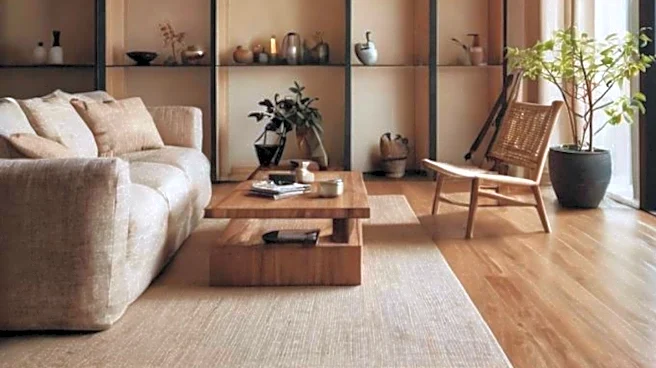
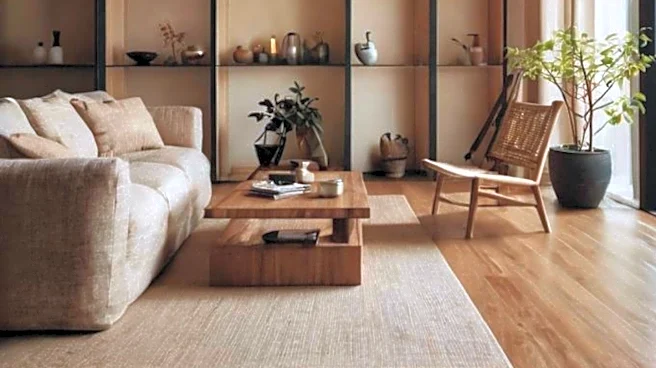
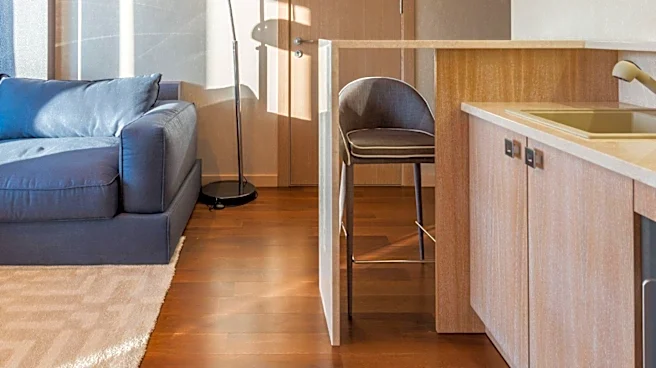
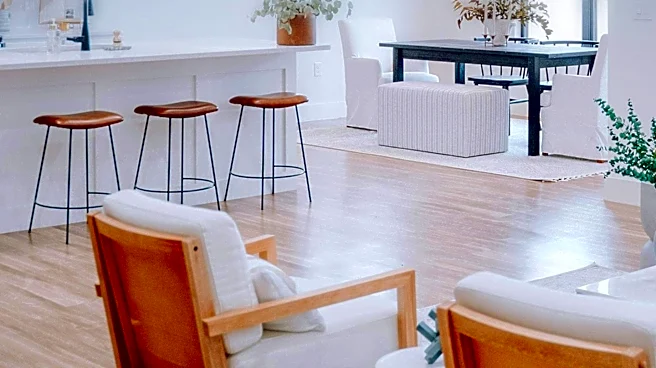
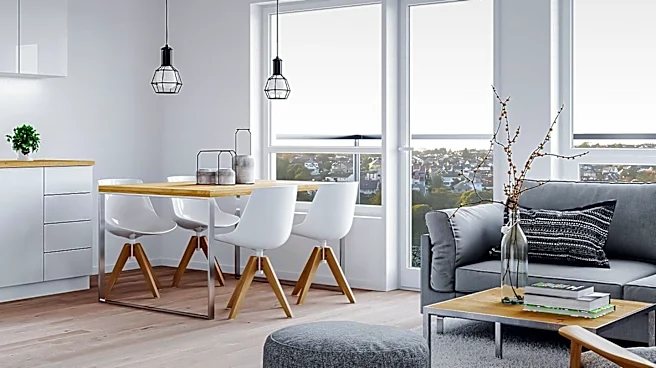
include mapping out the room before moving furniture to ensure optimal flow and placement, defining living areas with movable rugs, and incorporating plug-in lighting to create distinct moods without permanent fixtures. For apartments lacking closets, designers suggest counting hanging items before purchasing storage solutions and assigning specific homes for different types of items, such as using dressers for folded clothes near the bed and dedicated racks for hang-only garments. High shelves are recommended for rarely used accessories, ensuring daily essentials remain easily accessible. Modern studio designs often feature clean, functional open layouts with contemporary finishes and ample natural light, aiming to create comfortable and efficient living environments.
Why It's Important?
The emphasis on practical and reversible studio apartment design is crucial for the growing demographic of renters in urban areas, where studio apartments are common and space is at a premium. These design strategies empower tenants to personalize and optimize their living spaces without violating lease agreements or incurring significant costs for permanent alterations. By providing solutions for common challenges like limited storage and undefined living zones, these ideas enhance the quality of life for residents, making small spaces more functional and aesthetically pleasing. This approach also benefits the rental market by making studio units more attractive and livable, potentially reducing tenant turnover and increasing satisfaction. The focus on efficient space utilization can also influence furniture manufacturers and retailers to produce more versatile and compact pieces tailored to the needs of studio apartment dwellers, fostering innovation in the home furnishings industry.
What's Next?
As urban populations continue to grow and housing affordability remains a concern, the demand for efficient and adaptable studio apartment designs is likely to increase. We can anticipate further innovations in modular furniture, multi-functional pieces, and smart home technologies that cater specifically to small living spaces. Interior designers and architects may increasingly specialize in compact living solutions, offering bespoke services for studio apartment dwellers. Retailers are expected to expand their offerings of renter-friendly decor, such as peel-and-stick wall decals and lightweight, easily movable furnishings. Additionally, property developers might incorporate these design principles into new studio apartment constructions, offering built-in flexible storage and adaptable layouts to attract tenants. Educational resources and online platforms dedicated to small-space living are also likely to proliferate, providing more accessible design advice and product recommendations for individuals navigating studio apartment living.
Beyond the Headlines
The trend towards highly functional and adaptable studio apartment design reflects broader societal shifts, including increased urbanization, a growing preference for minimalist lifestyles, and economic pressures that make larger living spaces less accessible. This design philosophy encourages a more thoughtful approach to consumption, promoting the selection of versatile and durable items rather than disposable decor. It also highlights the psychological impact of living in small spaces, emphasizing the importance of organization and clear spatial definition for mental well-being. Ethically, these designs promote sustainability by encouraging efficient use of resources and reducing the need for frequent renovations or large-scale furniture purchases. Culturally, the embrace of compact living challenges traditional notions of spaciousness as a marker of success, instead valuing efficiency, adaptability, and intentional living. This movement could lead to a re-evaluation of urban planning and housing development, prioritizing density and smart design over sprawling, resource-intensive constructions.