





What's Happening?
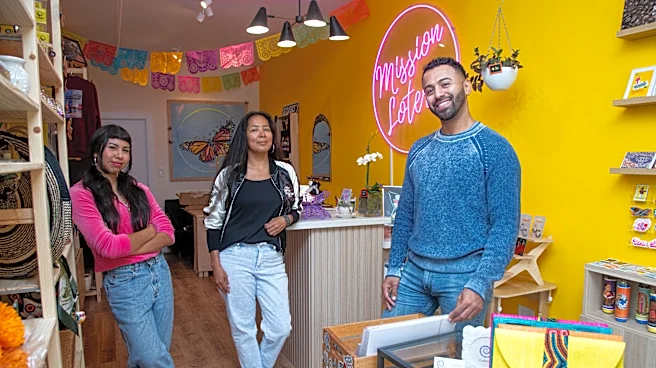
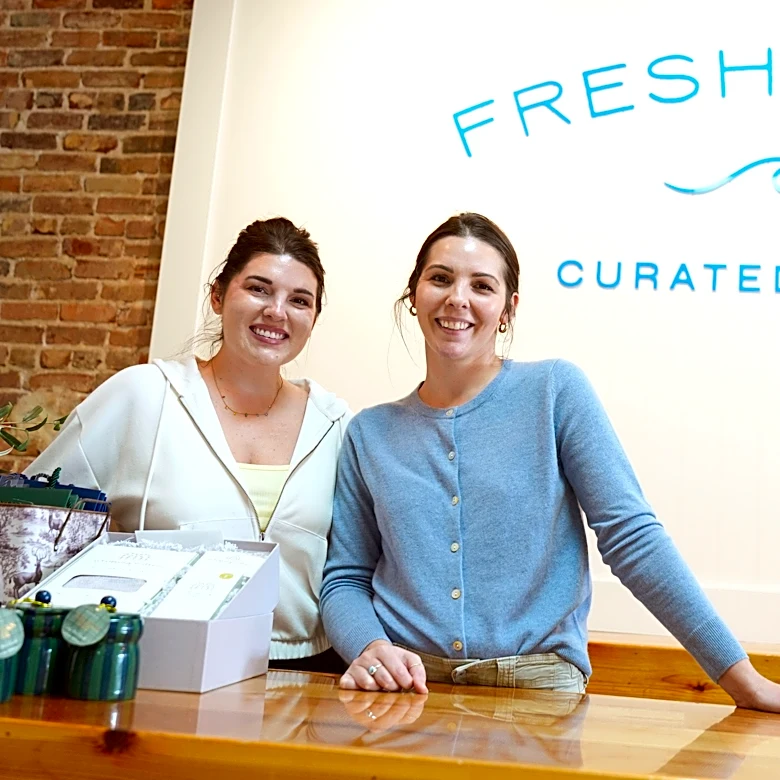
Latino nonprofits across the U.S. are establishing brick-and-mortar storefronts to directly support and champion Latino entrepreneurs, providing them with retail space, resources, and community. Mission Lotería in San Francisco's Mission District, after
seven years of promoting local businesses, has opened a physical store to sell goods from Latino artists and entrepreneurs. Similarly, Amor Collective, founded by Stephanie Vasquez in Phoenix, has relocated to a bustling downtown area to offer an incubator space for Latina business owners. Vasquez, who also established Empowering Latina Leaders in Arizona (ELLA) a decade ago, created Amor Collective to address the underpayment of Latinas, who earn 79% of what their white counterparts make. These initiatives provide not only shelf space but also advice, educational opportunities, and networking, aiming to mitigate risks for entrepreneurs and connect them with a broader audience. Cities and chambers of commerce are also recognizing this trend, with some offering grants and launching initiatives like the Latino Initiative for Development of Entrepreneurship and Resources (LIDER) in North Central Massachusetts.
Why It's Important?
This movement is crucial for addressing economic disparities and fostering entrepreneurship within the Latino community, which faces unique challenges including rising costs and fears related to immigration crackdowns. By creating dedicated spaces, these nonprofits are directly combating the access gap that Latino businesses often encounter, providing vital infrastructure for growth. The initiatives also highlight the significant economic potential of Latino businesses, which are starting at three times the rate of the general population. Empowering Latina entrepreneurs, in particular, helps to close the wage gap and promote economic independence for a demographic that has historically been underpaid. Furthermore, these storefronts serve as cultural hubs, reinforcing community pride and providing safe, welcoming spaces for Latino individuals, regardless of their immigration status, to connect and thrive economically.
What's Next?
These nonprofit-led storefronts plan to expand their roles beyond retail spaces, aiming to become thriving community hubs. Amor Collective, for instance, intends to host craft classes, DJ events, and serve as a versatile venue for community needs. Mission Lotería plans to create digital content, including social media features, YouTube videos, and a podcast, to share the stories and journeys of the entrepreneurs they support. The continued success of these models may encourage more cities and philanthropic organizations to invest in similar initiatives, recognizing the economic and social benefits. There is also potential for increased collaboration between these storefronts and local government programs, such as storefront opportunity grants, to further bolster their impact and reach. The focus will likely remain on providing comprehensive support, including business education, networking, and cultural affirmation, to ensure the long-term success of Latino entrepreneurs.
Beyond the Headlines
The emergence of these Latino-focused business incubators and retail spaces reflects a broader trend of community-led economic development. In the face of systemic barriers, communities are taking proactive steps to create their own support systems, leveraging cultural identity as a strength. This approach not only fosters economic growth but also strengthens social cohesion and cultural preservation. The emphasis on supporting Latina entrepreneurs specifically addresses intersectional inequalities, recognizing that women of color often face compounded disadvantages in the business world. These initiatives challenge traditional notions of philanthropy by directly engaging in commerce and creating sustainable models for community upliftment. They also underscore the power of collective action and cultural solidarity in building economic resilience and self-determination within marginalized communities.