









What's Happening?
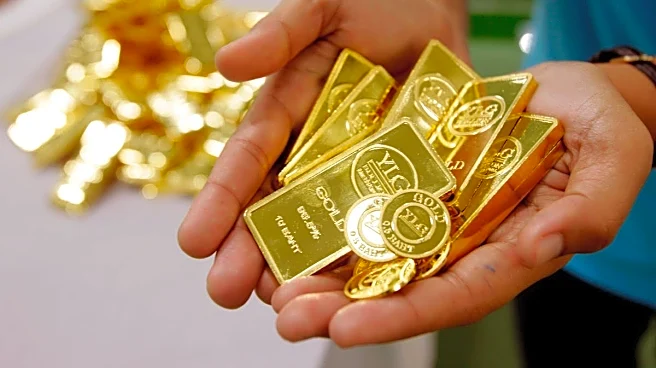
The Federal Reserve's recent hawkish pivot has significantly prolonged the pause in the structural price rally of gold, according to Gregory Shearer, head of Base and Precious Metals Strategy at J.P. Morgan. This development comes as the Fed's stance
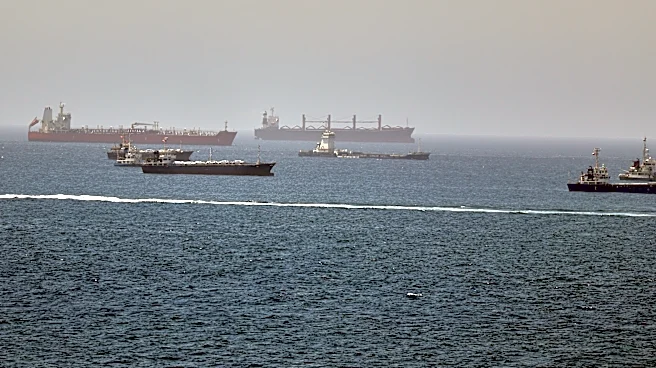
has created a deeper freeze in gold's bullish narrative, with the specter of rate hikes deterring market engagement. Shearer notes that while gold's momentum is stalled, base metals, particularly copper, present more attractive investment opportunities. The reopening of the Strait of Hormuz is expected to gradually resume oil flows, impacting oil prices and market dynamics. J.P. Morgan anticipates that the U.S. will structure refined copper tariffs to maintain import attractiveness, potentially driving copper prices higher.
Why It's Important?
The Federal Reserve's actions have significant implications for investors and the commodities market. The extended pause in gold's rally affects those who view gold as a hedge against economic instability. Meanwhile, the focus on base metals like copper highlights shifting investment strategies amid global industrial upturns and supply constraints. The anticipated changes in U.S. copper tariffs could intensify the competition between the U.S. and China for copper, affecting global market balances. These developments underscore the complex interplay between monetary policy, geopolitical events, and commodity markets, influencing investment decisions and economic forecasts.
What's Next?
As the Federal Reserve maintains its hawkish stance, investors may continue to shift focus from gold to other commodities like copper. The expected tariff review for refined copper in the U.S. could further impact market dynamics, potentially leading to higher copper prices. Stakeholders will closely monitor the Fed's future communications and policy decisions, as well as geopolitical developments such as the reopening of the Strait of Hormuz, which could influence oil and commodity markets. The ongoing tug of war for copper between the U.S. and China will likely remain a focal point for market analysts and investors.