






What's Happening?
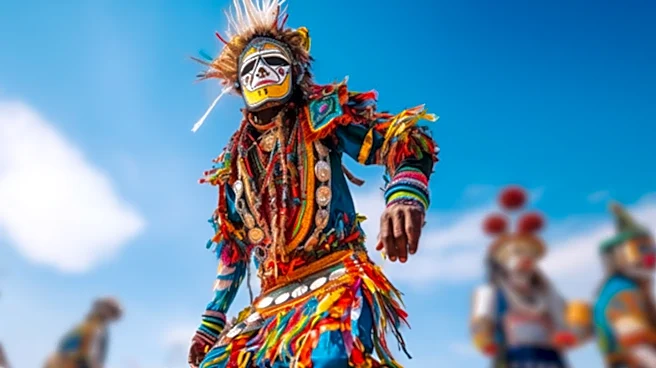
In South Africa, the Zulu people of KwaZulu-Natal province incorporate horns and rattles into their distinctive traditional music and dance. This practice is a key element of their cultural heritage, which also includes various traditional dances such
as the Bull Dance, the Hunting Dance, and the Dance of the Small Shield. Each dance carries specific cultural significance and is performed during particular ceremonies. Beyond music and dance, Zulu culture is rich in arts and crafts, notably beadwork with intricate geometric patterns that convey messages about the wearer's status and feelings. Traditional dress, varying by gender and life stage, often features animal skins for men and distinctive attire for women. The province also hosts significant cultural festivals like the Reed Dance, which celebrates young Zulu women's transition to adulthood. Historical sites such as the KwaZulu Natal Cultural Museum and the Isandlwana Historic Reserve further showcase Zulu history and heritage.
Why It's Important?
The integration of horns and rattles in Zulu music and dance highlights the profound role of cultural expression in South African society. This practice is not merely entertainment but a vital component of identity, community cohesion, and the transmission of historical narratives and values across generations. The preservation and celebration of such traditions, including specific dances and beadwork, contribute significantly to South Africa's cultural tourism sector. This sector attracts both international and domestic visitors, fostering economic growth through job creation and supporting local artisans. The continued practice of these traditions ensures that unique cultural elements, which might otherwise be lost, remain vibrant and accessible, enriching the broader tapestry of global cultural diversity and offering authentic experiences to those seeking to understand South African heritage.
What's Next?
The ongoing efforts to preserve and promote Zulu cultural practices, including their unique musical traditions, are likely to continue through cultural villages, festivals, and museums. These venues serve as crucial platforms for showcasing and educating both locals and tourists about the depth of Zulu heritage. Future initiatives may focus on expanding cultural tourism offerings, potentially leading to increased investment in local communities and traditional craftspeople. Educational programs could also be developed to ensure younger generations are actively engaged in learning and perpetuating these traditions. The success of such endeavors will depend on continued community involvement, government support, and the sustained interest of visitors in authentic cultural experiences, ensuring the longevity and vitality of Zulu cultural expressions.
Beyond the Headlines
The use of horns and rattles in Zulu music extends beyond mere instrumentation; it embodies a deep connection to nature, history, and spiritual beliefs. These instruments often carry symbolic meanings, linking the present generation to their ancestors and the natural world. The communal nature of these musical and dance forms reinforces social bonds and collective identity, serving as a powerful counter-narrative to the homogenizing forces of globalization. Furthermore, the economic impact of cultural tourism, driven by such unique practices, raises ethical considerations regarding the balance between cultural preservation and commercialization. Ensuring that the benefits of tourism genuinely support the communities and that cultural practices are presented respectfully, without exploitation, is a critical long-term challenge. This dynamic interplay between tradition, modernity, and economic development shapes the ongoing evolution of Zulu cultural identity.