




What's Happening?
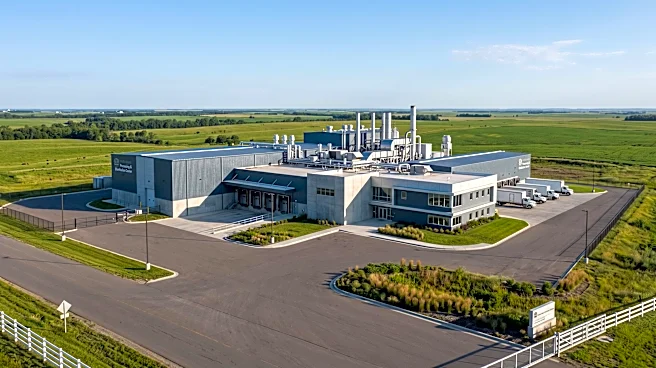
Iowa is solidifying its reputation as a leading center for agricultural, food, and bioscience innovation, attracting major companies and fostering a robust ecosystem for startups. Vylor, a Corteva spinout, recently relocated to Johnston, Iowa, marking
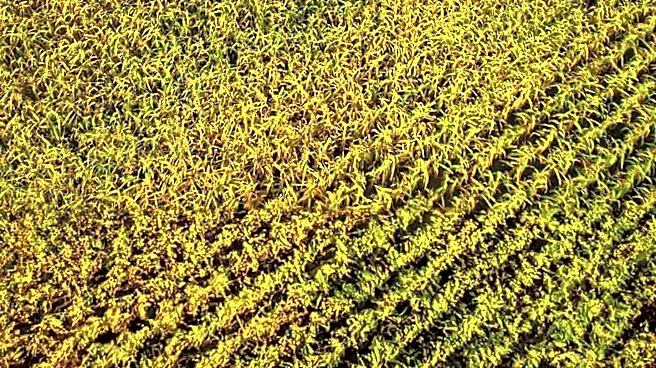
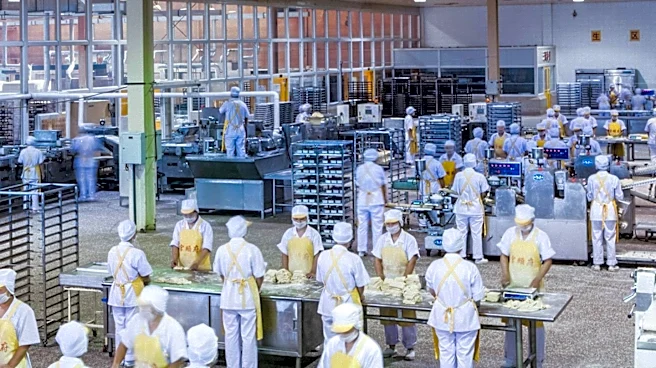
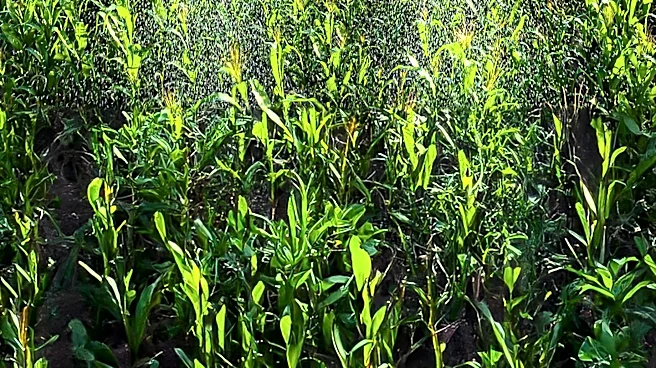
a significant return for the brand, which has historical ties to the state through Pioneer. This move highlights Iowa's strategic advantages, including its position in the heart of U.S. agricultural production, offering unparalleled access to customers, production systems, and industry partners. The state leads the nation in corn, pork, and egg production and ranks highly in soybeans, beef, turkey, milk, and wind energy. Twenty-nine of the 100 largest food manufacturers and processors operate in Iowa, alongside five global animal health brands. This concentration of industry is supported by a network of research institutions like Iowa State University, which boasts top-ranked agricultural engineering and entrepreneurship programs. Collaborative initiatives such as RuralSTAMINA and BioMADE's planned biomanufacturing facility further enhance the state's capacity for innovation, bridging scientific discovery with market needs.
Why It's Important?
Iowa's growing prominence in ag-food and bioscience innovation is crucial for the broader U.S. economy and food security. By fostering an environment where agricultural technologies, food products, and bio-based solutions can be developed and scaled, Iowa contributes significantly to the modernization and sustainability of the agricultural sector. The state's ability to connect producers, researchers, and businesses directly facilitates the rapid testing and refinement of new technologies, leading to more efficient and resilient food systems. This ecosystem attracts investment, as evidenced by Iowa leading the Midwest in agtech investment from 2021 through 2025, with over $245 million across more than 70 deals. This influx of capital and talent drives job creation and economic growth within the state and positions the U.S. at the forefront of global agricultural innovation, addressing challenges like increasing food demand and sustainable production practices.
What's Next?
Iowa is expected to continue leveraging its integrated ecosystem to attract further investment and foster new innovations in agriculture, food, and biosciences. The ongoing development of research facilities, such as Iowa State’s BioCentury Research Farm and the Digital Ag Innovation Lab, will likely lead to more breakthroughs in biofuels, biobased products, and digital agriculture. Collaborative initiatives like RuralSTAMINA and BioMADE's biomanufacturing facility are poised to expand the state's capabilities in biomanufacturing technologies, offering new avenues for commercialization. The state's focus on connecting entrepreneurs with mentorship, investment, and industry partners through programs like Ag Startup Engine and BioConnect Iowa suggests a sustained effort to nurture early-stage companies. This continuous development aims to strengthen Iowa's innovation ecosystem, leading to new partnerships, increased investment, and expanded commercial opportunities in the coming years.
Beyond the Headlines
The concentration of agricultural and bioscience innovation in Iowa has deeper implications for the future of food production and rural economic development in the U.S. This model of integrated collaboration between academia, industry, and government could serve as a blueprint for other regions seeking to revitalize their agricultural sectors and create high-tech jobs. The emphasis on bio-based solutions and sustainable practices also points towards a broader shift in how food is produced, moving towards more environmentally friendly and resource-efficient methods. Furthermore, the direct engagement between innovators and producers in Iowa ensures that new technologies are practical and address real-world farming challenges, fostering a more resilient and adaptable agricultural industry. This approach not only enhances food security but also promotes economic stability in rural communities by creating diverse employment opportunities beyond traditional farming.