






What's Happening?
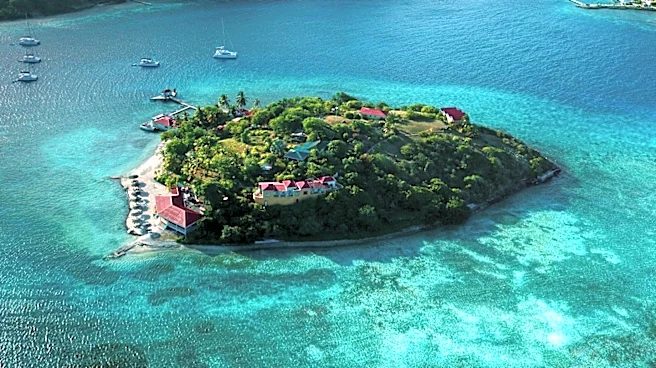
The U.S. Virgin Islands have been highlighted for their award-winning destinations, as the global travel industry enters a new phase marked by various developments. This recognition comes as airlines increase competition to enhance the in-flight experience,
including the provision of free Wi-Fi. Theme parks are also exploring artificial intelligence innovations to improve visitor experiences. Concurrently, Italy is facing new competition in cruise shipbuilding, and Kingston is promoting its reggae heritage through music tourism. These trends indicate a dynamic and evolving landscape within the international travel sector, with destinations and service providers adapting to new demands and technological advancements. The U.S. Virgin Islands' success underscores the importance of unique offerings and quality experiences in attracting global travelers.
Why It's Important?
The recognition of the U.S. Virgin Islands as an award-winning destination is significant for the U.S. tourism sector, particularly as it navigates a competitive global market. This highlights the potential for U.S. territories to drive economic growth through tourism, attracting international visitors and their spending. The broader industry trends, such as the push for improved in-flight Wi-Fi and AI integration in theme parks, indicate a shift towards technology-driven enhancements in travel. This could lead to increased investment in infrastructure and digital services across U.S. travel and hospitality, benefiting tech companies and service providers. For consumers, these advancements promise more seamless and engaging travel experiences. However, the increased competition in cruise shipbuilding and the focus on niche tourism, like music heritage, suggest that destinations must continuously innovate to remain attractive, potentially impacting less adaptable regions or businesses negatively.
What's Next?
The global travel industry is expected to continue its evolution, with a strong emphasis on technological integration and enhanced customer experiences. Airlines will likely further invest in in-flight amenities, such as advanced Wi-Fi, to gain a competitive edge, potentially leading to more widespread availability and higher quality services for travelers. Theme parks are anticipated to expand their use of AI, which could personalize visitor interactions and streamline operations, setting new standards for entertainment venues. For destinations like the U.S. Virgin Islands, maintaining their award-winning status will require ongoing investment in infrastructure, marketing, and unique cultural offerings. The competition in cruise shipbuilding suggests a future with more diverse and potentially more luxurious cruise options, impacting port cities and related industries. Overall, the industry will likely see continued innovation driven by consumer demand for convenience, personalization, and unique experiences.
Beyond the Headlines
The evolving global travel landscape, as exemplified by the U.S. Virgin Islands' success and broader industry trends, points to deeper shifts in consumer behavior and technological adoption. The emphasis on AI in theme parks and advanced in-flight connectivity reflects a growing expectation for seamless, tech-integrated experiences across all aspects of travel. This could lead to a 'digital divide' among destinations and service providers, where those unable to invest in cutting-edge technology may struggle to compete. Furthermore, the focus on unique cultural tourism, such as Kingston's reggae heritage, highlights a broader trend towards experiential travel, where authenticity and local immersion are highly valued. This could encourage destinations to preserve and promote their distinct cultural identities, fostering local economies and cultural exchange. However, it also raises questions about the potential for commercialization to dilute cultural authenticity if not managed carefully. The increased competition in cruise shipbuilding also suggests a potential for over-tourism in certain areas, necessitating sustainable development strategies.