





What's Happening?
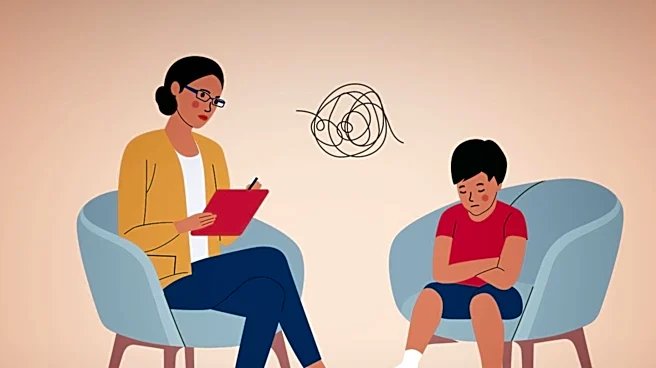
Dr. Gigi Chawla, a pediatrician at Children's Minnesota, states that while extracurricular activities are beneficial for children, free time is equally crucial for their well-being. She indicates that signs such as irritability, anxiety, and constant
rushing can signal that a child is overscheduled with too many activities. This perspective highlights a growing concern among medical professionals about the potential negative impacts of an overly structured childhood, emphasizing the need for a balance between organized activities and unstructured play or relaxation. The advice suggests that parents should be mindful of their children's schedules and emotional states to ensure they have adequate time for rest, independent exploration, and self-directed activities.
Why It's Important?
This medical advice from a pediatrician is highly relevant to U.S. families, where there is often significant pressure for children to participate in numerous extracurricular activities to enhance academic performance, college applications, or social development. Dr. Chawla's warning underscores the potential for over-scheduling to lead to stress, anxiety, and burnout in children, impacting their mental and emotional health. This perspective challenges the prevailing societal norm that more activities equate to better outcomes, prompting parents and educators to reconsider the value of unstructured time. Recognizing the importance of free time can lead to healthier child development, fostering creativity, problem-solving skills, and emotional regulation, which are crucial for long-term well-being. It also encourages a re-evaluation of educational and parenting philosophies that prioritize achievement over holistic development.
What's Next?
Parents and caregivers are encouraged to assess their children's schedules and look for signs of over-scheduling, such as irritability or anxiety. This may lead to a re-evaluation of the number and intensity of extracurricular activities their children participate in, prioritizing free play and relaxation. Educational institutions and community organizations might also consider promoting more balanced approaches to children's activities, offering resources and guidance on the benefits of unstructured time. Pediatricians and child development experts will likely continue to advocate for policies and practices that support children's mental health, including advocating for adequate free time. This could lead to a broader cultural shift towards valuing childhood as a period for exploration and development, not just achievement.
Beyond the Headlines
The discussion around children's free time versus structured activities touches upon deeper societal values concerning childhood, success, and parental roles. In a competitive environment, parents often feel compelled to provide every perceived advantage, leading to the 'overscheduled child' phenomenon. Dr. Chawla's advice implicitly critiques this pressure, advocating for a more child-centered approach that prioritizes intrinsic development over external achievements. This can have long-term implications for how society views education, play, and mental health in youth. It also raises questions about the commercialization of childhood, where numerous programs and activities are marketed as essential for development. Ultimately, fostering a culture that values free time can lead to more resilient, creative, and emotionally balanced individuals, contributing to a healthier society overall.