


What's Happening?
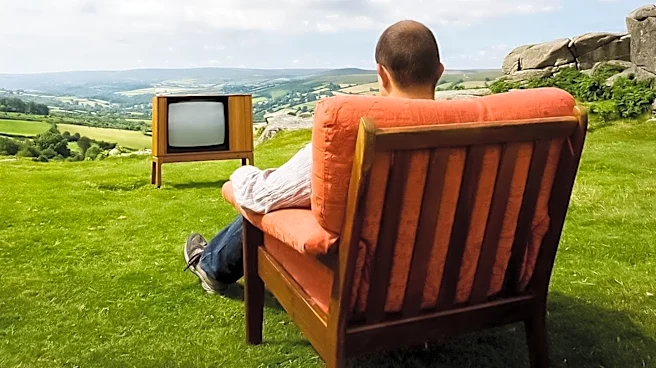
A growing trend among U.S. homeowners involves adapting premium indoor televisions, such as QLED, OLED, and Mini-LED models, for outdoor entertainment purposes. This shift is driven by a desire for backyard movie nights, sports viewing, and ambient entertainment,
as outdoor-ready TVs remain expensive and often compromise on contrast and viewing angles. To facilitate this, high-density TV covers have evolved significantly from basic tarps to precision-fit systems. These modern covers feature engineered seals, interior microfiber buffers, tailored fits, dual-zip seals, and UV-resistant fabrics, providing protection against wind-driven rain, UV exposure, dust, and accidental impact. Customer feedback indicates that correct sizing, based on exact width, height, and depth rather than diagonal measurements, is crucial for user satisfaction.
Why It's Important?
This trend highlights a significant consumer behavior shift towards experience-first TV usage, impacting both the electronics and home improvement industries. It creates a new market segment for specialized TV accessories and protective solutions, as homeowners seek cost-effective alternatives to dedicated outdoor televisions. The demand for advanced TV covers underscores the importance of product design that addresses specific environmental challenges, such as weather resistance and UV protection, while maintaining the aesthetic and functional integrity of high-end indoor electronics. For manufacturers, this means a need for continued innovation in materials and design for protective covers. For retailers, it presents an opportunity to educate consumers on proper product selection and usage to ensure satisfaction and prevent damage to expensive equipment.
What's Next?
The market for big screen TV covers is expected to continue its growth, with ongoing advancements in material science and design to meet evolving consumer needs. Manufacturers will likely focus on improving features such as seal integrity, UV protection, and interior lining types to enhance product durability and user experience. There may also be an increased emphasis on clear sizing guidance and customer education to reduce issues related to improper fit. While TV covers are classified as accessories and lack regulatory certifications like UL or CE, safety practices such as never covering a powered-on TV and regular inspection of zippers and seams will remain critical. The industry may also see more integrated solutions, such as covers combined with wall-mount brackets or dehumidifying agents, to offer more comprehensive protection.
Beyond the Headlines
The adaptation of indoor TVs for outdoor use reflects a broader cultural shift towards maximizing home spaces for entertainment and leisure. This trend blurs the lines between indoor and outdoor living, encouraging innovation in home technology and design that supports flexible, multi-functional environments. It also raises questions about product warranties and consumer responsibility, as manufacturers typically exclude damage from improper storage or environmental exposure. The reliance on accessories to extend the utility of high-value electronics highlights a consumer desire for versatility and cost-efficiency, potentially influencing future product development to incorporate more inherent outdoor resilience in standard indoor devices. This movement also underscores the importance of informed consumer choices in a market with diverse product offerings and varying levels of protection.