



What's Happening?
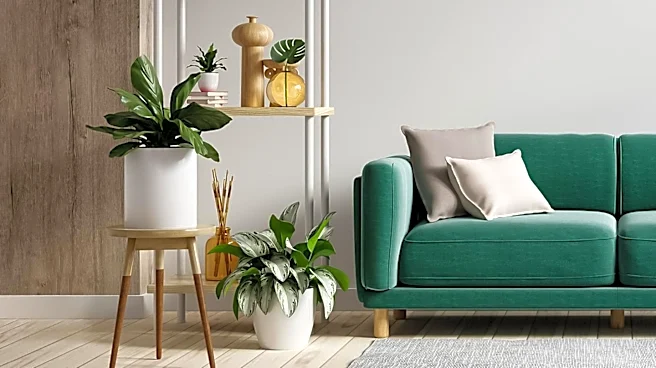
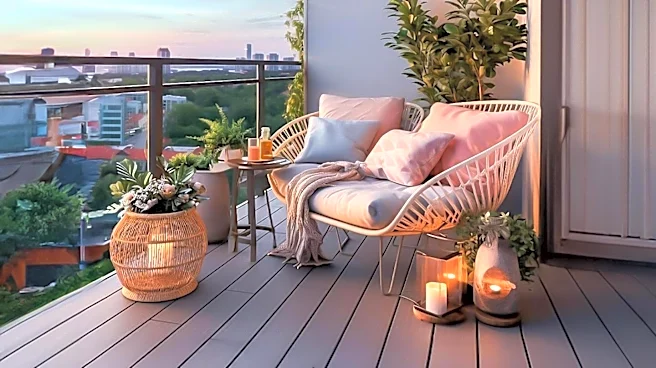
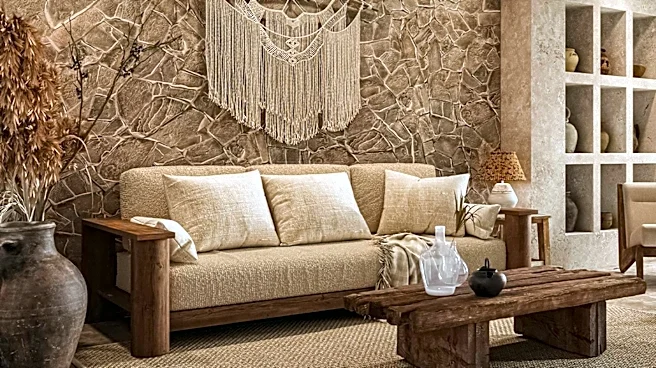
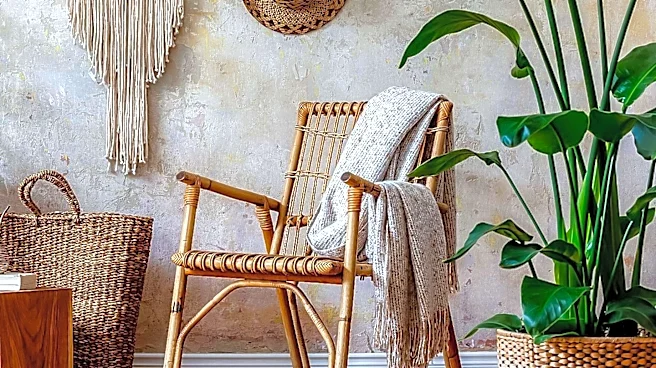
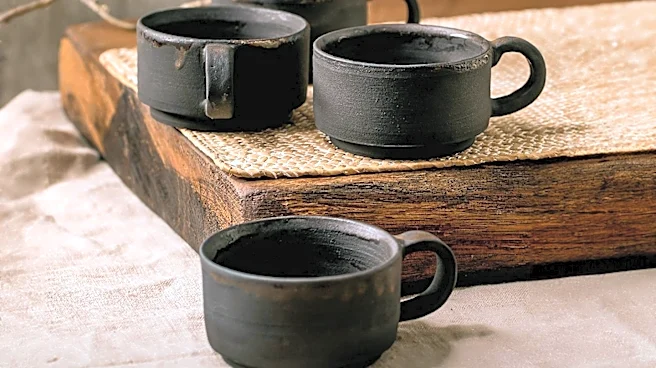
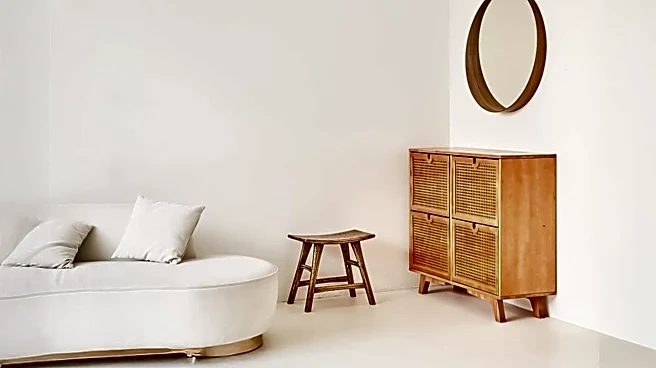
Cottagecore decor, a style embracing rustic and natural elements, is gaining popularity. This aesthetic focuses on creating a cozy and welcoming home environment through specific design choices. Key components include soft greens, gentle blues, and the use of natural materials
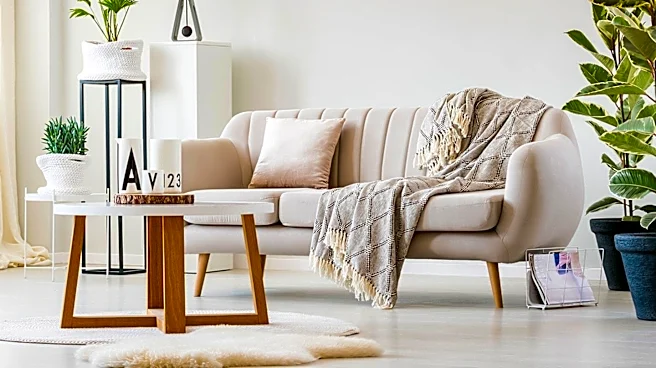
such as wood, wicker, linen, and cotton. Botanical prints and comfortable textures are also central to achieving the cottagecore look. Renowned designer Sophie Allport highlights the importance of bringing the outdoors in with flowers and foliage, even suggesting artificial options if natural greenery is unavailable. The style prioritizes creating a relaxed and lived-in feel, often achieved by layering different textures within a consistent color palette. This approach extends to various rooms, including hallways, where thoughtful details like soft candlelight and seasonal foliage can set a welcoming tone. The aesthetic is not limited to rural settings, as its principles can be applied to any home to evoke a sense of countryside charm.
Why It's Important?
The growing trend of cottagecore decor reflects a broader societal desire for comfort, nature, and a sense of escape, particularly relevant in a fast-paced, technology-driven world. This aesthetic offers a way for individuals to create a personal sanctuary, fostering mental well-being and a connection to simpler times. For the U.S. home decor industry, this trend translates into increased demand for specific products, including natural fiber textiles, wooden furniture, botanical-themed items, and soft lighting solutions. Businesses that adapt their offerings to align with cottagecore principles stand to gain, while those focused solely on modern or minimalist styles might need to diversify. The emphasis on natural materials also has implications for sustainable sourcing and production, potentially boosting demand for eco-friendly home goods. Furthermore, the accessibility of this style, which can be achieved on a budget through elements like fresh flowers or thrifted items, makes it appealing to a wide demographic, influencing consumer spending patterns in the decor market.
What's Next?
The cottagecore trend is likely to continue influencing home decor product development and marketing strategies. Retailers and designers are expected to further integrate natural materials, botanical motifs, and soft color palettes into their collections. We may see an increase in workshops and online content dedicated to DIY cottagecore projects, empowering consumers to personalize their spaces. The intersection of cottagecore with other aesthetics, such as 'Danish Pastel' or 'Y2K Room Decor' as seen in some retail offerings, suggests a potential for hybrid styles to emerge, catering to diverse tastes while retaining core cottagecore elements. As sustainability becomes a more prominent consumer concern, brands that can offer ethically sourced and environmentally friendly cottagecore products will likely gain a competitive edge. The trend's adaptability means it could evolve to incorporate seasonal variations, ensuring its continued relevance in the home decor market.
Beyond the Headlines
Beyond its aesthetic appeal, cottagecore decor taps into a deeper cultural yearning for authenticity and a slower pace of life. In an increasingly digital and urbanized society, this style offers a tangible connection to nature and traditional craftsmanship, serving as a counter-narrative to consumerism and mass production. The emphasis on comfort and coziness can also be seen as a response to global uncertainties, providing a sense of security and warmth within one's personal space. Ethically, the trend encourages mindful consumption, favoring durable, natural materials over disposable, synthetic ones. It also promotes a return to domestic arts and crafts, fostering creativity and self-sufficiency. This cultural shift could lead to a greater appreciation for handmade goods, local artisans, and the preservation of traditional design techniques, influencing not just home decor but also fashion, lifestyle choices, and even architectural preferences in the long term.