






What's Happening?
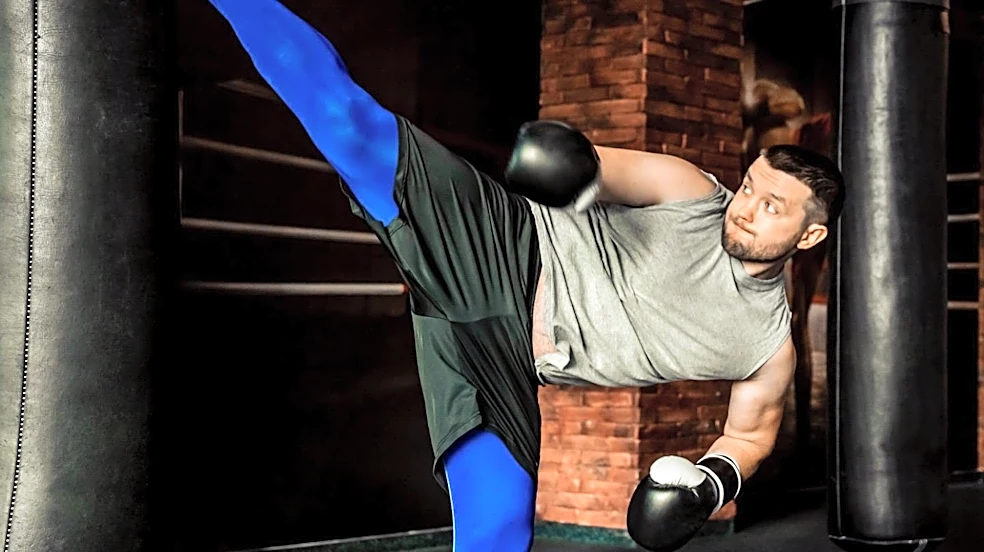
Supreme Team Boxing in Long Island City, NY, provides non-contact boxing classes specifically designed for children. The program focuses on teaching fundamental boxing techniques such as footwork, punches, shadow boxing, pad work, and heavy bag training
without involving direct sparring. The primary goal is to offer a challenging activity that promotes fitness, coordination, and discipline in children aged 8-12. The classes emphasize listening, learning, self-control, and practice, aiming to develop skills beyond just physical activity. No prior boxing experience is required for participants, and the program is structured to help children gradually become familiar with boxing movements and conditioning. The gym, established in 1985, has trained over 4,000 students and maintains a family-oriented environment with experienced coaches.
Why It's Important?
This non-contact boxing program offers a structured alternative to traditional after-school activities, providing children with a unique blend of physical fitness and mental discipline. By focusing on skill development and controlled movements rather than sparring, it mitigates the risks often associated with combat sports, making it accessible to a wider range of children. The emphasis on focus, coordination, body control, and confidence can have significant positive impacts on a child's overall development, extending beyond the gym into academic and social settings. For parents seeking activities that instill discipline and resilience, this program presents a valuable option that promotes physical health and character building in a safe environment.
What's Next?
Supreme Team Boxing continues to offer its structured youth program, inviting interested families to visit their Long Island City location to learn more about the classes and suitability for their children. The program is designed for ongoing participation, allowing children to progressively build skills and confidence over time. As children advance, they can further refine their techniques and physical conditioning within the non-contact framework. The gym's long-standing presence and experienced coaching staff suggest a continued commitment to providing this specialized training, potentially expanding its reach within the community as awareness of its benefits grows.
Beyond the Headlines
The rise of non-contact sports programs like this reflects a broader trend in youth development, where the focus is shifting towards skill acquisition, fitness, and character building without the pressures or risks of competitive combat. This approach can help demystify sports like boxing, making them more appealing and accessible to parents and children who might otherwise be hesitant. It also highlights the evolving understanding of physical education, where activities are valued not just for athletic prowess but for their holistic contributions to a child's mental and emotional well-being. Such programs contribute to a more inclusive sports landscape, encouraging participation from children of varying athletic abilities and interests.