






What's Happening?
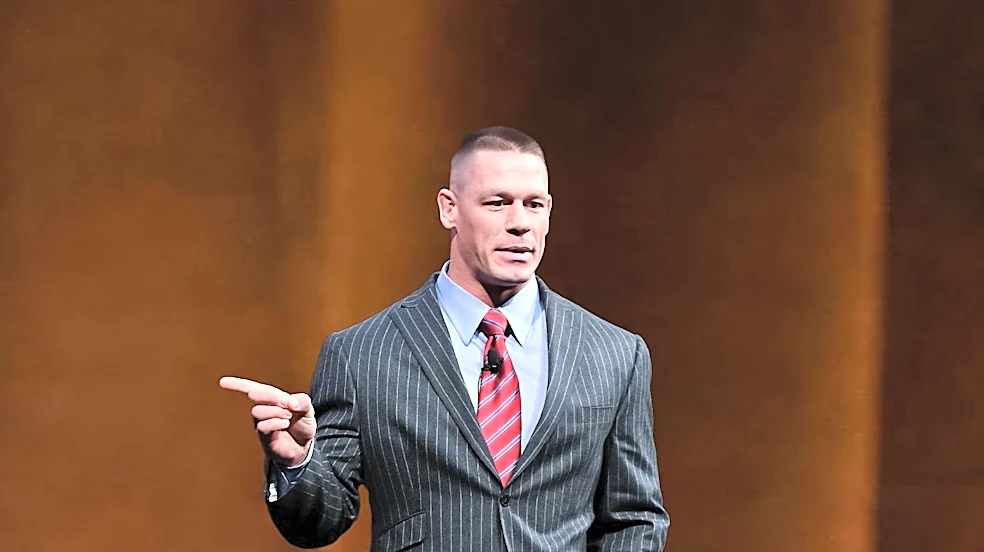
John Cena, the renowned professional wrestler and actor, has reiterated his long-standing decision not to have children. In a recent interview on TODAY’s Making Space, Cena stated that this perspective has been consistent since his early teenage years,
around 13 or 14. While acknowledging that people's views can evolve, he emphasized that his choice remains an open conversation. Cena highlighted that he has found joy, fulfillment, and curiosity in his life without becoming a parent, and he understands that this decision may draw criticism from those who believe he might change his mind. He questioned why his choice not to have children cannot be understood and respected, similar to how the choice to have children is supported. Cena married his wife, Shay Shariatzadeh, in 2020, and this discussion comes as he continues to navigate his highly successful career in entertainment.
Why It's Important?
Cena's public stance on not having children is significant as it contributes to a broader societal conversation about personal choices regarding family and parenthood. In a culture that often presumes or pressures individuals, particularly public figures, to have children, Cena's articulate defense of his decision offers a counter-narrative. This can empower individuals who choose not to have children by validating their life paths and challenging traditional expectations. His comments also shed light on the personal sacrifices and choices that individuals in demanding careers, like his, often face. By openly discussing his perspective, Cena helps normalize diverse family structures and personal definitions of fulfillment, potentially influencing public discourse and reducing stigma around non-parenthood. This is particularly relevant in the U.S., where discussions about work-life balance and individual autonomy are increasingly prominent.
What's Next?
While Cena's statement is a reaffirmation of his personal choice, it is likely to continue to spark discussions among his fanbase and the wider public regarding personal autonomy and societal expectations around family. His continued visibility in entertainment means his personal life choices will remain a topic of interest, and his stance may encourage other public figures to share their own perspectives on similar matters. For Cena himself, his focus will likely remain on his ongoing career in wrestling and acting, as well as his marriage to Shay Shariatzadeh. The 'open conversation' aspect of his decision suggests a continued willingness to discuss the topic, but it does not indicate any immediate change in his personal plans regarding parenthood. The broader impact may be seen in how public discourse evolves around individual choices concerning family planning.
Beyond the Headlines
Cena's candidness about not wanting children touches upon deeper societal and cultural norms surrounding procreation and the definition of a 'complete' life. In many societies, including the U.S., there's an implicit expectation that marriage leads to children, and those who deviate from this path can face judgment or misunderstanding. Cena's position challenges this traditional narrative, highlighting that fulfillment and purpose can be found outside of parenthood. This conversation is particularly relevant in an era where birth rates are declining in many developed nations, and individuals are increasingly prioritizing personal and professional goals. His comments could contribute to a more inclusive understanding of family and individual happiness, moving beyond a singular, prescribed life path. It also underscores the ethical dimension of personal autonomy, asserting the right to make fundamental life choices free from undue external pressure.