








What's Happening?
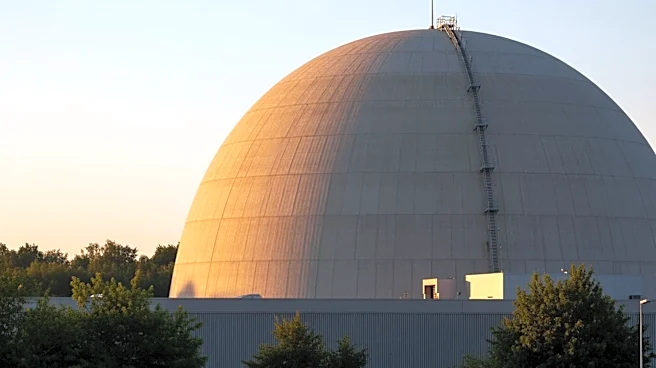
The Edwin I. Hatch Nuclear Plant in Georgia has been granted a license extension by the U.S. Nuclear Regulatory Commission, allowing it to operate for an additional 20 years. This extension means the two reactor units at the plant, which began operations
in 1975 and 1979, will continue to function until 2054 and 2058, respectively. Georgia Power, the plant's operator, announced this development, highlighting the plant's role in providing reliable and cost-effective energy. The Hatch plant, along with the Alvin W. Vogtle plant, contributes significantly to Georgia Power's energy output, with the two facilities producing nearly 30% of the company's energy last year. The decision to extend the licenses was based on comprehensive safety and environmental reviews, as well as aging management programs.
Why It's Important?
The extension of the Hatch Nuclear Plant's operational life is significant for Georgia's energy landscape. As the state continues to grow, the demand for stable and reliable electricity increases. Nuclear energy, which is a major component of Georgia Power's portfolio, offers a consistent power supply that can help meet this demand. The extension also underscores the importance of nuclear energy in the broader context of energy security and environmental sustainability, as it provides a low-carbon alternative to fossil fuels. This move could influence energy policy and investment decisions, potentially encouraging further development and maintenance of nuclear facilities across the U.S.
What's Next?
With the license extension secured, Georgia Power and its partners will likely focus on maintaining and upgrading the Hatch plant's infrastructure to ensure continued safety and efficiency. This may involve further investments in technology and equipment upgrades. Additionally, the decision could prompt discussions among policymakers and industry leaders about the future of nuclear energy in the U.S., particularly in terms of regulatory frameworks and public perception. Stakeholders may also explore opportunities for expanding nuclear capacity to address future energy needs.