







What's Happening?
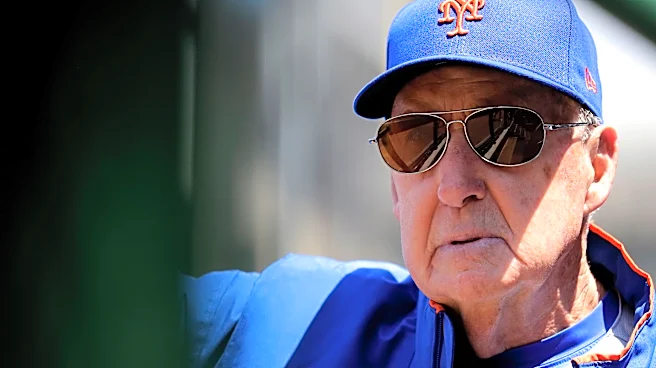
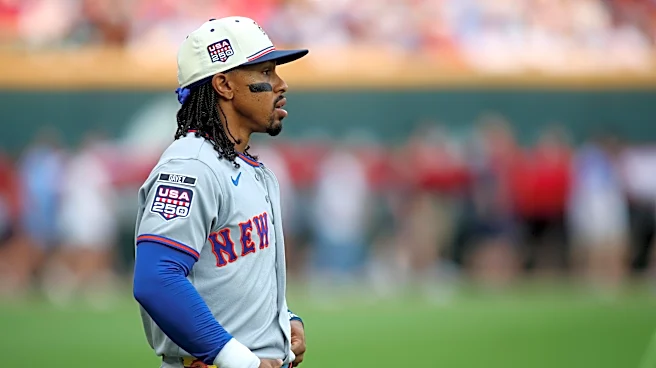
Zack Scott, the former acting general manager of the New York Mets, has publicly acknowledged his regret over trading Pete Crow-Armstrong to the Chicago Cubs in 2021. The trade, which was part of a deal to acquire Javier Báez, has been criticized as Crow-Armstrong has emerged
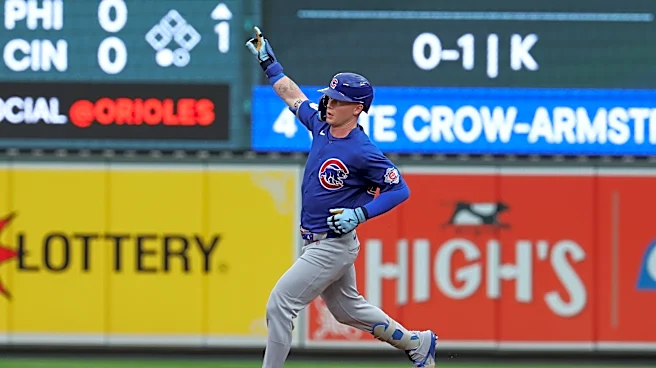
as a star player. Scott admitted that he misjudged Crow-Armstrong's potential and allowed the pressure of a pennant race to influence his decision-making. The trade did not yield the desired results for the Mets, as Báez left for free agency after a short stint, and the team failed to make the playoffs that year. Meanwhile, Crow-Armstrong has become one of the best young players in baseball, making his first All-Star team and winning a Gold Glove award.
Why It's Important?
This admission by Scott highlights the challenges and pressures faced by MLB executives during trade deadlines, where short-term gains are often weighed against long-term potential. The trade's outcome has had significant implications for both the Mets and the Cubs, with the latter benefiting from Crow-Armstrong's development into a top-tier player. This situation underscores the importance of scouting and player evaluation in baseball, as well as the potential consequences of high-pressure decision-making. For the Mets, this trade serves as a cautionary tale about the risks of prioritizing immediate success over future potential.