






What's Happening?
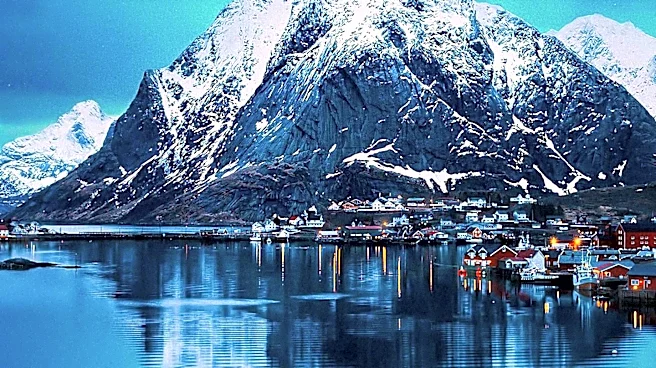
Tromsø, Norway, is highlighted as a premier destination for experiencing the Aurora Borealis, commonly known as the Northern Lights. Situated within the Arctic Circle, the city provides excellent opportunities for viewing this natural phenomenon during
the darker months, typically from September to early April. Beyond the celestial display, Tromsø offers a range of winter activities, including dog sledding, snowmobile rides, and opportunities to interact with reindeer. The city's appeal lies in its combination of vibrant aurora sightings and diverse Arctic experiences, making it a popular choice for travelers seeking a comprehensive winter adventure. The visibility of the Northern Lights is dependent on factors such as solar activity, cloud cover, and darkness, with clearer skies and locations away from city lights enhancing the viewing experience.
Why It's Important?
The popularity of destinations like Tromsø for Northern Lights tourism underscores a growing interest in unique natural phenomena and adventure travel. This trend can significantly impact local economies in Arctic regions, boosting sectors such as hospitality, tourism, and related services like guided tours and equipment rentals. For the U.S. travel industry, this highlights a potential market for specialized travel packages and increased demand for flights to gateway cities that connect to these remote destinations. The emphasis on combining aurora viewing with other winter activities also suggests a shift in tourist expectations, where travelers seek immersive experiences rather than single-attraction visits. This could influence how U.S. travel agencies market and develop their own winter tourism offerings, potentially inspiring similar multi-faceted approaches in U.S. cold-weather destinations.
What's Next?
As interest in aurora tourism continues, destinations like Tromsø are likely to further develop their infrastructure and offerings to accommodate increasing visitor numbers. This could include expanding accommodation options, enhancing transportation links, and introducing new winter activities or cultural experiences. For travelers, the focus will remain on planning trips during the optimal viewing season and staying informed about aurora forecasts to maximize their chances of witnessing the lights. The tourism sector in these regions may also explore sustainable tourism practices to manage environmental impact and preserve the natural beauty that attracts visitors. Additionally, marketing efforts will likely continue to emphasize the unique combination of natural spectacle and adventure activities available.
Beyond the Headlines
The allure of the Northern Lights extends beyond mere tourism, touching upon scientific and cultural dimensions. The Aurora Borealis is a powerful reminder of Earth's interaction with solar activity, offering a tangible connection to space weather phenomena. Culturally, the Northern Lights hold significant meaning for indigenous communities in Arctic regions, often featuring in folklore and spiritual beliefs. The increasing accessibility of these destinations also raises questions about the balance between promoting tourism and preserving the pristine Arctic environment and local cultures. The experience of witnessing the aurora can be profoundly impactful, fostering a deeper appreciation for natural wonders and potentially inspiring greater environmental stewardship among visitors.