

What's Happening?
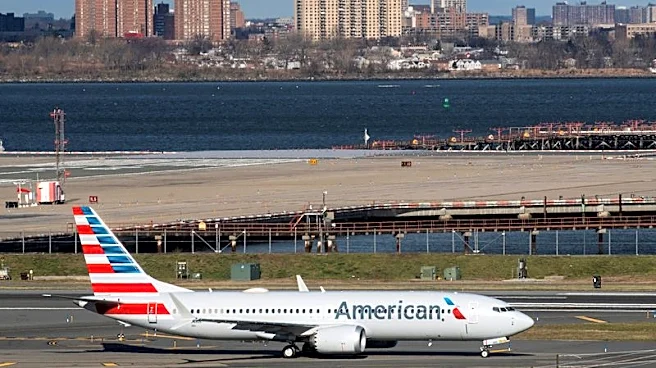
American Airlines Group is implementing a significant investment to enhance its onboard experience, including the reintroduction of seatback screens across its fleet and an increase in premium seating options. According to Chief Customer Officer Heather
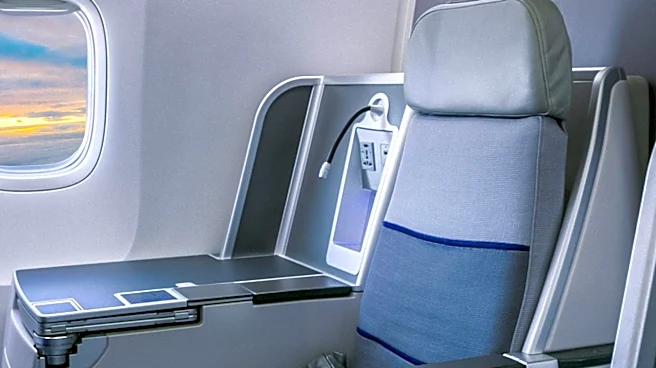
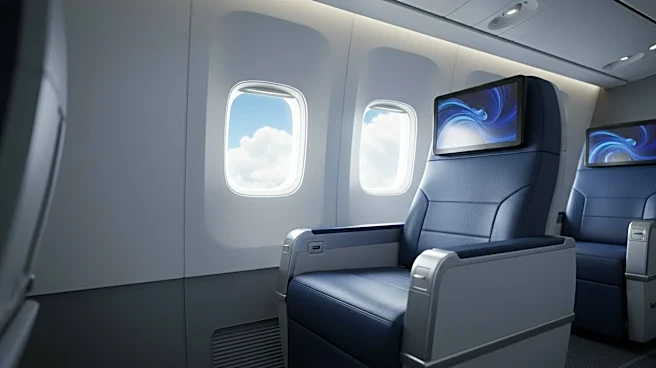
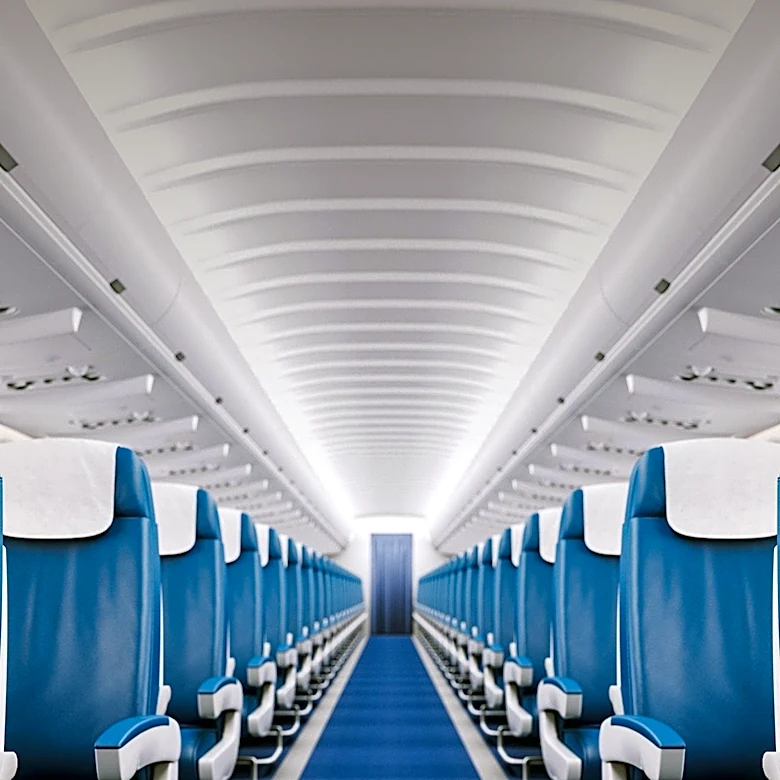
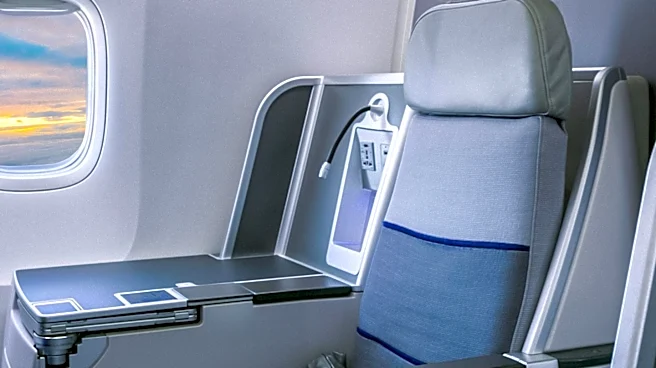
Garboden, this initiative represents one of the most substantial investments in the airline's history, aiming to provide customers with more ways to relax, stay connected, and enjoy their journey. The upgrade will involve retrofitting existing aircraft and installing new features on all new Airbus and Boeing deliveries starting in 2028, with full fleet installation expected to be completed in the early next decade. The new seatback screens will feature 4K quality, USB-C charging, Bluetooth audio, and expanded content. Additionally, American Airlines plans to increase its premium seating, which includes first-class and extra legroom Main Cabin Extra seats, from 25% to 40% on narrowbody flights. This expansion will involve adding a row of first class to Airbus A319s and A320s, and configuring Boeing 737 MAX 10s with 24 first-class seats. The airline is also adding more Main Cabin Extra seats across the majority of its narrowbody aircraft.
Why It's Important?
This strategic shift by American Airlines is crucial for several reasons, primarily addressing a long-standing profitability gap with competitors like Delta and United. For years, American Airlines focused on cost-cutting and competing with low-cost carriers, which led to the removal of seatback entertainment and a reduction in premium seating. This approach alienated higher-spending customers and resulted in a product that did not align with evolving customer preferences for enhanced comfort and in-flight amenities. By reintroducing seatback screens and significantly increasing premium seating, American Airlines aims to attract and retain more profitable travelers, particularly those on the East and West Coasts and in Chicago, who are willing to pay for a superior experience. This move also provides a better product for customers to 'buy up' into, offering more value for their loyalty and credit card spending. The investment in customer experience is expected to improve the airline's revenue premium and overall financial performance, as it aligns its offerings with what customers are increasingly willing to spend on.
What's Next?
The implementation of these fleetwide upgrades will begin with new aircraft deliveries and retrofits starting in late 2028, with full completion anticipated in the early 2030s. While some older aircraft, such as 100 A319s and the A320 fleet, will not be retrofitted, the majority of the fleet will undergo these enhancements. American Airlines will also continue to invest in other customer experience improvements, including lounges at airports like Charlotte, Dallas, and LAX, and better onboard amenities. The airline needs to effectively communicate these changes to both its customers and its 130,000 employees to ensure the successful delivery of the enhanced experience. The focus will be on leveraging these investments to improve customer satisfaction, drive repeat purchases, and increase credit card acquisition and spend volume, which are high-margin revenue streams. The airline is also expected to provide more details on the exact number of additional Main Cabin Extra seats and their impact on legroom and seat count in the future.
Beyond the Headlines
This move by American Airlines signifies a broader industry trend towards prioritizing customer experience and premium offerings, even in a slow-moving industry like aviation. The decision to reverse a decade-old strategy of removing seatback entertainment and reducing premium seats highlights a recognition that customer preferences have shifted significantly. The initial focus on cost-cutting and competing with ultra-low-cost carriers proved to be a misstep, as customers increasingly value comfort, connectivity, and a more personalized travel experience. This reversal also underscores the importance of listening to customer feedback and adapting to market demands. The investment in 4K screens, USB-C charging, and Bluetooth audio reflects the integration of modern technology into the travel experience, catering to the digital habits of contemporary travelers. Furthermore, the emphasis on increasing premium seating indicates a strategic pivot towards a more revenue-centric model, where providing a differentiated product justifies higher fares and attracts a more lucrative customer segment. This could set a new standard for in-flight amenities across the U.S. airline industry.