



What's Happening?
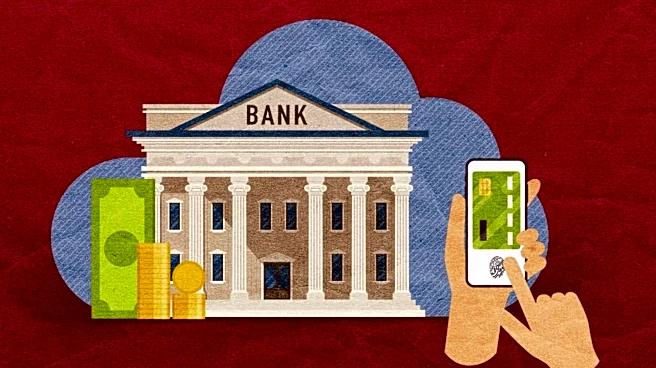
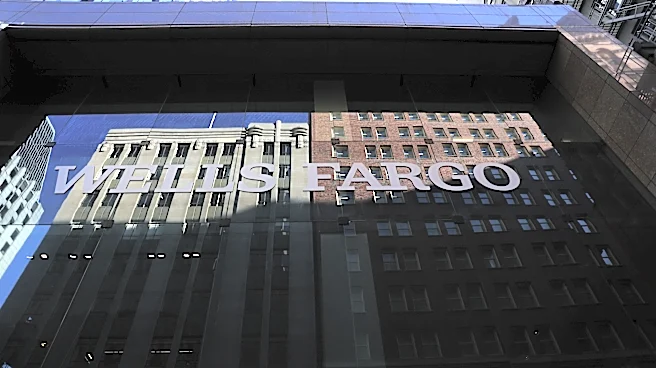
Cash App, a financial services platform operated by Block, Inc., has clarified that it is not a bank but rather partners with several FDIC-member banks to provide its services. These partner banks include Sutton Bank, The Bancorp Bank, N.A., and Wells
Fargo Bank, N.A. Sutton Bank is primarily responsible for issuing Cash App Cards and Cash App Flex cards, while The Bancorp Bank also issues Cash App Flex cards and is listed for FDIC pass-through coverage. Wells Fargo Bank, N.A. holds the funds associated with Cash App Savings accounts. For direct deposits, users are advised to use the bank name corresponding to the routing number displayed in their Cash App, which commonly includes Sutton Bank (routing number 041215663) or Lincoln Savings Bank (routing number 073923033). Cash App emphasizes that it provides the user interface and services, while the regulated banking functions are handled by its partner institutions.
Why It's Important?
This clarification is crucial for Cash App users, particularly those setting up direct deposits or seeking to understand the regulatory framework behind their funds. Since Cash App itself is not a bank, users cannot simply list 'Cash App' as the bank name on official forms; they must identify the specific partner bank associated with their routing number. This distinction impacts how users interact with payroll systems, tax refund processes, and other financial services that require a traditional bank name. Understanding the role of partner banks also informs users about the FDIC insurance coverage, which applies to eligible balances through these partner institutions, protecting up to $250,000 per customer. This structure allows Cash App to offer banking-like services without the extensive regulatory burden of operating as a full-fledged bank, while still providing users with the security of FDIC insurance through its partners.
What's Next?
Users of Cash App who have not yet set up direct deposit or who need to update their banking information will need to ensure they correctly identify the partner bank associated with their specific routing number. Cash App advises users to find their account and routing numbers within the app's 'Money' tab and then use the corresponding bank name for any official forms. The Federal Reserve's E-Payments Routing Directory can be used to verify the bank name for any given routing number. This process is essential to avoid rejected payments or delays in receiving funds. Cash App will likely continue to emphasize this distinction in its user communications to prevent confusion and ensure smooth financial transactions for its customers.
Beyond the Headlines
The operational model of Cash App, relying on partnerships with traditional banks, highlights a broader trend in the financial technology (fintech) sector. Many fintech companies opt for this 'bank-as-a-service' model to innovate rapidly and offer specialized financial products without the significant capital and regulatory requirements of obtaining a banking charter. This approach allows fintechs to focus on user experience and technology, while established banks handle the regulated aspects of holding deposits and issuing cards. However, it also places a greater responsibility on users to understand the underlying financial infrastructure, particularly regarding where their money is legally held and how it is protected. This hybrid model blurs the lines between traditional banking and technology services, prompting ongoing discussions about regulatory oversight and consumer protection in the evolving financial landscape.