



What's Happening?
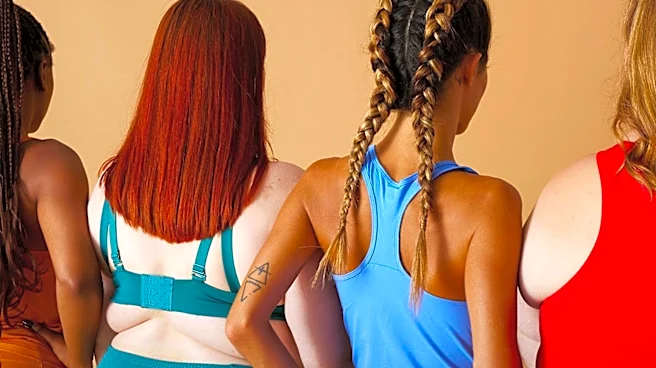
The fashion industry is experiencing renewed scrutiny regarding its commitment to body positivity, as ultra-thin fashion imagery makes a comeback and weight-loss drugs gain prominence. A 2026 analysis by The Guardian highlighted the contrast between the self-acceptance
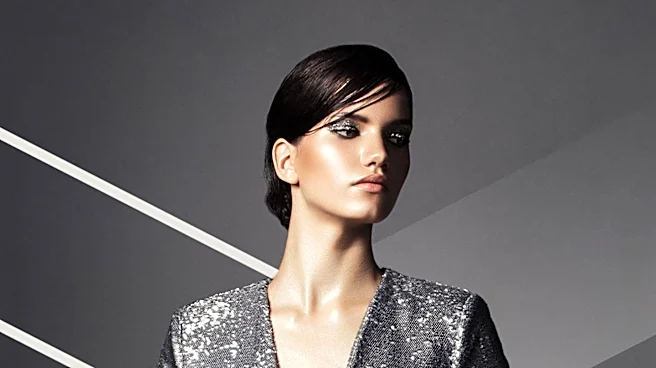
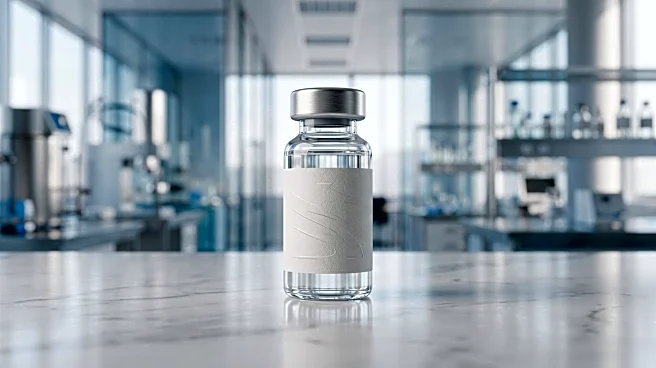
language of the late 2010s and a fashion culture that continues to reward slimness. Runway data from the spring/summer 2027 fashion season, cited by Vogue Business, indicates that 97.5% of looks were modeled by straight-size models (US sizes 0-4), with plus-size looks accounting for only 0.5%. This trend suggests a regression in size diversity on luxury catwalks, despite earlier limited gains in representation. The discussion also includes the increasing attention on GLP-1 medicines, used for conditions like type 2 diabetes and obesity, which some critics argue contribute to the resurgence of thin ideals. The National Association to Advance Fat Acceptance (NAAFA) chair, Tigress Osborn, noted that while body positivity originated from fat liberation movements, its commercialization often lacked meaningful changes in representation and clothing sizes.
Why It's Important?
This shift is important because it challenges the progress made by the body-positivity movement and raises questions about the fashion industry's genuine commitment to inclusivity. The continued dominance of straight-size models on runways and the limited availability of clothing in diverse sizes suggest that many brands have adopted the language of body positivity without implementing substantial changes. This can have a significant impact on consumer self-perception and mental health, particularly for individuals who do not fit the narrow beauty standards promoted by the industry. The debate also highlights the tension between promoting health and body acceptance, and the potential for weight-loss medications to inadvertently reinforce societal pressures for thinness. For consumers, it means a continued struggle to find representation and clothing that caters to a wider range of body types, potentially leading to feelings of exclusion and inadequacy. For brands, it poses a challenge to align their marketing messages with their actual practices, risking accusations of tokenism or hypocrisy.
What's Next?
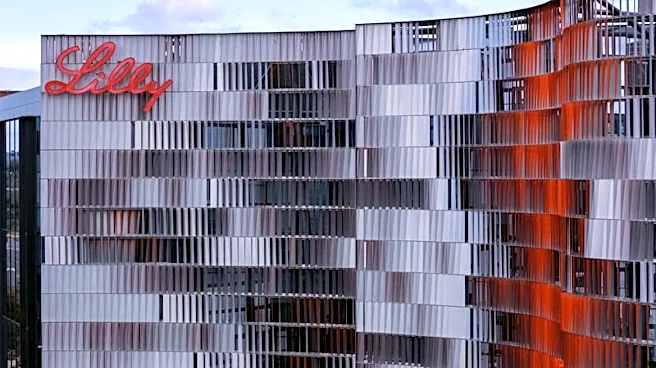
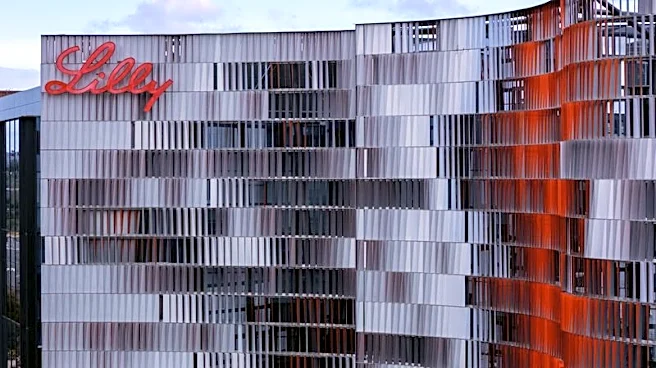
The ongoing debate is expected to intensify, focusing on fashion casting, the range of clothing sizes offered by brands, and the language used to discuss bodies. As fashion houses prepare new collections, their actions regarding size diversity on catwalks and the availability of clothes beyond sample sizes will be closely watched as concrete measures of their stated commitments. Stakeholders, including activists and consumers, are likely to continue pushing for more authentic and inclusive practices. The role of pharmaceutical companies in sponsoring fashion events, as seen with Eli Lilly's sponsorship of Vogue World: Milano, will also remain a point of contention, with critics arguing against such partnerships as inconsistent with promoting body diversity. The industry may see further discussions around the concept of 'body neutrality' as an alternative approach, encouraging individuals to place less emphasis on appearance for self-worth. Brands that genuinely embrace diversity in their collections and campaigns may gain a competitive edge, while those that lag could face consumer backlash and reputational damage.
Beyond the Headlines
Beyond the immediate concerns of runway representation, this development touches upon deeper societal implications regarding beauty standards and the commercialization of social movements. The co-option of 'body positivity' by brands without fundamental changes in practice highlights the challenge of maintaining the integrity of social justice movements within a capitalist framework. The rise of GLP-1 drugs introduces a complex ethical dimension, as their medical benefits for conditions like type 2 diabetes and obesity intersect with their potential to influence aesthetic ideals. This could lead to a societal re-evaluation of what constitutes 'health' versus 'beauty,' and how these concepts are influenced by both medical advancements and cultural pressures. The discussion also underscores the power of media and advertising in shaping perceptions of the ideal body, and the responsibility of the fashion industry to promote healthier, more inclusive narratives. The long-term shift could involve a move towards more personalized fashion experiences and a greater emphasis on individual well-being over conformity to narrow beauty standards, driven by consumer demand for authenticity and genuine inclusivity.