






What's Happening?
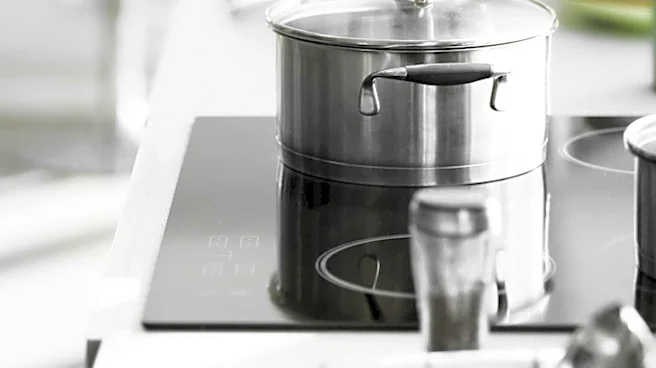
A homeowner has transitioned from a gas cooktop to an induction cooktop, specifically a Hisense Hi8 model, after nearly 30 years of using gas. The primary motivations for the switch included frustration with inconsistent heat control, frequent boil-overs,
and the difficulty of cleaning around gas rings and grates. After one week of use, the homeowner reports no regrets, highlighting three key benefits of induction cooking: precision heat control, significantly faster cooking times, and effortless cleanup due to the flat, smooth surface. The precision control eliminates guesswork in adjusting heat, while features like 'power boost' dramatically reduce the time needed to boil water. The flat, matte finish of the new cooktop also simplifies cleaning, making fingerprint issues obsolete. However, a crucial point for potential switchers is the necessity of using induction-compatible (magnetic) cookware, as aluminum pans will not work.
Why It's Important?
This personal account reflects a growing trend and interest in induction cooking as an alternative to traditional gas or electric coil cooktops. The benefits highlighted—precision, speed, and ease of cleaning—are significant factors for many consumers when choosing kitchen appliances. The shift away from gas cooktops also aligns with broader discussions around indoor air quality and environmental concerns, as gas stoves can release pollutants. For the appliance industry, positive user experiences like this can drive demand for induction technology, encouraging further innovation and competitive pricing. For consumers, it provides practical insights into the real-world advantages and considerations (like cookware compatibility) of making such a significant kitchen upgrade, potentially influencing purchasing decisions and contributing to a wider adoption of induction technology in U.S. households.
What's Next?
As more consumers become aware of the benefits of induction cooking, the market for these appliances is likely to expand. Appliance manufacturers will continue to innovate, potentially introducing more advanced features, improved energy efficiency, and more aesthetically pleasing designs. The increasing adoption of induction cooktops could also lead to a greater availability of induction-compatible cookware at various price points. Furthermore, as awareness of the environmental and health impacts of gas stoves grows, there may be increased policy discussions or incentives to encourage the transition to electric alternatives like induction. Retailers might also see a shift in consumer demand, requiring them to stock a wider range of induction cooktops and compatible accessories.
Beyond the Headlines
The move from gas to induction cooktops represents more than just a kitchen upgrade; it signifies a broader shift in lifestyle and environmental consciousness. Induction technology, being more energy-efficient and not producing combustion byproducts, contributes to better indoor air quality and reduced carbon footprint, aligning with sustainability goals. This transition also highlights how technological advancements can simplify daily chores, improving quality of life through convenience and efficiency. The requirement for specific cookware subtly nudges consumers towards more durable and often higher-quality materials like stainless steel or cast iron, potentially influencing consumer habits in kitchenware purchases. Ultimately, this personal choice reflects a micro-trend that, when aggregated, can contribute to significant changes in household energy consumption patterns and appliance market dynamics, pushing towards a more electrified and efficient home environment.