



What's Happening?
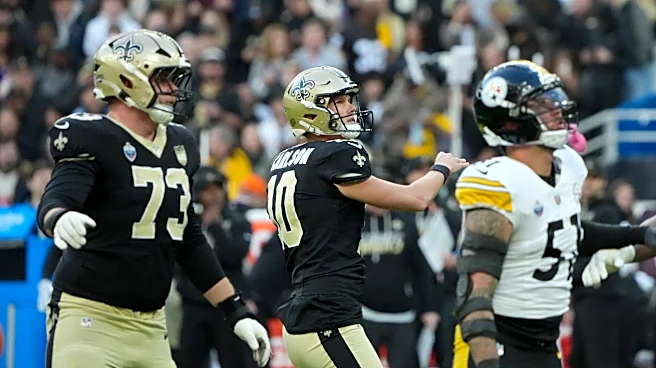
The New Orleans Saints have released kicker Daniel Carlson and brought back running back Audric Estime, according to ESPN’s Adam Schefter. These roster changes reflect the Saints' ongoing efforts to achieve consistency in special teams and to adjust their
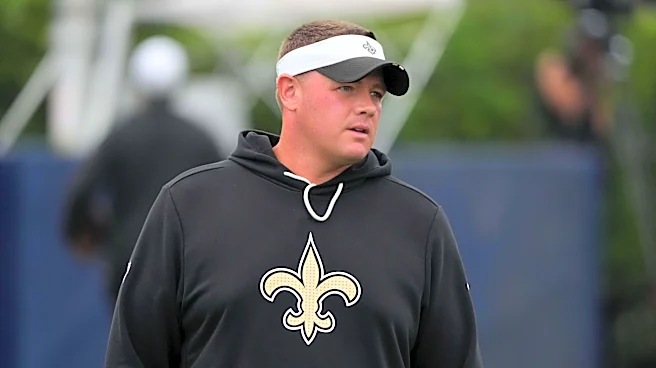
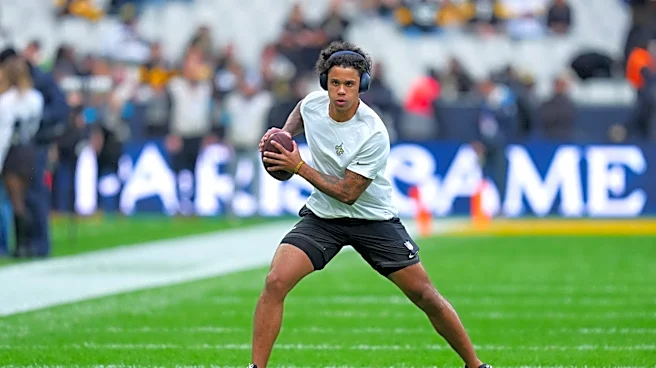
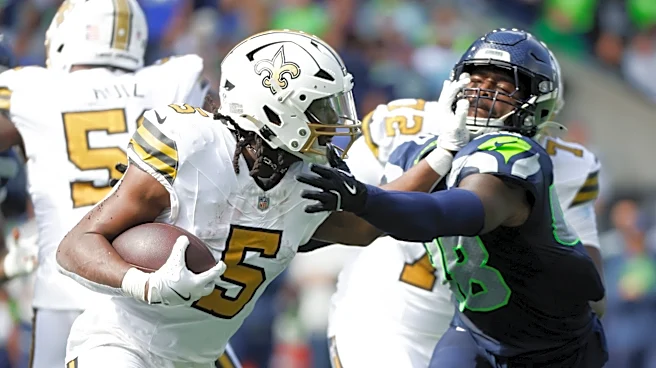
backfield options. Carlson, a former first-team All-Pro, joined the Saints in August after eight seasons with the Oakland/Las Vegas Raiders. Despite his strong career record, which included converting 225 of 259 field goal attempts and 244 of 255 extra-point attempts, his performance with the Saints this season did not meet expectations, jeopardizing his position. The team had already started evaluating other kicking options, with Charlie Smyth being considered as a potential replacement. Head coach Kellen Moore indicated that the coaching staff would assess the situation before the upcoming game against the Cleveland Browns. Carlson's departure paves the way for Smyth to potentially resume kicking duties, though the Saints' final decision will depend on future roster adjustments. Estime, a 2024 fifth-round draft pick, returns to the Saints after being placed on injured reserve in September and subsequently reaching an injury settlement on September 22. He initially entered the NFL with the Denver Broncos before joining New Orleans.
Why It's Important?
This roster shake-up is significant for the New Orleans Saints as it directly addresses two critical areas: special teams and offensive depth. The inconsistency in kicking performance, as evidenced by Daniel Carlson's struggles, can directly impact game outcomes, particularly in close contests. A reliable kicker is crucial for converting scoring opportunities and maintaining momentum. By releasing Carlson, the Saints are signaling a clear intent to improve their special teams unit, which could lead to more consistent scoring and fewer missed points. The return of Audric Estime provides the Saints with additional depth in the running back position. In the demanding NFL season, having multiple capable running backs is essential for managing injuries, maintaining fresh legs, and diversifying offensive strategies. Estime's re-signing could offer a much-needed spark to the running game, potentially improving the team's offensive efficiency and overall competitiveness. These moves reflect a strategic effort by the Saints' coaching staff to optimize their roster for better performance in the current season.
What's Next?
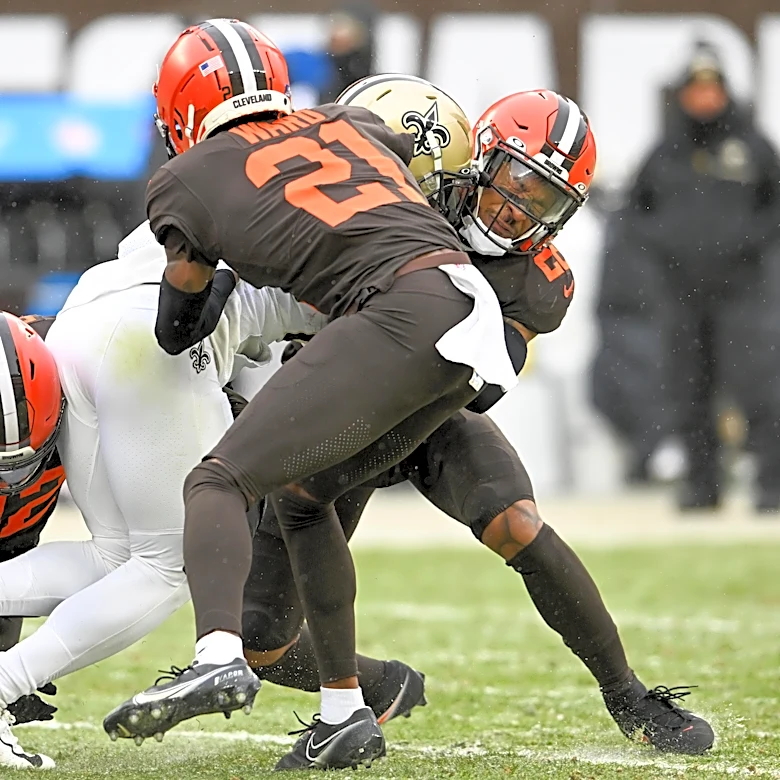
Following Daniel Carlson's release, Charlie Smyth is now positioned to potentially reclaim the kicking responsibilities for the New Orleans Saints. The team's final decision regarding the kicking position will likely be made in the coming days, possibly before their game against the Cleveland Browns, and could involve further roster moves. The coaching staff, led by Head coach Kellen Moore, will continue to evaluate the situation to ensure they have the most effective player in place. For Audric Estime, his return means he will be integrated back into the Saints' running back rotation, providing additional depth and options for the offensive scheme. His performance in practice and potential game appearances will determine his role and impact on the team's running game. These changes indicate that the Saints are actively seeking to refine their roster to improve performance in key areas as the season progresses.
Beyond the Headlines
The decision to release a veteran player like Daniel Carlson, despite his strong career statistics, underscores the high-stakes nature of professional sports and the immediate demand for performance. It highlights how even established players can quickly lose their spot if current output doesn't meet team expectations, especially in critical roles like kicking. This move also reflects a broader trend in the NFL where teams are increasingly willing to make swift personnel changes to address deficiencies, prioritizing current form over past achievements. The re-signing of Audric Estime, after an injury settlement, illustrates the complex contractual and roster management strategies employed by NFL teams. It shows how teams navigate player health, salary cap implications, and the need for depth throughout a grueling season. These types of roster adjustments can have significant psychological impacts on players, emphasizing the constant pressure to perform and adapt in a highly competitive environment.