








What's Happening?
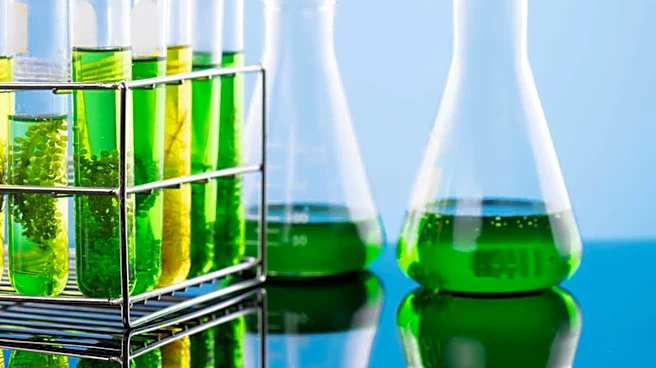
Researchers at the University of Queensland (UQ) have developed a novel recycling system that utilizes microalgae to significantly reduce the production costs of cultivated meat. This system involves growing microalgae using waste products generated during
cultivated meat manufacturing. The algae absorb and reuse leftover nutrients, which can then be processed and returned to the production system, potentially replacing expensive ingredients currently required to grow animal cells. The researchers estimate this approach could cut the cost of cell growth media by 60% to 90%. The microalgae also produce oxygen, which can support the growth of meat cells, creating a circular system where waste from one stage becomes a resource for another. This innovation addresses one of the primary challenges facing the cultivated meat industry: the high cost of nutrient-rich growth media. The findings have been published in the journal Food Research International. UQ researchers are now collaborating with Australian cultivated meat company Magic Valley to integrate this recycling system into larger production facilities.
Why It's Important?
This breakthrough has significant implications for the U.S. food industry and consumers. High production costs have been a major barrier to the widespread commercialization and affordability of lab-grown meat. By potentially reducing these costs by up to 90%, the algae-based recycling system could make cultivated meat a more economically viable and competitive alternative to traditional meat products. This could accelerate its adoption in U.S. supermarkets and restaurants, offering consumers a more sustainable and animal-friendly food option. Lowering costs could also stimulate investment and innovation within the U.S. cultivated meat sector, creating new jobs and fostering technological advancements. Furthermore, a more cost-effective and resource-efficient production method aligns with growing consumer demand for sustainable food systems and could help address environmental concerns associated with conventional livestock farming. The ability to recycle nutrients and reduce waste also enhances the overall sustainability profile of cultivated meat, making it a more attractive option for environmentally conscious consumers and businesses.
What's Next?
The UQ researchers are currently working with Magic Valley to scale up this recycling system for commercial-level production. The next steps will involve investigating how effectively the system can be integrated into much larger cultivated meat facilities and ensuring its efficiency and safety at scale. If successful, this could lead to a significant reduction in the market price of cultivated meat, making it accessible to a broader consumer base in the U.S. and globally. Regulatory bodies in the U.S. will likely continue to monitor such advancements as they consider approvals for new cultivated meat products. The success of this technology could also encourage other cultivated meat companies to explore similar circular economy approaches, potentially leading to industry-wide shifts in production practices. Further research will also likely focus on optimizing the algae strains and recycling processes to maximize efficiency and nutrient recovery.
Beyond the Headlines
Beyond the immediate economic benefits, this innovation highlights a broader shift towards circular economy principles in food production. By transforming waste into valuable resources, the system challenges traditional linear production models and promotes a more sustainable industrial ecosystem. This approach could set a precedent for other emerging food technologies, encouraging the development of closed-loop systems that minimize environmental impact and resource depletion. The ethical implications are also noteworthy; a more affordable and sustainable cultivated meat could significantly reduce the reliance on animal agriculture, addressing concerns about animal welfare and the environmental footprint of meat consumption. This technological advancement could also foster greater public acceptance of lab-grown meat by demonstrating its potential for both economic and environmental responsibility, paving the way for a future where food production is intrinsically linked with ecological stewardship and resource optimization.