



What's Happening?
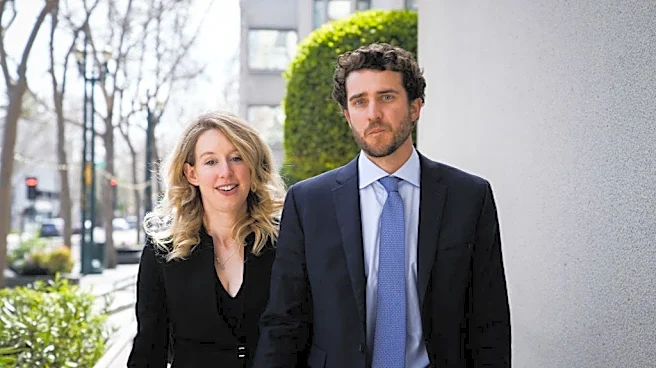
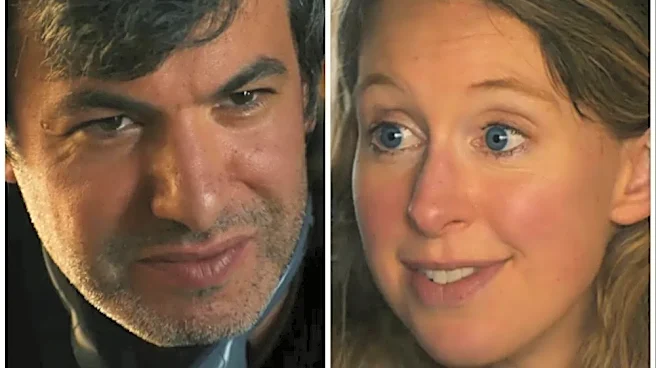
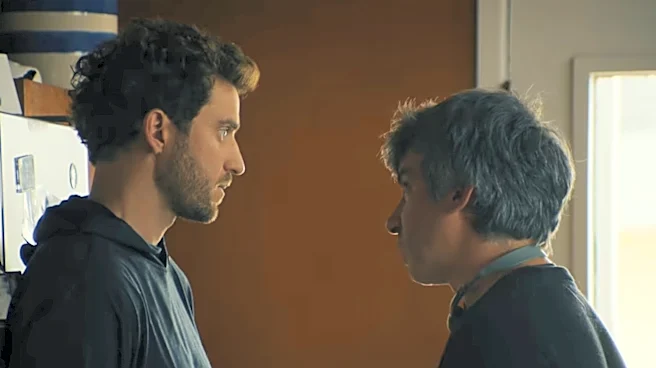
Nathan Fielder's documentary 'You Can See Everything' has become a global pop culture phenomenon since its September premiere at the Telluride Film Festival. The 174-minute film, which opened in the UK on November 20, follows Fielder as he moves into
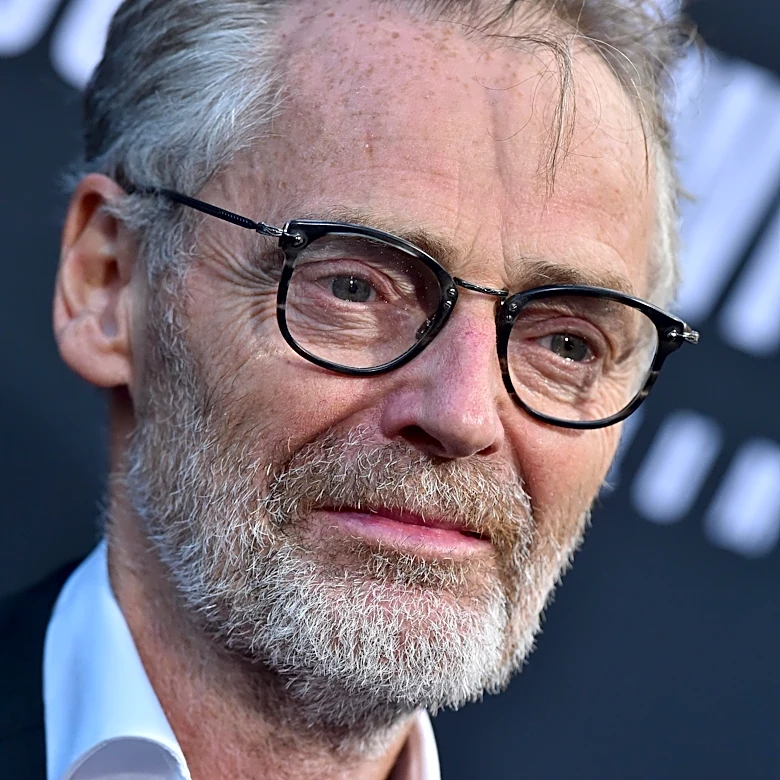
the home of Elizabeth Holmes, the disgraced founder of Theranos, for the final 34 days before she began her prison sentence in 2023. Made for $7 million, the film has grossed over $81 million at the U.S. box office. Fielder, known for his unconventional and often absurd docuseries like 'Nathan For You' and 'The Rehearsal,' is praised for his unique approach that blurs the lines between reality and performance. The film's Q&A sessions in London attracted notable figures like Kate Moss and Margaret Qualley, highlighting its cultural impact.
Why It's Important?
Nathan Fielder's 'You Can See Everything' is significant for its innovative approach to documentary filmmaking, challenging traditional notions of reality and truth in media. Its commercial success, coupled with critical acclaim, demonstrates a growing audience appetite for unconventional narratives that push artistic boundaries. Fielder's method, characterized by obsession and escalation, often demolishes societal and ethical norms, prompting viewers to question what is real and what is constructed. This film's ability to generate both significant box office revenue and high-level cultural discourse, attracting figures from various artistic fields, underscores its profound impact on contemporary pop culture and the evolving landscape of documentary as an art form.
What's Next?
The success of 'You Can See Everything' is likely to further solidify Nathan Fielder's status as a unique and influential filmmaker. His nonconformist style may inspire other documentarians to experiment with form and narrative, potentially leading to a new wave of genre-bending documentaries. The film's potential for Academy Award recognition, despite its unconventional nature, could also challenge the traditional categories for documentaries and feature films. Fielder's future projects will be highly anticipated, as he continues to explore the human need for certainty and order through his distinctive lens, ensuring his continued relevance in both television and cinema.
Beyond the Headlines
Nathan Fielder's work, particularly 'You Can See Everything,' delves into deeper implications concerning media literacy and the consumption of reality in the digital age. By blurring the lines between documentary and staged reality, Fielder forces audiences to critically examine the authenticity of what they consume. This approach raises ethical questions about manipulation and the responsibilities of filmmakers when portraying real-life subjects. The film's exploration of Elizabeth Holmes's final days before imprisonment also touches on themes of public perception, accountability, and the human element behind high-profile scandals. Fielder's unique 'process' serves as a commentary on our collective desire for certainty and the often-absurd lengths people go to achieve it, making his work a mirror to contemporary society.