





What's Happening?
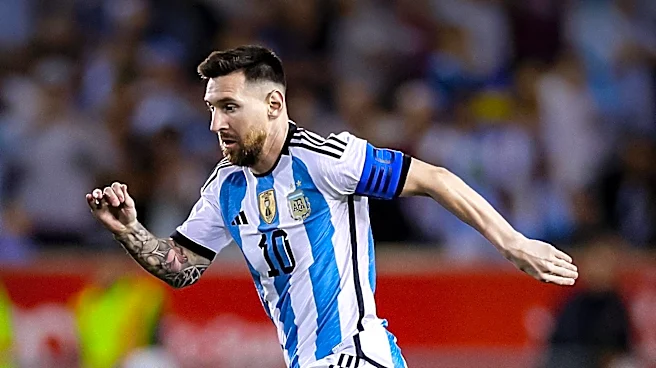
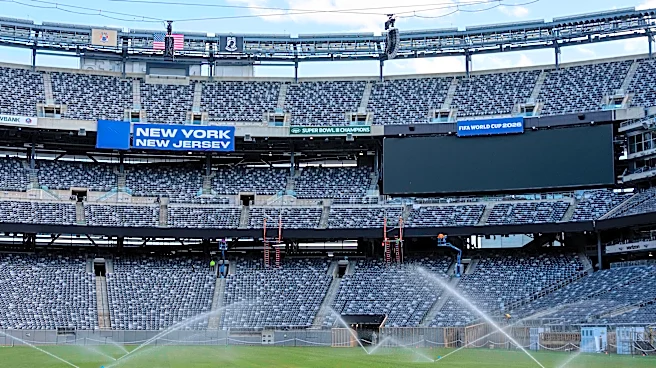
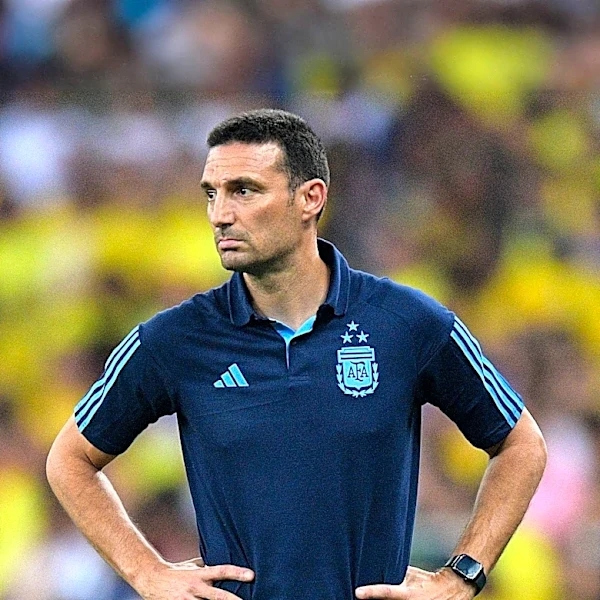
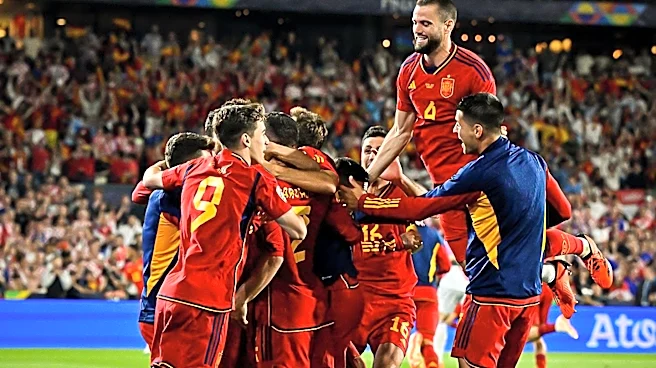
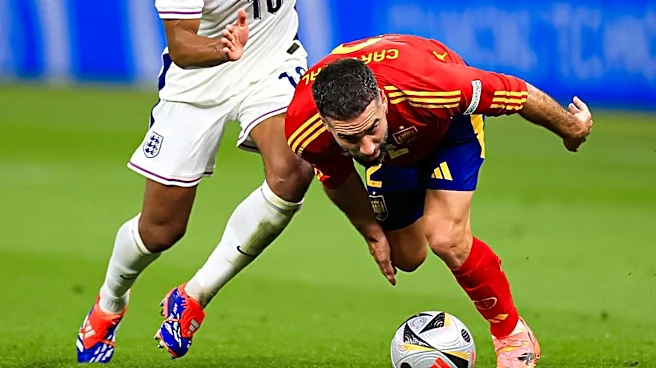
The FIFA World Cup final is set to take place at MetLife Stadium in New Jersey, featuring a highly anticipated match between Spain and Argentina. This marks the culmination of a summer filled with World Cup excitement across North America. Spain, led by
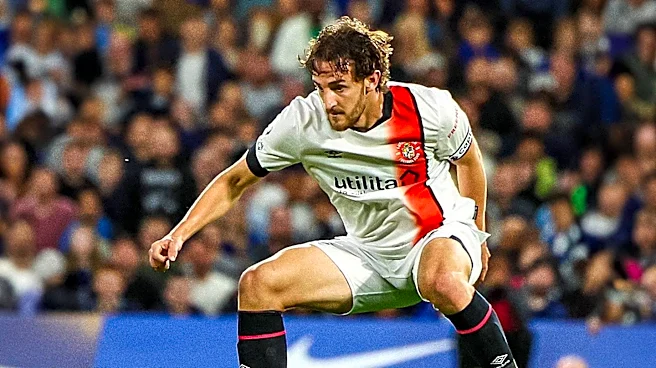
19-year-old Lamine Yamal, has had an impressive run, defeating top-ranked teams like Portugal, Belgium, and France to reach the final. Meanwhile, Argentina, with the legendary Lionel Messi, aims to secure another World Cup title following their 2022 victory. The match is expected to draw a crowd of 80,000, with ticket prices soaring on secondary markets. Both teams have shown remarkable performances, with Spain conceding only one goal throughout the tournament and Argentina making dramatic comebacks in their knockout games.
Why It's Important?
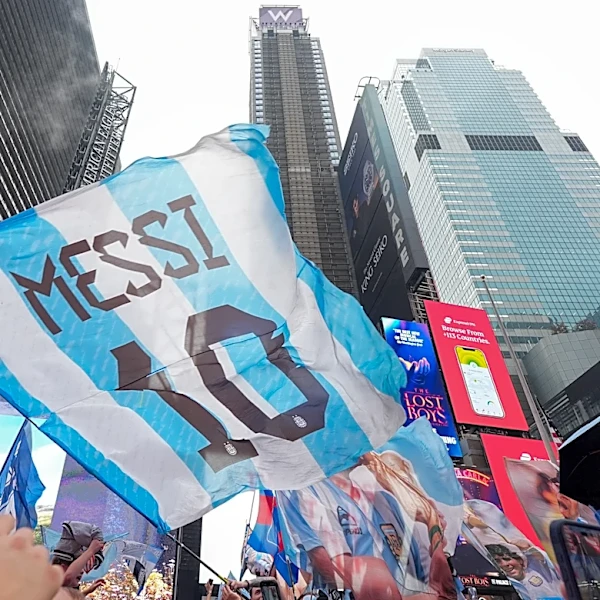
This World Cup final is significant as it highlights the global appeal and competitive nature of international football. For Spain, a victory would signify the rise of a new generation of talent, exemplified by Yamal's emergence as a key player. For Argentina, winning would reinforce their dominance in international football, further cementing Messi's legacy as one of the greatest players in history. The event also underscores the growing popularity of soccer in the United States, with the final being held in a major U.S. stadium and attracting significant attention from American fans. The match serves as a cultural bridge, bringing together diverse fan bases and showcasing the sport's unifying power.
What's Next?
Following the final, the focus will shift to the future of both teams. Spain will look to build on their young talent and continue their upward trajectory in international football. Argentina, depending on the outcome, may face questions about Messi's future with the national team, as speculation about his retirement continues. The outcome of the match could influence the strategies and player selections for both teams in upcoming international competitions. Additionally, the success of the World Cup in North America may lead to increased investment and interest in soccer within the region, potentially impacting the development of the sport in the U.S.