






What's Happening?
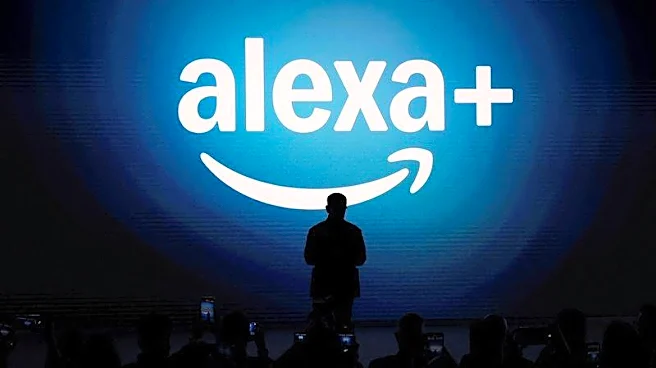
Amazon has announced a significant leadership change within its Alexa unit, with Daniel Rausch, a 17-year company veteran and Vice President of Alexa and Echo for over three years, set to depart next month. This announcement closely follows the launch
of Amazon's first tablets integrating the voice assistant, indicating a strategic realignment within the company's voice business. The reshuffling suggests Amazon is re-evaluating its approach to the Alexa ecosystem and its broader smart home device strategy. Smart speakers and assistants are central to controlling connected devices via voice commands, offering convenience and control over smart home devices. These devices, including smart speakers, security cameras, video doorbells, and smart lighting, are often highlighted during sales events like Black Friday, making their strategic direction crucial for market positioning. The departure of a key leader like Rausch signals a potential shift in how Amazon plans to innovate and compete in the rapidly evolving voice-controlled technology sector.
Why It's Important?
The leadership reshuffle in Amazon's Alexa unit is important because it signals a potential strategic pivot for one of the leading players in the voice-controlled device market. Alexa has been a cornerstone of Amazon's smart home ecosystem, and changes at the top can influence product development, market strategy, and competitive positioning. The timing, coinciding with new product launches, suggests a proactive effort to adapt to market demands and technological advancements. This could impact consumers by altering the features, integration capabilities, and overall user experience of future Alexa-enabled devices. For the broader tech industry, Amazon's strategic adjustments in the voice assistant space often set trends and influence competitors, potentially leading to new innovations or shifts in market focus. The smart home market, which includes devices like smart speakers, security cameras, and lighting, is a significant growth area, and Amazon's direction will have ripple effects on manufacturers, developers, and retailers involved in this sector.
What's Next?
Following the departure of Daniel Rausch, Amazon is expected to announce new leadership for its Alexa unit, which will likely bring a fresh perspective to the development and market strategy of its voice assistant technology. The company will need to articulate its vision for Alexa's future, especially as it integrates the assistant into new product categories like tablets. This strategic realignment could lead to enhanced features, improved device integration, or new partnerships aimed at expanding Alexa's utility and market reach. Competitors in the voice assistant and smart home markets will closely monitor Amazon's next moves, potentially adjusting their own strategies in response. Consumers can anticipate new product announcements and updates to existing Alexa-enabled devices, which may include advancements in voice recognition, smart home automation, and privacy features. The long-term success of Alexa will depend on how effectively Amazon navigates this leadership transition and adapts to the evolving landscape of artificial intelligence and smart home technology.
Beyond the Headlines
The leadership change at Amazon's Alexa unit extends beyond immediate product strategies, touching upon the broader evolution of human-computer interaction and the role of voice technology in daily life. The departure of a long-standing leader like Daniel Rausch could signify a deeper re-evaluation of Alexa's core mission and its integration into Amazon's wider ecosystem. This shift might reflect a growing industry trend towards more sophisticated AI-driven interfaces that move beyond simple command-and-control functions to more predictive and personalized interactions. Ethical considerations around data privacy, voice data collection, and the pervasive nature of always-on listening devices will likely remain central to public discourse and regulatory scrutiny, influencing Amazon's future development choices. The strategic realignment could also explore new revenue models for Alexa, potentially moving beyond hardware sales to subscription-based services or more integrated advertising, thereby reshaping the economic landscape of the voice assistant market.