









What's Happening?
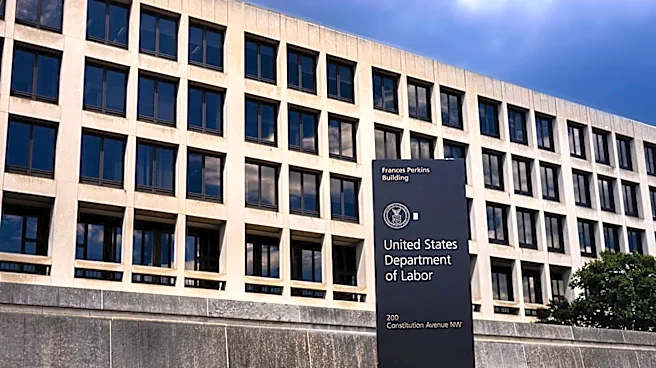
The U.S. Department of Labor (DOL) has been pivotal in shaping the regulatory framework for defined contribution (DC) plans, such as 401(k) plans, which have become a staple in the private sector. These plans have seen significant growth, with nearly
70% of private-sector workers having access to them, accumulating almost $14 trillion in assets. The DOL's regulations ensure that employers offer a diversified menu of investment options, including at least three core diversified funds. However, the DOL's stance on including alternative assets like cryptocurrency and private equity in these plans has fluctuated between administrations. Under President Trump, the DOL rescinded previous guidance that cautioned against these investments, reflecting a shift towards allowing more diverse investment options.
Why It's Important?
The regulatory changes by the DOL have significant implications for both employers and employees. For employers, the ability to offer a broader range of investment options can enhance the attractiveness of their retirement plans, potentially aiding in employee retention and satisfaction. For employees, these changes could mean greater opportunities for portfolio diversification, potentially leading to higher returns. However, the inclusion of complex assets like private equity and cryptocurrency also introduces higher risks and requires careful consideration by plan fiduciaries to avoid potential liabilities. The evolving regulatory landscape underscores the importance of staying informed about compliance requirements and the potential impacts on retirement savings.
What's Next?
As the regulatory environment continues to evolve, employers and plan fiduciaries must remain vigilant in monitoring changes and adapting their investment offerings accordingly. The DOL's proposed rules emphasize a thorough analysis of investment options, suggesting that future guidance may continue to focus on ensuring prudent investment decisions. Stakeholders should anticipate further discussions and potential legal challenges regarding the inclusion of alternative assets in retirement plans, as well as ongoing debates about the role of Environmental, Social, and Governance (ESG) factors in investment decisions.