
What's Happening?
The bond market is currently navigating a complex and uncertain landscape, moving away from what was once considered an 'easy money' environment. Several factors are contributing to this shift, including
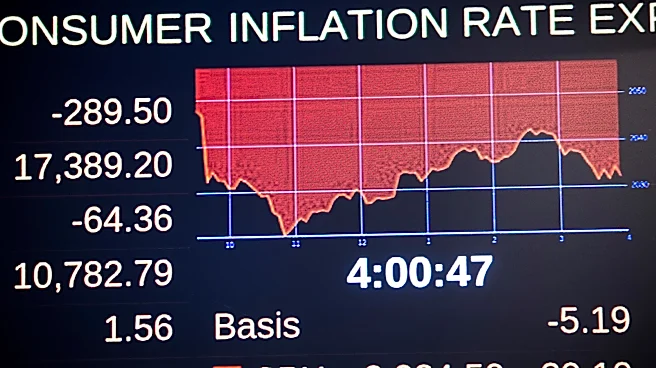
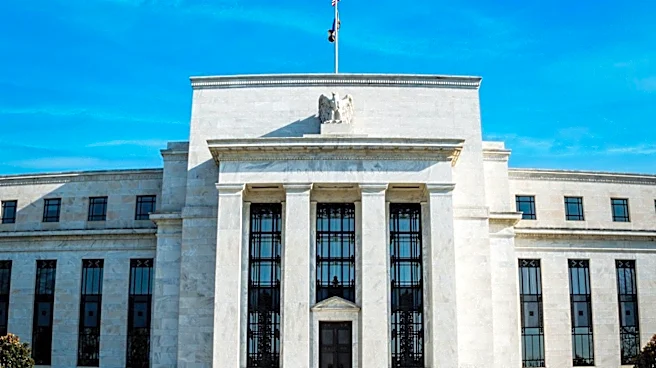
persistent inflation, a less transparent Federal Reserve, heightened geopolitical risks, and growing fiscal pressures. Inflation, while down from post-pandemic highs, remains above the Fed’s 2% target, suggesting that interest rates could stay elevated longer than anticipated. The Federal Reserve, under new Chair Kevin Warsh, is scaling back forward guidance, leading to less clarity for markets regarding future interest rate movements. Geopolitical events, such as conflicts in the Middle East, are disrupting energy markets and trade routes, further complicating the economic outlook. Additionally, years of persistent U.S. fiscal deficits have led to increased national debt, making it more expensive to finance and raising questions about investor demand for significant Treasury issuance.
Why It's Important?
This evolving bond market environment has significant implications for U.S. investors and the broader economy. The combination of persistent inflation and reduced Fed transparency means that traditional bond strategies may need to be re-evaluated. Investors face a wider range of potential outcomes for interest rates and credit spreads, increasing the need for flexible and active management approaches. The rising cost of financing the U.S. national debt due to higher interest rates could strain government budgets and potentially impact future fiscal policy decisions. Furthermore, the interplay between higher energy prices from geopolitical tensions and potential economic slowdowns creates a challenging environment for forecasting, affecting corporate earnings, consumer spending, and overall economic stability. This complexity underscores the importance of diversified and adaptable investment strategies to navigate potential volatility.
What's Next?
In this uncertain environment, bond investors and financial professionals will likely need to adopt more flexible strategies. Active managers may adjust duration, move across different sectors, and selectively take on credit risk to respond to changing conditions rather than relying on single macroeconomic forecasts. The market will continue to closely monitor inflation data, economic news, and any signals from the Federal Reserve, despite reduced forward guidance. The ongoing geopolitical landscape and its impact on global trade and energy prices will also be critical factors influencing bond market performance. The U.S. government's approach to managing its fiscal deficits and debt will be under scrutiny, as continued borrowing and significant Treasury issuance could influence longer-term yields independently of the Fed's short-term rate decisions. Investors should prepare for a period of increased volatility and a wider range of potential outcomes in fixed income.
Beyond the Headlines
The shift in the bond market reflects a broader recalibration of economic expectations and risk perceptions. The move away from explicit forward guidance by the Federal Reserve could signal a return to a more traditional, less predictable monetary policy approach, potentially increasing market uncertainty but also fostering greater market-driven price discovery. The persistent fiscal deficits and the growing national debt raise long-term questions about the sustainability of U.S. public finances and the potential for future inflationary pressures or fiscal austerity measures. This environment could also accelerate the adoption of more sophisticated risk management techniques and a greater emphasis on fundamental analysis over reliance on central bank guidance. The interconnectedness of global events, from geopolitical conflicts to supply chain disruptions, highlights the need for investors to consider a holistic view of risk that extends beyond domestic economic indicators.