


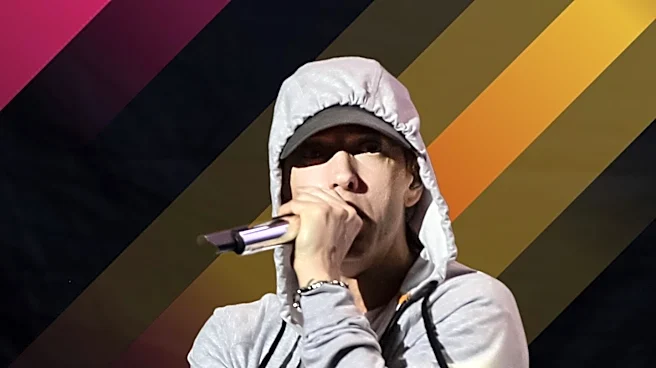
What's Happening?
Electronic dance music, commonly known as EDM, is an overarching term that encompasses a wide array of electronic music styles. It is not a singular genre but rather a category of dance music characterized by its reliance on rhythm, sound design, and
specific music production techniques. This broad category includes various distinct styles such as house, techno, trance, dubstep, drum and bass, and hardstyle. These styles, while all falling under the EDM umbrella, can sound significantly different from one another, even when sharing similar tempos or festival stages. The evolution of EDM genres can be traced back to influences from disco, funk, and early electronic acts from the 1970s, gaining substantial popularity in the 1980s with the advent of electronic instruments like synthesizers and drum machines.
Why It's Important?
Understanding EDM as a broad category rather than a single genre is crucial for both the music industry and consumers. For the industry, this distinction highlights the diverse market segments within electronic music, allowing for more targeted marketing, festival programming, and artist development. It also underscores the continuous innovation and evolution within the electronic music landscape, preventing stagnation by encouraging the development of new subgenres and fusions. For consumers, recognizing the variety within EDM enhances their appreciation and engagement with the music, enabling them to explore different styles and find what resonates with their preferences. This nuanced understanding can also influence cultural trends, as different EDM subgenres often correlate with distinct fashion, social gatherings, and lifestyle choices, shaping broader youth culture and entertainment industries.
What's Next?
The continuous evolution of EDM suggests that new subgenres and fusions will likely emerge, further diversifying the landscape. DJs and producers are expected to continue blending different styles, leading to innovative sounds that challenge traditional genre boundaries. This dynamic environment will likely influence mainstream pop music, as elements from various EDM genres are often incorporated into popular tracks. Festivals and clubs will continue to be key platforms for showcasing these evolving sounds, with organizers adapting their lineups to reflect current trends and introduce new artists. Additionally, the increasing accessibility of music production tools may lead to a surge in independent artists experimenting with and contributing to the ever-expanding world of electronic dance music.
Beyond the Headlines
The classification of EDM as a broad category rather than a single genre reflects a larger trend in contemporary music where traditional genre boundaries are becoming increasingly fluid. This fluidity challenges conventional music categorization systems and encourages a more open-minded approach to musical expression and consumption. Ethically, it promotes inclusivity by acknowledging the diverse origins and influences within electronic music, from its roots in disco and funk to its global proliferation. Culturally, EDM festivals and events have become significant social phenomena, fostering communities and influencing fashion, art, and technology. The continuous blending and reinterpretation of styles within EDM also highlight the cyclical nature of musical trends, where older sounds are often revisited and reimagined with new production techniques, ensuring the genre's ongoing relevance and innovation.