



What's Happening?
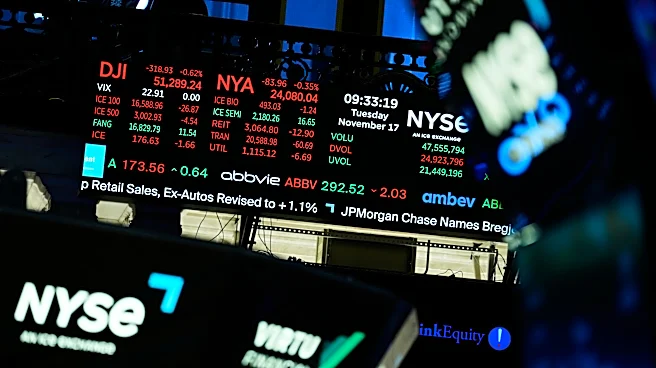
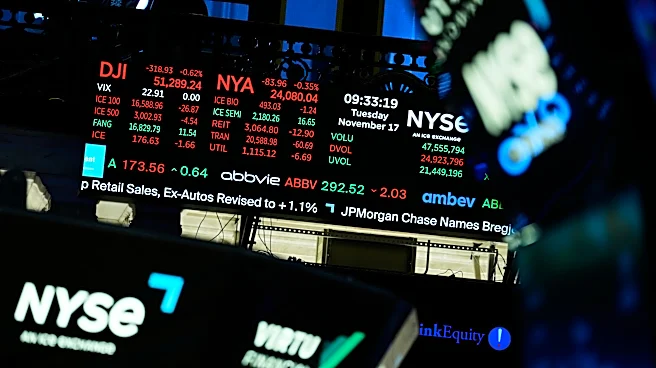
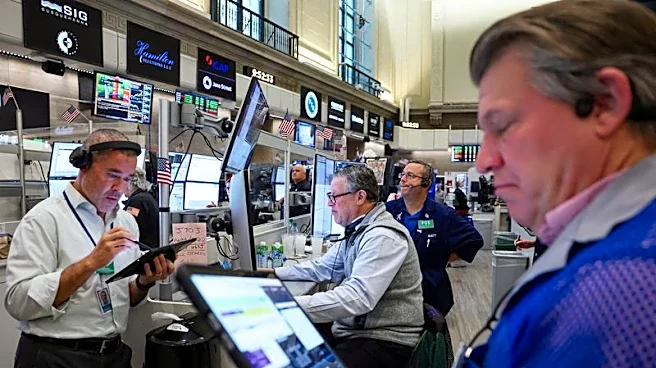
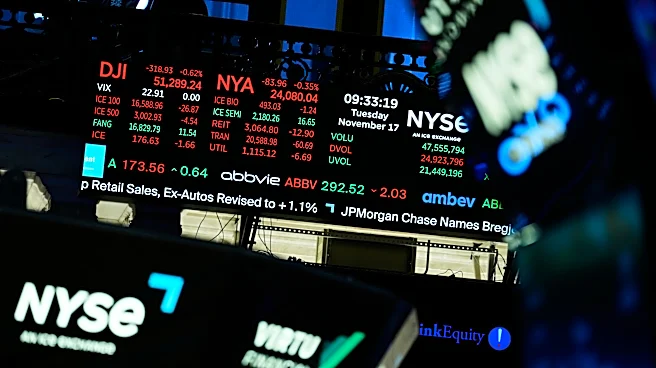
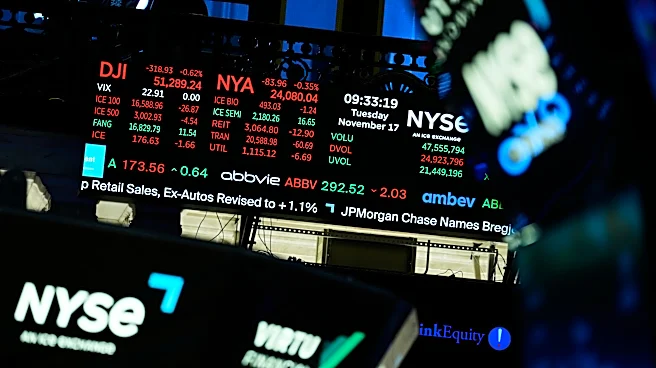
Wall Street is bracing for a series of key economic data releases on November 25, 2026, following a significant AI-linked market sell-off on Friday, November 20. The Dow Jones Industrial Average and S&P 500 entered correction territory, and the Nasdaq
Composite erased its gains for the year. The Cboe Volatility Index surged above 30, reaching levels last seen in March. The upcoming economic calendar includes preliminary November manufacturing and services purchasing managers’ indexes on Monday, November 23; November consumer confidence on Tuesday, November 24; and core PCE inflation, personal spending and income, third-quarter GDP estimates, and initial jobless claims on Wednesday, November 25. These figures are crucial ahead of the Federal Reserve’s December 9 meeting.
Why It's Important?
The upcoming economic data releases are critical for determining the market's direction and the Federal Reserve's monetary policy. A cooler inflation reading could alleviate concerns about a potential half-percentage-point rate increase, which would be a significant relief for investors and businesses. Conversely, persistent inflation could lead to further market instability. The current market conditions, characterized by oversold indicators, suggest a potential for a rebound, but strategists warn against interpreting such a rebound as a definitive recovery. The shift in investor sentiment towards more selective AI investments, prioritizing sustainable earnings and free cash flow, indicates a maturing market perspective that could influence capital allocation across the U.S. economy.
What's Next?
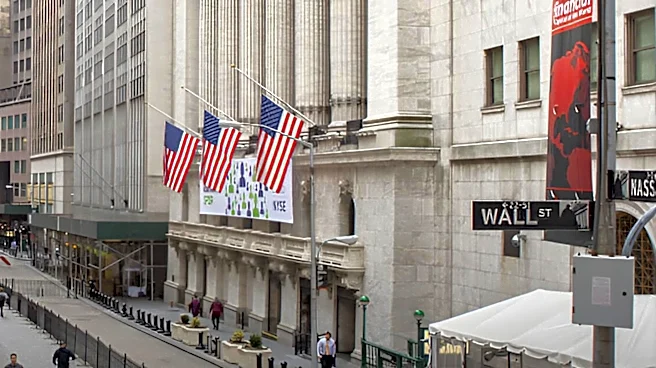
The immediate focus is on the November 25 economic releases, particularly the core PCE inflation data, which will heavily influence expectations for the Federal Reserve's December 9 meeting. While some indicators suggest the market is oversold and due for a bounce, strategists like Katie Stockton of Fairlead Strategies advise caution, recommending against new long positions. Jay Woods of Freedom Capital Markets also warns that relief rallies can occur within downtrends. The shortened trading week due to Thanksgiving, with the New York Stock Exchange closed on Thursday and closing early on Friday, will also impact market liquidity and trading volumes. Investors will be closely watching for signs of economic stabilization or further deterioration.
Beyond the Headlines
The current market turbulence reflects a broader re-evaluation of the economic environment, moving beyond the initial enthusiasm for AI. The sell-off has been influenced by a confluence of factors, including elevated oil prices, rising interest rates, increasing corporate debt, persistent inflation, supply chain disruptions, and a weakening consumer. This complex interplay of economic forces suggests that the market's challenges are multifaceted and not solely tied to the performance of the AI sector. The emphasis on sustainable earnings and free cash flow for AI investments indicates a more disciplined approach to growth, potentially signaling a long-term shift in investment criteria across the technology sector and beyond, impacting innovation and capital deployment in the U.S.