





What's Happening?
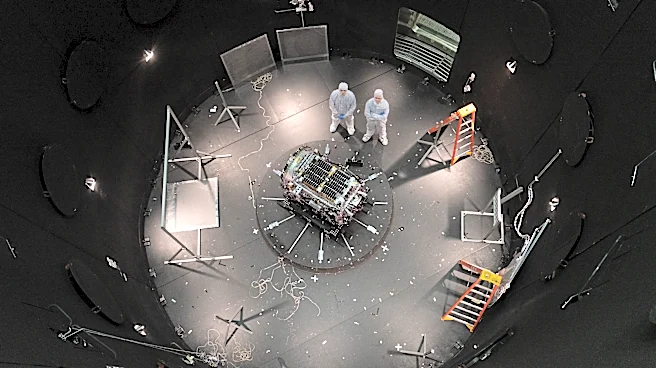
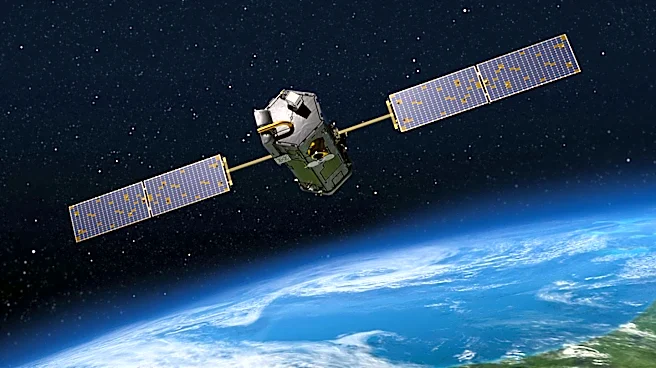
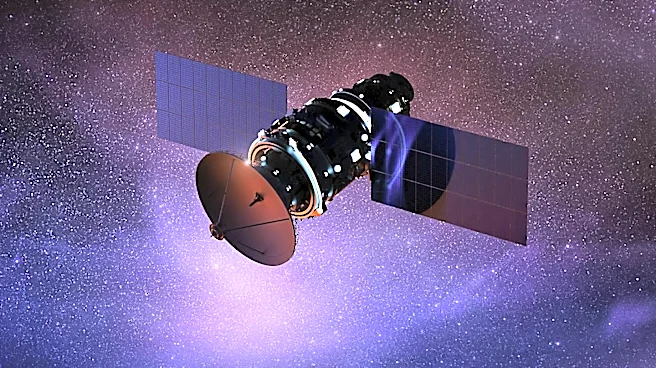
Katalyst Space Technologies has successfully launched a pioneering commercial mission to reboost the orbit of NASA's Swift astronomy satellite. The mission, known as the Swift Boost Mission, was executed using the Link servicing satellite, which was launched aboard
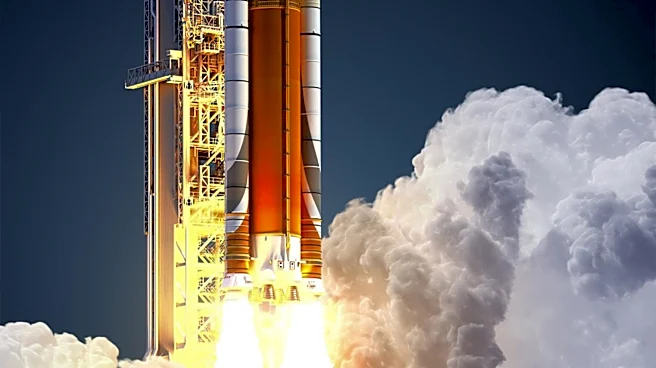
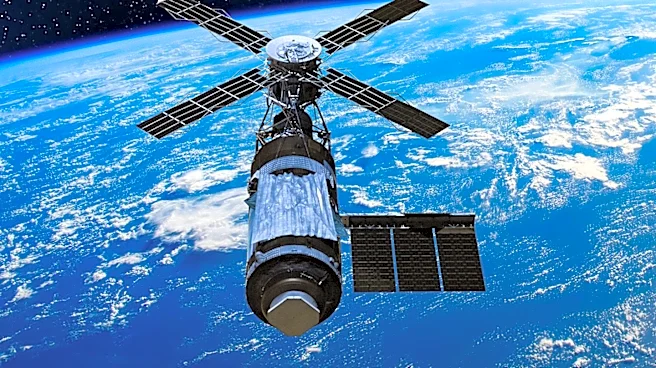
a Northrop Grumman Pegasus XL rocket. The rocket was deployed from a modified L-1011 jetliner over the Pacific Ocean. This mission faced delays earlier in the week due to adverse weather conditions and technical issues but ultimately achieved its goal. The Link satellite will now spend several weeks approaching the Swift observatory to raise its altitude, thereby extending its operational life. This mission marks a significant milestone as it is the first commercial robotic servicing of an uncrewed NASA spacecraft not originally designed for in-orbit maintenance.
Why It's Important?
The successful reboost of the Swift observatory by Katalyst Space Technologies represents a significant advancement in commercial satellite servicing. This mission could pave the way for broader adoption of similar servicing missions, potentially reducing costs associated with satellite replacement and maximizing the returns on existing space infrastructure. The ability to extend the lifespan of satellites through commercial servicing could have substantial implications for both government and private satellite operators, offering a cost-effective solution to maintain and enhance satellite capabilities. This development also highlights the growing role of private companies in space operations, which could lead to increased innovation and competition in the space industry.
What's Next?
Following the successful reboost of the Swift observatory, Katalyst Space Technologies may look to expand its commercial servicing operations to other satellites. This could involve collaborations with both government agencies and private companies seeking to extend the operational life of their satellite fleets. The success of this mission may also encourage other companies to invest in similar technologies, potentially leading to a more robust market for satellite servicing. Additionally, the mission's success could prompt discussions within NASA and other space agencies about the potential for future collaborations with commercial entities for satellite maintenance and servicing.