






What's Happening?
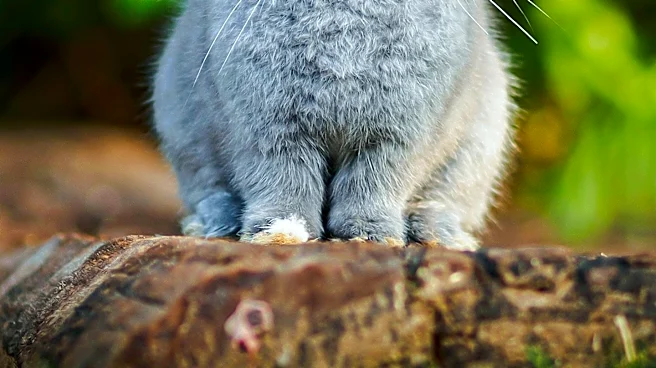
Dark gray rabbits, which can appear almost black, are inspiring a variety of dramatic and mysterious names for pets. These names often draw from elements associated with darkness, such as gemstones, birds, and times of day. Examples include Onyx, Raven,
Midnight, Shadow, Ebony, Nox, Jet, Coal, Sable, Crow, Panther, Night, Ink, and Noir. The selection of a name can also be influenced by the rabbit's personality, with a mysterious name being particularly fitting for a bunny that enjoys hiding and making sudden appearances. Beyond color, names can also be chosen based on a rabbit's behavior, such as playful, curious, or gentle, or even inspired by food, mythology, or fictional characters. The process of naming a rabbit is encouraged to be a fun and personal experience, with no strict rules, allowing owners to choose a name that resonates with them and their pet.
Why It's Important?
The trend of selecting specific and evocative names for pets, particularly rabbits, reflects a broader cultural shift towards anthropomorphizing animals and integrating them more deeply into family life. This practice highlights the emotional bond between humans and their pets, where names are not merely labels but expressions of affection and personality. For pet owners, choosing a name that accurately reflects their rabbit's appearance or demeanor can enhance their connection and enjoyment of pet ownership. This emphasis on personalized naming also contributes to the growing pet care industry, as owners seek out unique ways to celebrate their companions. Furthermore, the detailed categorization of names, such as 'Black Gray Rabbit Names,' indicates a niche market for pet naming resources, demonstrating the demand for tailored suggestions that go beyond generic options.
What's Next?
As pet ownership continues to grow, particularly for smaller animals like rabbits, the demand for creative and personalized naming conventions is likely to increase. This could lead to the development of more specialized naming tools and resources, potentially incorporating AI-driven suggestions based on pet characteristics or owner preferences. The trend may also influence pet product branding, with companies potentially using popular or thematic names to market their items. Additionally, the focus on a pet's personality in naming could encourage more observational and interactive approaches to pet care, fostering deeper understanding and engagement between owners and their animals. The ongoing evolution of pet naming practices will likely mirror broader societal trends in personal expression and the human-animal bond.
Beyond the Headlines
The act of naming a pet, especially with such specific and descriptive terms, delves into the psychological aspects of human-animal interaction. It reflects a desire to imbue pets with human-like qualities and to create a narrative around their existence. The choice of a 'dark and mysterious' name for a rabbit, for instance, can project certain perceptions onto the animal, influencing how owners and others interact with it. This practice can also serve as a form of creative expression for owners, allowing them to explore themes and aesthetics through their pet's identity. Ethically, while generally harmless, it underscores the power dynamics in pet ownership, where humans assign identities to creatures that cannot choose their own. Culturally, the variety of names, from mythological to food-inspired, showcases the diverse influences that shape contemporary pet naming, reflecting a blend of tradition, pop culture, and personal sentiment.