






What's Happening?
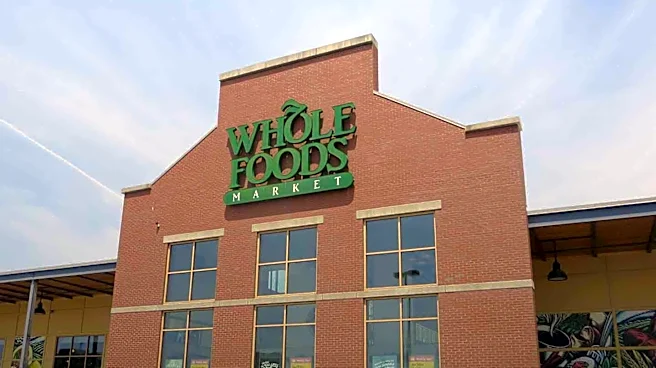
Amazon is set to invest over $230 million to enhance pay and benefits for more than 100,000 Whole Foods Market employees across the U.S. This investment will result in average store associate wages increasing to over $21 an hour starting September 28.
When combined with elected benefits, the total hourly compensation will exceed $29 an hour. Eligible full-time employees will have access to health plans starting at $5 a week in January 2027, which include company-paid short- and long-term disability insurance, and care navigation for cancer, fertility, and family-building. These benefits will largely begin on an employee's first day. Additionally, fully paid parental leave will be increased to up to 20 weeks for birthing parents and up to six weeks for supporting and adoptive parents. Part-time employees working at least 20 hours a week will also become eligible for dental and vision coverage and basic life insurance. The company will also roll out its Career Choice education program to Whole Foods workers next year, funding full college tuition, high school diplomas, GEDs, and English as a Second Language (ESL) proficiency certifications for frontline workers. Other perks include free Amazon Prime memberships and reduced-cost prescriptions through Amazon Pharmacy.
Why It's Important?
This significant investment by Amazon in Whole Foods employee compensation and benefits is important for several reasons. It could set a new standard for employee benefits within the grocery and retail sectors, potentially pressuring other companies to improve their offerings to attract and retain talent. For Whole Foods employees, the increased wages and expanded benefits, including comprehensive health coverage and parental leave, represent a substantial improvement in their financial well-being and work-life balance. The introduction of the Career Choice education program also provides a pathway for career advancement and skill development, which can lead to long-term economic mobility for workers. From a broader economic perspective, higher wages and better benefits can boost consumer spending and contribute to a stronger economy. This move also reflects Amazon's strategy to strengthen its position in the competitive grocery market by investing in its workforce, which can lead to improved customer service and operational efficiency. The investment highlights the ongoing debate about fair wages and benefits in the retail industry and could influence future labor practices across the U.S.
What's Next?
The immediate next steps involve the implementation of these new benefits and pay increases. The average store associate wage will rise to over $21 an hour starting September 28, 2026. Eligible full-time employees will be able to sign up for new health plans in January 2027. The Career Choice education program will be rolled out to Whole Foods workers next year. It is likely that other major grocery chains and retailers will closely observe the impact of these changes on employee morale, retention, and overall business performance. There could be increased pressure on competitors to review their own compensation and benefits packages to remain competitive in the labor market. This move might also influence discussions around minimum wage and worker benefits at a policy level, potentially leading to renewed calls for similar improvements across various industries. Amazon's continued investment in Whole Foods, including the development of over 100 additional store locations, suggests a long-term commitment to expanding its grocery footprint, supported by a more robust and satisfied workforce.
Beyond the Headlines
Beyond the immediate financial and benefit improvements, this investment by Amazon in Whole Foods employees carries deeper implications for the future of work and corporate responsibility. The comprehensive nature of the benefits, particularly the expanded health coverage, parental leave, and educational opportunities, suggests a shift towards a more holistic approach to employee welfare. This could challenge the traditional perception of retail jobs as low-wage and low-benefit, potentially elevating the status of frontline workers. The Career Choice program, in particular, addresses the critical need for upskilling and reskilling in a rapidly evolving job market, offering employees a path to long-term career growth beyond their current roles. This initiative could also serve as a model for other large corporations seeking to enhance their public image and attract talent in a tight labor market. Ethically, it raises questions about the role of large corporations in providing social safety nets and educational opportunities, traditionally seen as government responsibilities. Culturally, it could foster a more engaged and loyal workforce, leading to improved customer experiences and a stronger brand reputation for Whole Foods and Amazon.