







What's Happening?
A recent Spotify episode features Curtis Stone, a chef turned agricultural entrepreneur, discussing profitable urban farming. Stone highlights how urban farming can be a practical and financially viable solution for modern food systems. He emphasizes
efficiency, sustainability, and community engagement as core principles. The discussion covers various smart techniques to maximize yield in limited urban spaces, including vertical farming, aquaponics, and container gardening. Stone explains that successful urban farming extends beyond just growing food; it involves creating a sustainable business model that generates revenue while minimizing environmental impact. He delves into the economic aspects, such as startup costs, operational expenses, and diverse revenue streams like direct-to-consumer sales, restaurant partnerships, and Community Supported Agriculture (CSA) programs. The episode also touches on the importance of crop selection, recommending high-value crops like microgreens, herbs, and specialty vegetables for better margins and faster returns. Additionally, Stone provides practical advice on managing pests and diseases organically in small spaces, underscoring the environmental benefits of urban farming through soil health, composting, and water conservation.
Why It's Important?
This discussion is important for individuals and communities looking to enhance local food sovereignty and create sustainable economic opportunities within urban environments. By detailing profitable techniques and business models, Curtis Stone's insights can empower aspiring urban farmers to transform underutilized city spaces into productive agricultural ventures. The emphasis on high-value crops and efficient growing methods like vertical farming and aquaponics demonstrates how urban agriculture can be financially rewarding, challenging the perception that farming is solely a rural enterprise. Furthermore, the focus on organic methods, soil health, and water conservation aligns with broader environmental goals, contributing to reduced carbon footprints and more resilient local food systems. The episode's exploration of diverse revenue streams also highlights the potential for urban farms to integrate into local economies, fostering stronger community ties through direct sales and partnerships with local businesses, thereby creating a more localized and sustainable food supply chain.
What's Next?
Listeners inspired by Curtis Stone's insights may explore starting their own urban farming initiatives, ranging from small backyard plots to commercial ventures in vacant city lots. The episode encourages aspiring urban farmers to assess site potential, understand local regulations, and seek funding or grants. This could lead to an increase in urban agricultural projects, potentially transforming city landscapes into greener, more self-sufficient communities. Local governments and community organizations might also take cues from these discussions to support urban farming through policy, educational programs, or access to resources. As more individuals adopt these profitable and sustainable practices, there could be a growing demand for urban farming technologies, specialized equipment, and educational workshops. The continued sharing of such entrepreneurial and sustainable agricultural models could foster a movement towards more localized food production, influencing consumer choices and encouraging investment in urban green initiatives.
Beyond the Headlines
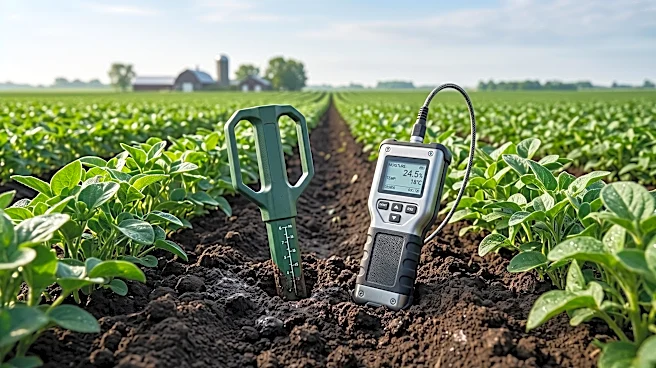
The broader implications of profitable urban farming extend beyond immediate economic gains and local food production. This movement represents a significant shift in how cities interact with their food sources, potentially reducing reliance on long-distance food supply chains and enhancing urban resilience against disruptions. Ethically, it promotes food justice by making fresh, healthy produce more accessible to urban populations, particularly in food deserts. Environmentally, widespread urban farming could lead to improved air quality, increased biodiversity, and better stormwater management within cities. Culturally, it fosters a deeper connection between urban dwellers and their food, promoting agricultural literacy and community engagement. The integration of technology, such as farm management software and IoT devices, also highlights a trend towards smart agriculture, where data-driven decisions optimize production and minimize waste. This evolution could redefine urban planning, integrating green infrastructure and food production as essential components of sustainable city development.