









What's Happening?
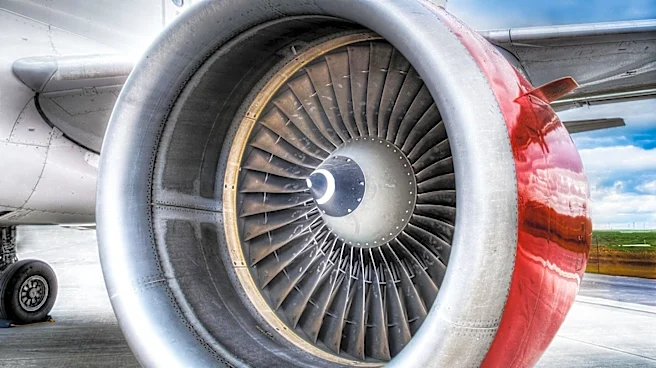
CFM International is preparing to implement an upgraded configuration of its Leap-1B engine, aiming for a full industrial switch by the first quarter of 2027. The company has achieved both engine and aircraft level certification for its Leap-1B high-pressure
turbine durability kit. This upgrade is designed to extend the engine's time on wing and includes a fuel nozzle-cooling reverse bleed system to reduce carbon deposit build-up. The system was first introduced on the Leap-1A in 2024 and has been installed on over 70% of that fleet. CFM is collaborating with Boeing to achieve aircraft level certification by the second half of the year. The Leap engine program, nearing its 10th anniversary, has accumulated nearly 100 million flight hours, with a significant increase in engine deliveries expected in 2026.
Why It's Important?
The upgrade of the Leap-1B engine is significant for the aviation industry as it promises to enhance engine durability and reduce maintenance needs, potentially lowering operational costs for airlines. This development is crucial for CFM International as it seeks to expand its market share and meet the growing demand for more efficient and reliable aircraft engines. The collaboration with Boeing and the investment in new production facilities underscore the strategic importance of this upgrade in maintaining competitive advantage. The anticipated increase in engine deliveries and the expansion of production capacity highlight the industry's recovery and growth trajectory post-pandemic.
What's Next?
CFM International plans to continue expanding its production and maintenance capabilities to support the Leap engine's growing demand. This includes new facilities in Morocco and a $1 billion investment by GE Aerospace to enhance commercial engine production. The company is also working closely with suppliers to increase capacity and support the expected ramp-up in engine production. As the aviation industry continues to recover, CFM's strategic investments and partnerships will be critical in meeting future demand and maintaining its leadership position in the market.