


What's Happening?
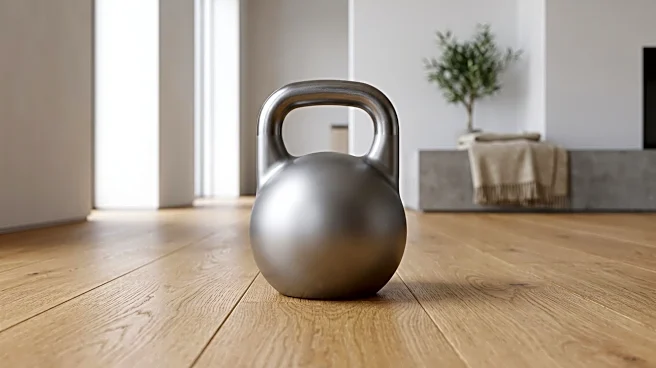
Keppi Fitness has released a guide on selecting competition kettlebells, emphasizing that these models maintain consistent external dimensions across different weights, unlike traditional cast iron kettlebells. This standardization allows users to switch
between weights (e.g., 12 kg to 24 kg) without needing to adjust to a new size, making them practical for home training. The guide advises beginners to start with kettlebells weighing 8–12 kg, intermediate users to opt for 12–16 kg, and advanced users to consider 16–24 kg. Beyond weight, Keppi Fitness highlights the importance of overall height, body diameter, and base diameter for stability and ease of handling. The material, typically steel, and the handle's comfort, diameter (around 32–35 mm), shape, and surface finish are also crucial considerations for effective and comfortable training. The guide stresses that choosing the right kettlebell involves aligning it with one's fitness level, training goals, and the specific exercises planned, rather than simply selecting the heaviest or cheapest option.
Why It's Important?
This guidance from Keppi Fitness is important for consumers looking to invest in fitness equipment, particularly kettlebells, for their home gyms or personal training. By detailing the specific characteristics of competition kettlebells, the company helps users make informed decisions that can significantly impact their workout effectiveness and safety. The emphasis on consistent sizing across weights addresses a common challenge for users who might otherwise need to adapt their technique when changing kettlebell sizes, potentially leading to inconsistent form or injury. For the fitness industry, this type of detailed product education can foster greater customer satisfaction and loyalty, as it empowers consumers to choose equipment that best suits their individual needs and progression. It also underscores the growing trend of specialized fitness equipment designed to enhance user experience and performance, moving beyond generic options to more tailored solutions for strength and endurance training.
What's Next?
As consumers become more educated about specialized fitness equipment, the demand for detailed product guides and expert recommendations is likely to increase. Manufacturers like Keppi Fitness may continue to produce more in-depth content to differentiate their products and build trust with their customer base. This trend could lead to further innovations in kettlebell design, focusing on ergonomic improvements, material science, and weight adjustability while maintaining standardized dimensions. Retailers might also adapt by offering more diverse ranges of competition kettlebells and providing in-store or online tools to help customers select appropriate weights and styles. Furthermore, as home fitness continues to be a significant market segment, the emphasis on versatile and space-efficient equipment, such as competition kettlebell sets, is expected to grow, influencing future product development and marketing strategies within the fitness industry.
Beyond the Headlines
The detailed advice on choosing competition kettlebells reflects a broader shift in the fitness landscape towards more personalized and informed training practices. Beyond the immediate benefits of selecting the right equipment, this type of guidance encourages users to think critically about their fitness journey, emphasizing proper technique and gradual progression over simply lifting heavy weights. This approach can contribute to a more sustainable and injury-free fitness lifestyle. Ethically, companies providing such comprehensive guides demonstrate a commitment to consumer well-being and education, potentially fostering a more responsible consumption culture within the fitness market. Legally, clear product specifications and usage recommendations can also help mitigate risks associated with improper equipment use. Culturally, the focus on specialized equipment for home training highlights the ongoing integration of fitness into daily life, moving beyond traditional gym settings to more accessible and personalized environments.