







What's Happening?
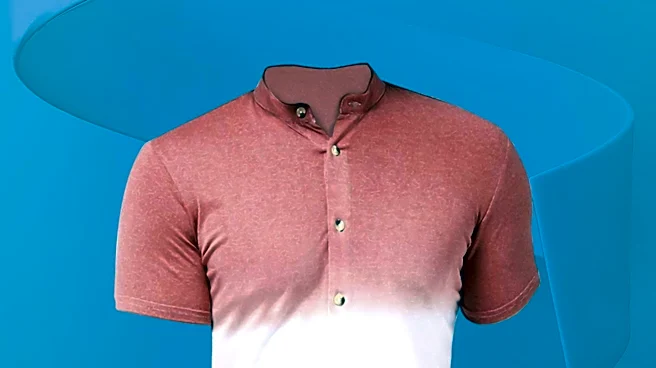
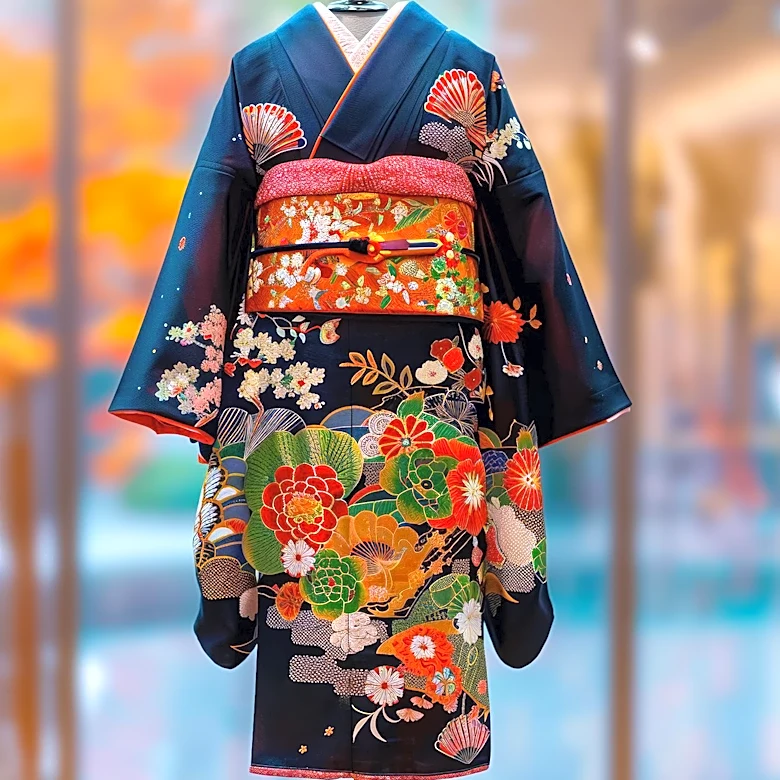
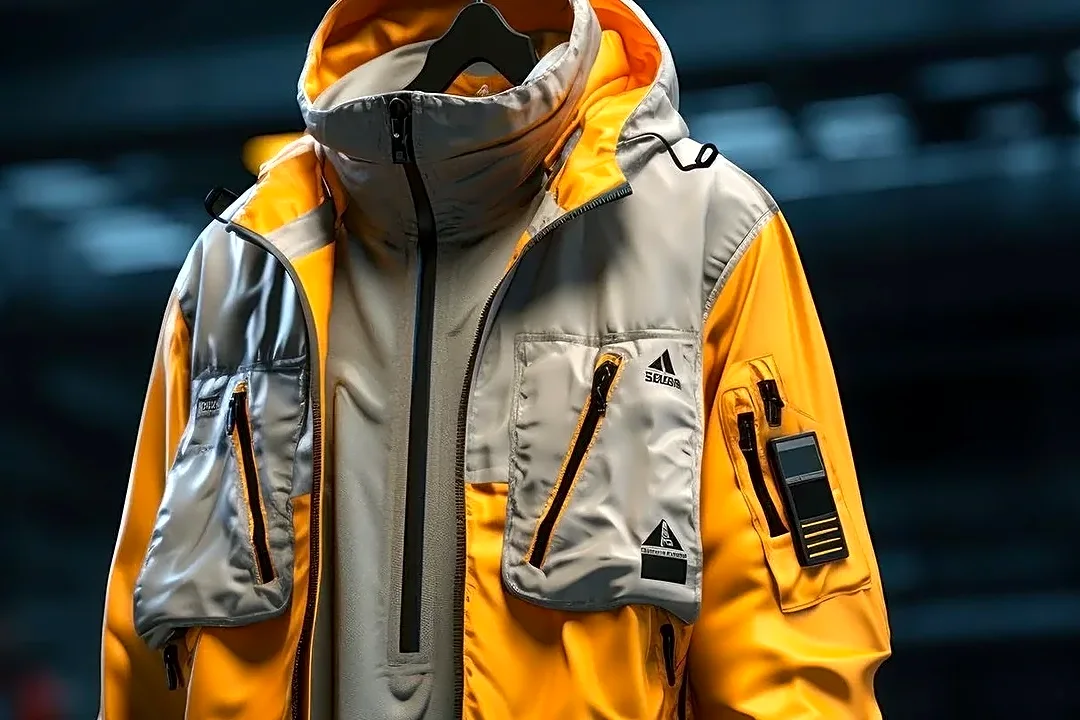
Fashion e-commerce experiences return rates exceeding 24% for apparel, largely due to a mismatch between customer expectations set by product imagery and the actual item received. When online images misrepresent aspects like fit, color, fabric, or proportion,
shoppers are more likely to return items, citing reasons such as 'not as expected.' This issue is particularly costly for retailers, as apparel is the most returned category online, incurring expenses for shipping, picking, and processing each returned item. While some returns are unavoidable, a significant portion originates from the product detail page (PDP) and is within the retailer's control. The problem highlights the critical role of high-quality, accurate, and consistent product imagery, including on-model shots from multiple angles and video, in narrowing the expectation gap and reducing avoidable returns.
Why It's Important?
The high return rates in fashion e-commerce pose a significant financial burden on U.S. retailers, impacting profitability and operational efficiency. Each return involves logistical costs, potential loss of sale, and environmental impact from increased shipping. For consumers, inaccurate imagery leads to frustration and a diminished online shopping experience, potentially eroding trust in e-commerce platforms and specific brands. This issue underscores the necessity for fashion businesses to invest in advanced visual content strategies. By providing clear, detailed, and true-to-life product representations, retailers can improve customer satisfaction, reduce operational overheads associated with returns, and enhance their brand reputation. The emphasis on video and multi-angle views also reflects evolving consumer expectations for more comprehensive product information before making a purchase.
What's Next?
Fashion e-commerce businesses are expected to increasingly prioritize and invest in sophisticated product imagery solutions to combat high return rates. This will likely involve adopting technologies that ensure color accuracy, realistic fabric textures, and precise fit representation in online visuals. The use of AI-powered tools for generating diverse on-model imagery, virtual try-ons, and high-quality video content is anticipated to become more widespread. Retailers may also implement stricter quality control processes for their product photography and descriptions. Furthermore, there could be a greater focus on user-generated content and customer reviews that include photos and videos to provide more authentic representations of products. The industry will likely see a continued push towards creating a more immersive and accurate online shopping experience to minimize discrepancies between expectation and reality.
Beyond the Headlines
The challenge of product imagery in fashion e-commerce extends beyond mere financial implications, touching upon broader issues of consumer psychology and digital trust. The 'expectation gap' created by misleading visuals can lead to consumer fatigue and skepticism towards online shopping, potentially driving some consumers back to physical retail. This also raises ethical considerations for brands regarding transparency and honesty in product representation. The environmental impact of high return rates, particularly the carbon footprint from reverse logistics and potential waste from unsellable returned items, is another critical dimension. As e-commerce continues to grow, the industry faces increasing pressure to develop sustainable practices that not only reduce returns but also minimize the ecological consequences of online retail. This could spur innovation in sustainable packaging, localized fulfillment, and circular economy models for returned goods.