
What's Happening?
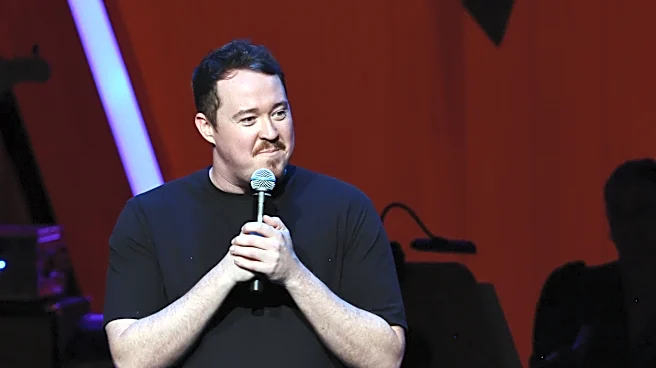
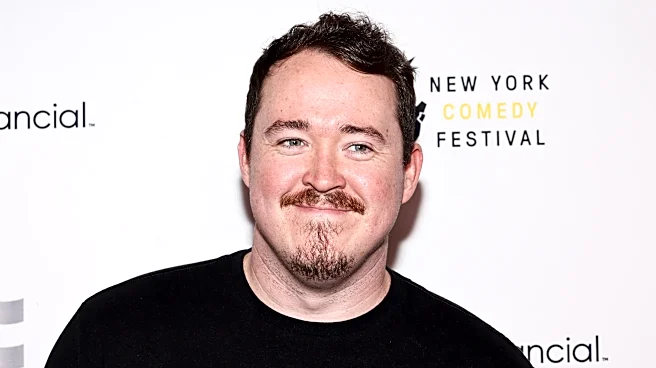
Comedian Shane Gillis is under renewed scrutiny after his former girlfriend, Grace Brassel, published a viral essay detailing their year-long relationship, which she described as emotionally challenging. Brassel's piece, published in The Cut, recounts
her experience of relocating to be with Gillis and becoming his 'stay-at-home girlfriend,' leading to unhappiness and daily tears. Gillis's representative responded to Newsweek with a brief statement acknowledging the breakup and wishing Brassel well. This development follows Gillis's recent controversial monologue on SNL in October, where he made comments about women's attire, and his past removal from SNL in 2019 for using offensive language. Brassel's essay also references a podcast episode where Gillis discussed his views on women's Halloween costumes, suggesting partners should 'cover it up a little,' a sentiment she claims led to a personal argument during their relationship.
Why It's Important?
This situation highlights the ongoing public discourse surrounding comedians and the boundaries of humor, particularly concerning gender and relationships. For Gillis, who has a history of controversy, Brassel's essay and the subsequent online circulation of his past comments could further impact his public image and career trajectory. The widespread support for Brassel on social media, alongside defenses of Gillis, underscores a societal divide on what constitutes acceptable comedic content and personal conduct. This event could influence how public figures, especially those in entertainment, navigate their personal lives and public personas, particularly in the age of viral content and increased accountability. It also brings to the forefront the challenges individuals face in speaking out about past relationships with public figures.
What's Next?
The viral nature of Brassel's essay and the renewed attention on Gillis's past comments suggest that public discussion and debate will likely continue across social media platforms. While Gillis's representative has issued a brief statement, further public commentary or clarification from Gillis himself could be anticipated, though not guaranteed. The incident may prompt ongoing conversations within the entertainment industry about the responsibilities of comedians and the impact of their words, both on and off stage. For Brassel, the essay has garnered significant support, potentially empowering others to share similar experiences. The long-term impact on Gillis's career will depend on how he and his team manage the ongoing public perception and whether this controversy affects his future opportunities in comedy and media.
Beyond the Headlines
Beyond the immediate controversy, this event touches upon deeper societal issues regarding gender dynamics, emotional manipulation in relationships, and the power imbalances that can exist when one partner is a public figure. Brassel's account of seeking therapy to 'deprogram myself from the relationship' speaks to the profound psychological impact such experiences can have. The public's reaction, split between support for Brassel and defense of Gillis, reflects broader cultural tensions around victim-blaming, freedom of speech, and accountability. It also raises questions about the role of social media in amplifying personal narratives and shaping public opinion, potentially leading to both greater transparency and increased polarization in discussions about personal conduct and public figures.