



What's Happening?
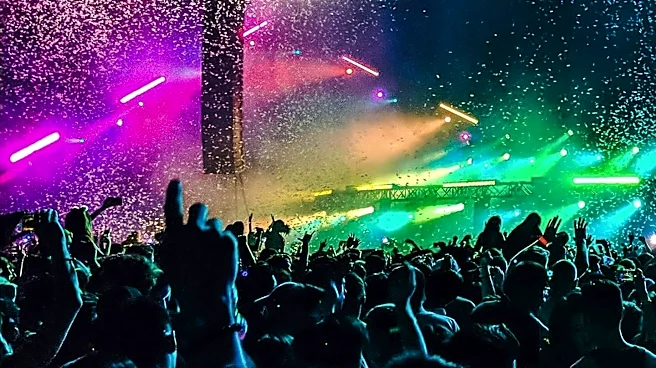
Midlife women are increasingly turning to rave culture and electronic dance music (EDM) events as a means to improve their mental well-being and find community. A 2026 study in the journal Women’s Health and a 2025 study in Psychology of Music, which
surveyed 136 women aged 40 to 65, indicate that raving serves as an outlet for stress, a source of connection, and a space to escape daily demands. Participants like Karen Manson, 65, and Samantha Hillery, 43, describe feeling uninhibited, gaining confidence, and reconnecting with a playful part of themselves. Alice O’Grady, PhD, a professor of applied performance at the University of Leeds and co-author of the Psychology of Music study, notes that the EDM scene is no longer exclusively youth-oriented and has become more socially acceptable for older women. The physical act of dancing to loud, immersive music helps interrupt rumination and creates mental clarity, as explained by psychotherapist Madison Liddle, LMHC.
Why It's Important?
This trend highlights a significant shift in societal perceptions of aging and wellness, particularly for women. Traditionally, wellness advice for midlife often emphasizes routine and moderation, but these women are finding genuine self-care in activities that challenge these norms. The rave scene provides a unique environment for collective effervescence, fostering social connection and a sense of belonging, which are crucial determinants of health as people age. This movement challenges the notion that older women should 'disappear' or become 'invisible,' offering a space for self-expression and identity reinvention. The mental health benefits, including easing anxiety, depression, and low moods, demonstrate the therapeutic potential of immersive music and dance, providing an alternative or complementary approach to conventional mental health strategies. The increasing acceptance of older individuals in spaces traditionally associated with youth also reflects broader cultural changes regarding ageism and personal freedom.
What's Next?
As more midlife women discover the mental health and social benefits of rave culture, it is possible that the EDM scene will continue to evolve to be more inclusive and accessible to older demographics. This could lead to an increase in events tailored to this group, such as morning, sober parties, as noted by O’Grady. The growing focus on mental health and community may encourage more women to seek out similar experiences that prioritize joy and connection. Further research into the specific psychological and physiological impacts of rave participation on midlife individuals could provide deeper insights and potentially inform new wellness practices. The success of this trend may also inspire other industries to reconsider age-specific marketing and product development, recognizing the diverse interests and needs of an aging population.
Beyond the Headlines
Beyond the immediate mental health benefits, this phenomenon touches upon deeper cultural and sociological implications. It challenges ageist stereotypes by demonstrating that vitality, spontaneity, and a desire for vibrant social engagement are not exclusive to youth. The act of dressing up in sequins and staying out late, as described by participants, represents a reclamation of personal agency and a rejection of prescribed roles for older women. This movement underscores the importance of finding spaces where individuals can shed societal expectations and embrace authentic self-expression. It also highlights the power of music and collective experiences to create profound emotional and psychological shifts, offering a form of 'spiritual experience' for some, even without the use of recreational drugs. This trend suggests a broader societal yearning for genuine connection and uninhibited joy in an increasingly optimized and scheduled world.