






What's Happening?
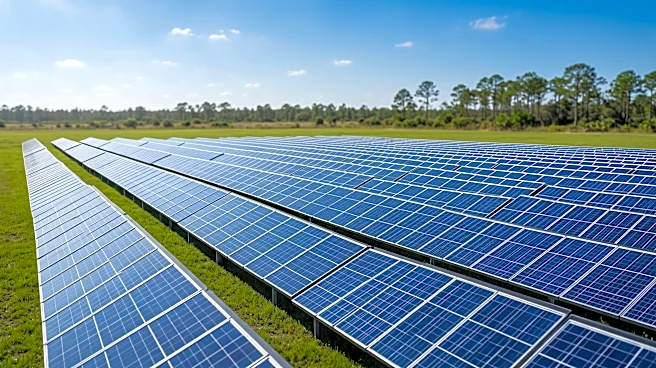
Florida Power & Light (FPL) has established a tiered system for interconnecting solar systems to the electrical grid, with Tier 3 specifically addressing large commercial systems, agricultural facilities, and estate properties exceeding 100 kW-AC. This
tier involves a rigorous interconnection process, including detailed grid studies, substantial liability insurance requirements, and strict safety guidelines. Unlike smaller systems, Tier 3 projects require custom engineering study fees, starting with a $1,000 non-refundable application fee. Further deposits are needed for System Impact Studies ($2,000) and Facilities Studies ($2,000-$5,000), which assess potential grid conflicts and necessary upgrades. FPL mandates physical equipment for real-time control and monitoring, such as manual disconnect switches, telemetry for systems near or exceeding 1 MW, and IEEE 1547 compliant smart inverters. Additionally, a general liability insurance policy of at least $2,000,000, naming FPL as an additional insured, is required and must be maintained for the duration of the interconnection agreement.
Why It's Important?
The FPL Tier 3 interconnection rules are crucial for ensuring grid stability and safety as large-scale solar installations become more prevalent. The stringent requirements, including detailed studies and high insurance coverage, mitigate risks associated with feeding significant amounts of power back into the grid. While FPL does not offer direct cash rebates for Tier 3 solar arrays, these large systems are eligible for substantial federal tax incentives. These include the 30% Federal Investment Tax Credit (ITC) under Section 48 of the Internal Revenue Code, an additional 10% credit for domestic content, and another 10% for projects in designated energy communities. Commercial entities can also benefit from MACRS Accelerated Depreciation and USDA REAP Grants for agricultural operations, significantly offsetting the higher costs associated with Tier 3 compliance and installation. These incentives are vital for making large-scale solar projects financially viable and encouraging renewable energy adoption in the commercial and agricultural sectors.
What's Next?
Entities planning large-scale solar installations in FPL's service area must navigate the complex Tier 3 interconnection process. This involves submitting a pre-application request, a formal interconnection application with detailed designs, and undergoing System Impact and Facilities Studies. Once studies are complete and an Interconnection Agreement is executed, physical construction and any necessary grid upgrades will proceed. The final steps include witness testing and commissioning by FPL, followed by the installation of a bi-directional net meter and the issuance of a Permission to Operate (PTO). Project developers and owners should ensure they meet all technical, insurance, and financial requirements to avoid delays. The availability of federal tax credits and grants will continue to play a critical role in the economic feasibility of these projects, driving further investment in large-scale solar energy.
Beyond the Headlines
The detailed and rigorous FPL Tier 3 interconnection process reflects the evolving challenges and complexities of integrating large-scale renewable energy into existing grid infrastructure. As solar technology advances and adoption increases, utilities are tasked with balancing the promotion of clean energy with the imperative of maintaining grid reliability and safety. The federal incentives, such as the ITC and bonus credits, underscore a national commitment to accelerating the transition to renewable energy, recognizing the significant capital investment required for such projects. This interplay between utility regulations and federal incentives shapes the landscape for renewable energy development, influencing investment decisions and the pace of energy transition. The emphasis on domestic content and energy communities also highlights broader policy goals of fostering local economic growth and supporting regions historically dependent on fossil fuels.